What are the 5 key principles of food hygiene? Everyone has practised some form of food hygiene, even if they may not have noticed it. If you've worked in a kitchen, packed a lunch, or prepared a meal for your family, you have done it. However, when you prepare food for others—especially in workplaces, schools, hospitals, or care homes—you are legally and morally bound to ensure that you observe good hygiene.
Every year, thousands of people across the UK become ill from legally preventable food hygiene-related illnesses. The Food Standards Agency (FSA) reports that most food hygiene outbreaks result from poorly handled food and untrained staff, often due to a lack of proper training in food hygiene practices.
The World Health Organisation (WHO) has presented the world with five food hygiene principles to ensure that everyone, even home cooks, can prepare food safely, regardless of the stage of preparation. Among these key principles are Keep clean and Separate raw and cooked food, which help prevent contamination and reduce the risk of foodborne illness.
In this guide, you will learn the various principles of food hygiene, why they are important for public health, and how these principles can be practised in your kitchen or workplace to eliminate the risk of contamination and safeguard the people you serve.
Quick Overview
When you prepare or serve food, whether at home, in a café, or in a professional kitchen, following key food hygiene principles is essential. You’ll learn why these principles prevent illness, ensure safety, maintain quality, and keep you legally compliant.
Whether you’re studying for a food hygiene certificate or simply cooking at home, this guide walks you through:
✅ Keeping hands, surfaces, and utensils clean to prevent contamination.
✅ Separating raw and cooked foods to avoid cross-contamination.
✅ Cooking food thoroughly to destroy harmful bacteria.
✅ Using safe water and high-quality raw materials.
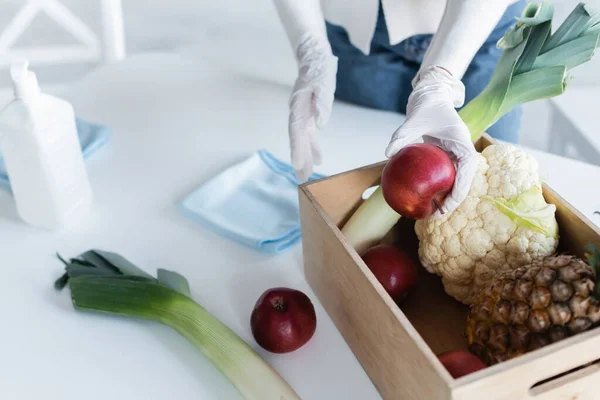
Learning these principles will change the way you think about food, whether you are working towards your Level 2 Food Hygiene Certificate or simply want to cook safely at home.
The Importance of Food Hygiene
What are the 5 key principles of food hygiene? Hand washing, glove wearing, and the principle to Keep clean are simple yet essential practices, but food hygiene also involves more advanced concepts, such as understanding the science of contamination. Viruses, bacteria, parasites, and harmful chemicals can all render food unsafe to eat. Food hygiene businesses build their operations around the principles of the Food Safety Act 1990 or the Food Hygiene (England) Regulations 2013 to ensure safe food practices.
As a result, these businesses protect their patrons from illness, while also safeguarding their reputation and livelihood. The consequences of poor food hygiene can go even further, potentially resulting in the loss of human life.
The Threats of Poor Food Hygiene
When food hygiene is ignored, threats can include:
- Unsafe food storage practices at incorrect temperatures, which can lead to the rapid growth of dangerous bacteria such as Salmonella, Listeria, or E. coli.
- Cross-contamination, which can occur when raw and cooked food share preparation surfaces, utensils, or storage areas.
- Under-cooking food, which can leave harmful microorganisms alive.
- Tainted water or food, as well as exposure to harmful chemicals or microorganisms, which can cause severe illness.
Some people may only experience mild food poisoning, but for others, infections may require hospitalisation. This is especially true for children, the elderly, and the immunocompromised.
The WHO’s Five Key Principles of Food Hygiene
To respond to these global threats, the World Health Organisation issued a universal set of food safety guidelines. What are the 5 key principles of food hygiene? They are outlined in the Five Keys to Safer Food, which are intended for all settings—whether it is a street-food stall in Dhaka, a care-home kitchen in Birmingham, or even your home.
The five principles are:
- Keep clean
- Separate raw and cooked food
- Cook thoroughly
- Keep food at safe temperatures
- Use safe water and raw materials
While each key is straightforward, together they form a comprehensive system to eliminate contamination at every possible point.
Principle 1: Keep Clean
Cleanliness — no matter how fresh or high-quality your ingredients are, food can become unsafe the moment it comes into contact with unwashed hands, dirty utensils, or contaminated surfaces.
The first key principle — “Keep Clean” — focuses on stopping harmful bacteria and viruses before they ever reach your food.
What are the 5 key principles of food hygiene? The first is Keep Clean, and the second is Separate raw and cooked food. Together, these principles form the foundation for safe food handling.
Why Cleanliness Matters
Every surface we touch — from chopping boards to kitchen cloths — can harbour bacteria invisible to the naked eye. The WHO and the UK’s Food Standards Agency (FSA) emphasise that good hygiene begins long before cooking starts. Proper cleaning doesn’t just make things look tidy; it eliminates the microorganisms that cause foodborne illnesses.
Key Practices to Stay Clean
- Wash your hands thoroughly and often.
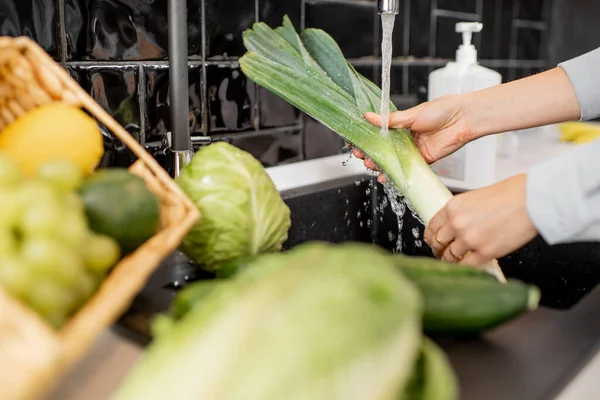
- Use warm water and soap before handling food, after touching raw ingredients, using the toilet, or handling waste.
- Dry your hands with disposable paper towels or air dryers — never on aprons or dishcloths.
- Clean and sanitise all surfaces and equipment. Worktops, knives, and chopping boards should be washed after every use.
- Use antibacterial sprays or hot soapy water for cleaning, followed by a food-safe disinfectant.
- Keep pests and dirt away from all kitchen areas.
- Make sure waste bins are covered and emptied regularly.
- Store cleaning products and supplies away from food to avoid chemical contamination.
- To prevent flies and insects, close windows or fit screens.
- Wear clean clothes and protective covers. In a professional kitchen, aprons, gloves, and hairnets are standard, and soiled clothing should be changed immediately.
Real-Life Example
Consider a care-home kitchen in Manchester preparing lunch for elderly residents. Imagine the risk posed by a single unwashed chopping board used for both vegetables and chicken — a direct violation of the principle to Separate raw and cooked food — potentially transferring Campylobacter bacteria. Fortunately, this risk can be completely eliminated with regular handwashing and surface cleaning.
Melinda, that’s how powerful — and essential — the principle of cleanliness really is.
Principle 2: Separate Raw and Cooked Food
The second key principle is “Separate Raw and Cooked Food”. This is essential to avoid cross-contamination, where harmful bacteria on raw foods come into contact with ready-to-eat food, utensils, or surfaces.
What are the 5 key principles of food hygiene? The first is Keep Clean, the second is Separate Raw and Cooked Food, and the third is Cook Thoroughly. Together, these principles form the foundation of safe food handling and help prevent foodborne illnesses.
Understanding Cross-Contamination
In the UK, cross-contamination is one of the primary reasons people become ill from the food they eat. It can be caused by:
- Using the same knife for raw meat and cooked vegetables
- Raw meat juices touching salad ingredients
- Storing raw food above cooked food in the refrigerator
- Touching raw chicken and then touching bread or cutlery
Even the tiniest amount of raw meat juice contains enough bacteria, such as E. coli or Salmonella, to make people seriously ill.
Best Practices for Safe Separation
- Always use different utensils for raw and cooked food.
- Colour-code chopping boards: red for raw meat, green for vegetables, blue for fish, and yellow for poultry.
- In a professional kitchen, mark utensils and knives clearly.
- Refrigerate food properly by storing raw meat, fish, and poultry on the bottom shelf, so nothing drips onto cooked or ready-to-eat food.
- Store cooked and perishable food in sealed containers.
- Do not reuse old marinades or plates that held raw food.
- Never serve raw food in dishes or sauces that have not been cleaned.
- Handle raw items first when preparing a meal, before dealing with cooked or ready-to-eat items.
- When grocery shopping, keep raw meat separate from ready-to-eat items in your cart and bags.
Everyday Example
I worked at a café in London, and one day a chef placed cooked bacon on a plate that raw slices had been resting on. While the bacon had been cooked and looked safe to eat, the plate still had raw pork bacteria on it. This small error could have caused serious food poisoning for the customer.
Proper separation of raw and cooked food is one of the most effective and basic hygiene habits a person can learn, complementing other key practices such as Cook Thoroughly.
Principle 3: Cook Thoroughly
Cooking is also a science, and the third key principle, “Cook Thoroughly”, must be followed to ensure that the heat applied to food kills harmful microorganisms, especially in meat, poultry, eggs, and seafood.
What are the 5 key principles of food hygiene? The first is Keep Clean, the second is Separate Raw and Cooked Food, and the third is Cook Thoroughly. These principles work together to prevent foodborne illness and keep food safe at every stage of preparation.
When food is undercooked, harmful bacteria such as E. coli, Salmonella, and Listeria monocytogenes can survive and multiply, leading to food poisoning, hospitalisation, or severe long-term health issues.
Importance of Cooking and Core Temperature
Pathogens are dangerous bacteria, and raw or partially cooked food is a common source. To guarantee food safety, a food’s recommended “internal temperature” must be reached. The UK Food Standards Agency (FSA) recommends that most foods should reach a core temperature of 75 °C for at least two minutes in the centre.
When this core temperature is achieved, the food is safe for consumption, as potential or existing bacteria are killed. This also applies when reheating food: it must reach 75 °C in the centre, not just be warm on the outside.
Cooking Temperature Safety (Guidelines UK)
| Food Type | Minimum Core Temperature | Guidance |
| Poultry (chicken, turkey, duck) | 75 °C | Check juices run clear, no pink meat. |
| Minced meat, burgers, sausages | 75 °C | Ensure even colour inside, no red spots. |
| Fish | 70 °C | Flesh should be opaque and flake easily. |
| Eggs and egg dishes | 70 °C | Yolk and white both firm. |
| Reheated leftovers | 75 °C | Reheat only once for safety. |
Cooking Safely
- Use a food thermometer — never rely on the appearance of food to judge whether it is fully cooked.
- Use large spoons or turn the food to ensure even heat distribution.
- Fully cook frozen items and never partially cook them for later.
- When cooking larger meals, it is essential to make sure the heat reaches the centre of the food properly.
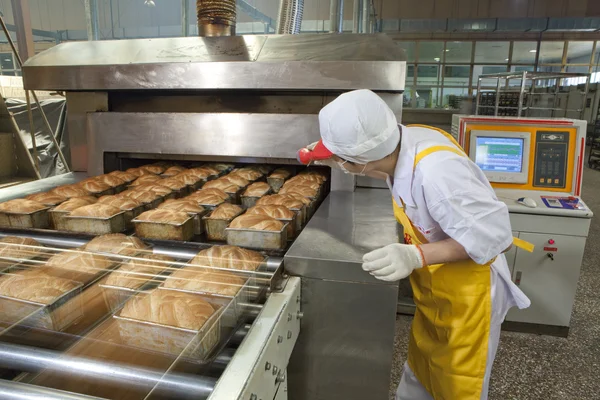
What are the 5 key principles of food hygiene? One of the most critical is Cook Thoroughly, which ensures that harmful bacteria are destroyed during the cooking process.
Real-Life Example
At a small takeaway in Birmingham, an employee reheated chicken curry from the night before but did not stir it. The outer portion reached 80 °C, but the centre was only 50 °C. This created a perfect breeding ground for harmful bacteria. A few hours later, the employee received a complaint from a customer who suffered food poisoning. This could have been entirely prevented by using a food thermometer.
Food poisoning can have serious and permanent health consequences and is not a risk worth taking.
Principle 4: Keep Food at Safe Temperatures
Temperature control is an important part of food safety. It is crucial to prevent safely cooked food from becoming spoiled by letting it sit for too long at room temperature.
What are the 5 key principles of food hygiene? The fourth principle is Keep Food at Safe Temperatures, which ensures that harmful bacteria do not multiply and cause foodborne illness. The other principles include Keep Clean, Separate Raw and Cooked Food, Cook Thoroughly, and Use Safe Water and Raw Materials.
The Danger Zone
Bacteria grow best at temperatures between 5 °C and 63 °C. This is called the danger zone. Pathogens can multiply by 1,000,000 in just eight hours if food is left within this temperature range.
To stay safe, cold foods should be kept at 5 °C or lower, and hot foods should be kept at 63 °C or higher.
Cold Storage Tips
Here are some important tips for storing food in the refrigerator:
- Always refrigerate meat, dairy, and cooked food within two hours.
- Do not overfill the refrigerator — cold air must circulate freely.
- Label leftovers with the date and eat them within 48 hours; otherwise, freeze them.
- Defrost food safely in the refrigerator, not on the counter.
Hot Holding and Reheating
In commercial or care-home kitchens, food that is ready to be served and hot must be kept above 63 °C. This can be achieved using bain-maries, insulated containers, or heat lamps.
When reheating food, quickly heat it to 75 °C or above and stir thoroughly to distribute the heat evenly. This prevents thick foods like sauces or stews from burning on the bottom. Once reheated, do not reheat the food again.
Everyday Example
Consider a buffet or school canteen where food is displayed for hours. Without proper hot-holding equipment, items like rice or curry quickly fall into the danger zone. This is a common cause of outbreaks of Bacillus cereus, a bacterium that thrives in warm, moist foods.
The same applies to food left at home. Leftovers that have cooled and are left out overnight are not safe to eat, even if they "look good."
💡 Quick Checklist
✅ Store chilled food at ≤ 5 °C.
✅ Keep hot food at ≥ 63 °C.
✅ Avoid the 5–63 °C danger zone.
✅ Refrigerate or freeze leftovers within two hours.
Good temperature control helps you Keep Food at Safe Temperatures, maintain quality, and, most importantly, protect the health of those you serve. Always remember to Use Safe Water and Raw Materials when preparing and storing food to further reduce the risk of contamination.
Principle 5: Use Safe Water and Raw Materials
The last and fifth principle, “Use Safe Water and Raw Materials,” might seem simple, but it is fundamental to all the other principles. No matter how sanitised your kitchen is or how carefully you prepare your meals, if the water is unsafe or the food is contaminated, your efforts are wasted.
What are the 5 key principles of food hygiene? They include Keep Clean, Separate Raw and Cooked Food, Cook Thoroughly, Keep Food at Safe Temperatures, and Use Safe Water and Raw Materials.
Why Safe Water Matters
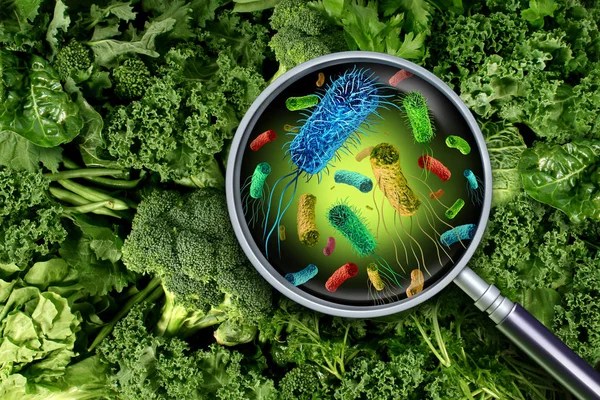
Water is essential at every step of food preparation: washing vegetables, cleaning tools, cooking, and even freezing food. If water is contaminated with bacteria, chemicals, or parasites, it can quickly cause outbreaks of illness.
Although mains water in the UK is generally safe, there are situations that pose risks, such as private wells, plumbing repairs, or outdoor events using water tanks.
To ensure safety:
- Only use potable (drinkable) water for cooking, cleaning, and food preparation.
- If water quality is uncertain, boil it for at least one minute or use bottled water.
- Regularly replace water filters and clean ice machines to prevent bacterial build-up.
- In commercial settings, unattended water lines and tanks can form bacterial biofilms, contaminating every drop.
Selecting Safe and Quality Raw Materials
Raw materials also need to be safe, as poor-quality or spoiled ingredients can introduce pathogens and toxins even before cooking.
Key points for safe food purchasing:
- Buy from reputable suppliers.
- Ensure suppliers maintain good hygiene and temperature control during transport.
- For businesses, request hygiene certificates or audits from suppliers.
- Check expiry dates and packaging. Avoid items with damaged, bloated, or leaking packaging.
- Inspect produce carefully. Wash fruits and vegetables thoroughly under running water to remove dirt or pesticide residue; peel or cook when appropriate.
- Store food correctly. Keep raw materials at appropriate temperatures.
- Rotate stock using the FIFO (First In, First Out) system to ensure older items are used first.
Common Sources of Contamination in Raw Materials
Unsafe ingredients can become contaminated in several ways:
- Microbiological contamination — bacteria from soil, animals, or handling.
- Chemical contamination — pesticide residues or cleaning product traces.
- Physical contamination — foreign objects such as glass, metal, or plastic fragments.
By maintaining strict quality control and following the principle to Use Safe Water and Raw Materials, and also ensuring you Keep Food at Safe Temperatures, you eliminate starting points for contamination that can lead to foodborne illnesses.
Why All Five Principles Are Important
Each of the five principles is effective on its own, but they are designed to function together as a complete safety net. You may have a clean kitchen, but it doesn’t mean anything if your food is not stored correctly. Even food that is perfectly cooked becomes dangerous if contaminated water and utensils are used during preparation.
What are the 5 key principles of food hygiene? They include Keep Clean, Separate Raw and Cooked Food, Cook Thoroughly, Keep Food at Safe Temperatures, and Use Safe Water and Raw Materials. When these principles are adhered to, they form a sequential safety chain that prevents harmful bacteria and viruses from ever reaching your food.
As a quick reminder, here’s a summary of the five principles:
| Principle | Purpose | Everyday Example |
| Keep Clean | Prevent the spread of germs during food preparation. | Washing hands and surfaces frequently. |
| Separate Raw and Cooked Food | Prevent cross-contamination. | Use different chopping boards for raw chicken and vegetables. |
| Cook Thoroughly | Destroy harmful microorganisms. | Ensuring chicken reaches 75 °C internally. |
| Keep Food at Safe Temperatures | Prevent bacteria from growing. | Cover and refrigerate leftovers within 2 hours. |
| Use Safe Water and Raw Materials | Prevent contamination from the source. | Wash vegetables with clean water and check for expired products. |
These five steps form the basis of food hygiene training worldwide, from the WHO’s “Five Keys to Safer Food” initiative to UK courses provided by the Chartered Institute of Environmental Health (CIEH) and Highfield Qualifications.
Everyday Benefits of Following the 5 Principles
Following these principles has practical benefits beyond preventing illness:
- Healthier meals – Provides food free from harmful bacteria and parasites.
- Better taste and quality – Fresh, safe ingredients improve flavour and quality.
- Reduced waste – Proper handling and storage minimise spoilage and food waste.
- Legal protection – Helps businesses comply with UK hygiene laws and avoid penalties.
- Peace of mind – Ensures safe food is served, giving confidence to both preparers and consumers.
The WHO’s “Five Keys to Safer Food” helps protect the health of millions who prepare and consume food every day.

By following these principles at home or in the workplace, you are not just keeping yourself and your family safe; you are contributing to a global public health effort. In the UK, this aligns with the FSA’s goals of reducing foodborne illnesses, building confidence in the food system, and guaranteeing safe practices for everyone, including restaurant staff and care-home workers.
In Conclusion: Everyone Is Responsible For Food Hygiene
Food hygiene is straightforward. It’s the little yet continual practices — like temperature control, food separation, and regular hand washing — that ward off severe issues. What are the 5 key principles of food hygiene? They guide these practices and help ensure every meal is safe. These five principles will keep you safe and legally compliant, whether you're a student pursuing a food hygiene certificate, a café employee, or simply making sandwiches at home.
Every meal is a story, and food hygiene allows you to keep it safe.
Remember the four core rules of food safety the next time you prepare a meal:
- Keep it clean.
- Keep it separate.
- Keep it hot or cold. (Keep food at safe temperatures.)
- Keep it safe.
Food safety is essential, not optional.