What are the 4 C’s of food safety? Food safety goes beyond keeping a kitchen clean or preparing food correctly. There’s a simple but powerful framework behind every good hygiene practice in the UK food industry — the 4 C’s of food safety. These principles form the basis of the work carried out by the Food Standards Agency (FSA), which protects your meals from becoming a source of foodborne illness. They serve to safeguard your health and safety, ensuring every meal you eat is safe.
If you’ve ever wondered, “What do the 4 C's stand for in food?”, the answer is simple, but the implications extend far beyond the basics. The 4 C's are: Cleaning, Cooking, Chilling, and Cross-contamination.
Each of these areas represents a potential food safety risk, and the way they are managed can determine whether a meal is safe to eat or whether a person might suffer a serious case of food poisoning.
Quick Overview
Understanding and applying the 4 C’s of food safety—Cleaning, Cooking, Chilling, and Cross-contamination—is essential for keeping food safe in homes, schools, and professional kitchens. These simple principles prevent foodborne illnesses, protect your family, and maintain hygiene standards.
Whether you’re running a food business or cooking at home, this guide covers:
✅ Keeping hands, surfaces, and utensils clean to remove harmful bacteria.
✅ Cooking food to safe internal temperatures to kill pathogens.
✅ Chilling and storing food correctly to slow bacterial growth.
✅ Preventing cross-contamination by separating raw and cooked foods.
This blog will define each "C", explain its importance, and provide guidance on how to implement these principles both in professional kitchens and at home. Whether you operate a restaurant, are studying catering, or simply want to protect your family, these four pillars will help you handle food to a 5-star standard.
Why the 4 C’s Matter in Food Safety
What are the 4 C’s of food safety? In the UK, thousands of people suffer from foodborne illnesses each year. Most of these cases can be attributed to poor hygiene, unsafe cooking, and improper food storage, according to the Food Standards Agency (FSA)—all of which boil down to the 4 C’s.
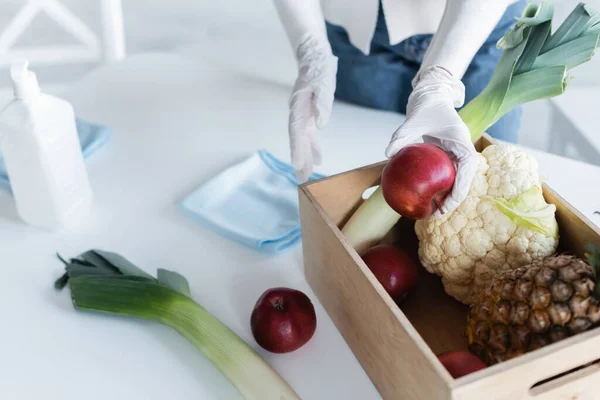
The 4 C food safety system is designed to make food safety applicable to the everyday cook, without compromising professional standards. It simplifies complex hygiene protocols into four universal behaviours: keep everything clean, cook food thoroughly, store it at safe temperatures, and stop the spread of germs.
If you’ve ever asked, “What do the 4 C's stand for in food?”, this simple framework provides the answer and the practical steps needed to prevent contamination. The magic of the 4 C's lies in their synergy. You can clean all you want, but it won't help if the food is undercooked. If the food is chilling in a contaminated fridge, all the chilling in the world won’t make it safe. These four pillars of food safety help contain the major foodborne diseases when applied correctly.
Food safety law and professional training in the UK are built around the 4 C's. They are essential practices for achieving a 5-star hygiene rating, along with safe food management, demonstrating that a business has a solid grasp of all food safety theory.
The First C: Cleaning
Cleaning is one of the pillars of food hygiene—and the easiest to implement. Keeping your hands, utensils, and surfaces clean is central to safe food handling.
Using abrasive utensils and effective cleaning techniques helps remove germs such as E. coli, Salmonella, and Listeria, which can survive for hours on equipment. Just one contaminated knife can turn otherwise clean food unsafe. Deadly microorganisms can transfer to clean food almost instantly, which is why the FSA takes cleaning so seriously.
In the UK, both home cooks and food businesses must follow specific cleaning guidelines throughout the food preparation process—before, during, and after cooking. This includes washing hands with soap and warm water, disinfecting surfaces, and cleaning utensils and equipment after every use.
Cleaning is not just about making surfaces look spotless. It's about removing bacteria and preventing their return. A well-maintained kitchen can appear immaculate while also controlling the unseen dangers of poor hygiene.
Good core cleaning habits support every other part of food safety. Once your environment and tools are clean, you eliminate one of the biggest risk factors—contamination at the source.
The Second C: Cooking
What are the 4 C’s of food safety? Cooking is one of the most critical stages in transforming raw ingredients into a delicious dish—and also a stage where food safety is paramount. While cleaning removes bacteria from surfaces and utensils, cooking eliminates bacteria that may still be present in the food.
If done correctly, cooking is one of the most valuable tools for preventing foodborne illnesses. Undercooked meat, improperly reheated leftovers, or unmonitored core temperatures can allow deadly microorganisms such as E. coli, Salmonella, and Campylobacter to survive.
The UK Food Standards Agency (FSA) provides clear guidance for safe cooking. It recommends that food be cooked to an internal temperature of 75°C for 2 minutes, which kills bacteria not only on the food’s surface but also in its centre.
While reaching the recommended temperature is essential, it does not fully account for the dynamics of food. Large joints of meat, poultry, or casseroles may require longer cooking times. If not careful, the outside may appear cooked while the inside remains raw.
In Practice: Cooking Safely
When cooking meat, chicken or turkey is only safe to eat when the juices run clear and the meat is completely white, with no remaining pink areas. Minced meat products, like sausages or burgers, must also be cooked thoroughly, as bacteria are evenly distributed during the mincing process.
Leftovers should be reheated until steaming hot throughout and only reheated once. Repeated reheating and cooling increases the risk of bacterial growth.
It’s equally important to use clean utensils and serving dishes. Using the same spoon for raw and cooked food can reintroduce bacteria that heat has just eliminated.
The Science Behind Cooking and Safety
Bacteria thrive in warmth, but extreme heat kills them. Between 5°C and 63°C, known as the “danger zone,” bacteria multiply rapidly. Proper cooking ensures food exceeds this temperature range, killing harmful pathogens.
Even plant-based foods require careful cooking. Spores and toxins may be present in uncooked rice, beans, and some grains, and are only destroyed by heat. Bacillus cereus, a common food poisoning bacterium, can survive in uncooked rice or improperly reheated rice.
Thus, cooking is not only a culinary art but also a crucial public health safeguard. By cooking food correctly, you are not just preparing a dish—you are protecting yourself and others from serious illness.
If you’ve been wondering, “What do the 4 C's stand for in food?”, this stage clearly demonstrates the importance of the second C: Cooking.
The Third C: Chilling
What are the 4 C’s of food safety? Chilling is a critical part of keeping food safe. While cooking may kill bacteria, chilling prevents them from growing. Chilling is the most passive of the four C’s, yet it plays a vital role in food safety. The Food Standards Agency (FSA) identifies chilling as one of the first lines of defence against foodborne illness. Poorly controlled temperatures allow bacteria to multiply rapidly—often doubling in number every 20 minutes!
Why Chilling Matters
The key rule is to keep food out of the “danger zone” between 5°C and 63°C, which is the optimal growth range for Listeria monocytogenes, E. coli, and Salmonella. Bacteria will grow below 5°C, but much more slowly, helping to keep food safe for longer periods.
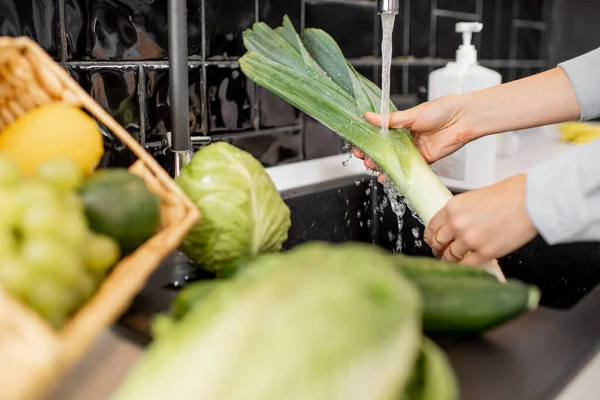
Chilling also preserves the taste, colour, and nutrients of food. Keeping food cold helps maintain the freshness of milk, meat, fruits, and vegetables. Every fridge in a UK restaurant or household operates on the principle: “keep it cold, keep it safe.”
Safe Chilling in Practice
The FSA recommends keeping your fridge at 5°C and your freezer at –18°C or lower. To maintain these temperatures:
- Do not overload your fridge – cold air needs space to circulate.
- Keep raw meat and poultry on the bottom shelf – to avoid dripping onto ready-to-eat food.
- Cool cooked food quickly – within 90 minutes before putting it in the fridge.
- Divide large portions – into smaller containers so they cool evenly.
- Thaw food safely – defrost in the fridge, not at room temperature.
These simple habits make a significant difference. A casserole left to cool in the danger zone may look harmless, but it becomes unsafe to eat, even if reheated.
The Science of Cold Safety
Bacteria are living organisms that reproduce quickly in warm, moist, nutrient-rich environments. Lowering the temperature won’t kill them, but it slows their growth. This process, chilling, gives you enough time to prepare, transport, or serve food safely before bacteria become active again.
Professional kitchens track and monitor food temperatures daily. At home, a simple fridge thermometer can serve the same purpose, preventing spoilage and illness.
Chilling is the quieter hero of food safety—it provides a safety buffer between preparation and consumption. The hard work of cleaning and cooking should not go to waste, and proper chilling ensures it doesn’t.
The Fourth C: Cross-Contamination
What are the 4 C’s of food safety? If cleaning, cooking, and chilling are the pillars of food safety, then cross-contamination is the hidden danger that can undo them all. It is the transfer of harmful bacteria from one food item’s surface to another and is considered one of the most common causes of food poisoning in the UK.
Even if everything else is done correctly, food safety is compromised if raw chicken juice contacts a salad, or a cooked burger sits on the same plate as raw mince. These scenarios can spell disaster.
How Cross-Contamination Happens
Bacteria can travel in many ways, which is why cross-contamination occurs through:
- Hands that touch raw meat and then handle cooked food.
- Using the same knives, tongs, or chopping boards for different tasks.
- Reusing cloths, tea towels, or sponges without washing them properly.
- Improper storage, such as raw meat dripping onto ready-to-eat foods in the fridge.
Foods such as salads, bread, or fruit that do not require cooking are particularly high risk, as bacteria can be transferred directly to the body.
Preventing Cross-Contamination in Daily Practice
Preventing cross-contamination is straightforward: awareness and separation. Raw and cooked foods must be kept apart at all stages—shopping, storing, preparing, and serving. Use separate chopping boards and utensils, wash and dry your hands after handling raw foods, and sanitise surfaces between tasks.
These habits can be applied in home kitchens, even if space is limited. Use a specific chopping board for raw meat, store ready-to-eat foods on higher shelves, and use paper towels or clean cloths for drying hands instead of shared tea towels.
In professional kitchens, colour-coded systems are common: red for raw meat, green for vegetables, and blue for fish. These visual cues reduce mistakes during busy periods and reinforce safe practices for staff. When it comes to food hygiene ratings, proper management of cross-contamination can be the difference between a 4-star and a 5-star rating. Regulators pay close attention to how effectively separation is applied at each stage of food handling.
By understanding what are the 4 C's of food safety, cross-contamination emerges as a key factor in maintaining the safety of every meal.
How the 4 C's Work Together
All 4 C’s – Cleaning, Cooking, Chilling, and Cross-contamination – are essential, but it is how they work together that ensures proper food hygiene.
What are the 4 C’s of food safety? Cleaning removes germs, cooking kills them, and chilling slows their growth, which forms the essence of food safety. Cross-contamination poses the greatest risk, which is why it is prioritised in every kitchen.
All four pillars together guarantee the safety of the food we eat.
If even one C is neglected, the system fails. A clean kitchen alone won’t protect you if the food isn’t cooked properly. Understanding what are the 4 C's of food safety shows why these four principles have become the backbone of hygiene standards across both professional and home kitchens.
Why Understanding the 4 C’s Matters
The 4 C’s are simple to understand and easy to follow. You do not need to be a professional chef to implement them. These principles are relevant everywhere—from school canteens to home kitchens.
What are the 4 C’s of food safety? For food businesses, consistently applying the 4 C’s helps build customer trust, maintain regulatory compliance, and achieve top food hygiene ratings. For individuals, understanding what are the 4 C's of food safety means protecting yourself and your family from illnesses that often go unnoticed until it is too late.
The 4 C’s of food safety are fundamental and could help prevent many of the food poisoning cases reported annually in the UK. The Food Standards Agency (FSA) supports this by investing in training programmes, online resources, and inspections to help people implement the 4 C’s effectively in their daily lives.
Final Thoughts: Making Food Safety a Habit, Not a Chore
The fear of unsafe food is often overstated. You can ensure food safety in your kitchen and at home when you understand and apply the 4 C’s.
Every time you wash your hands before cooking, ensure meat is steaming hot, store leftovers correctly, and keep raw food separate from ready-to-eat food, you are practising the 4 C’s. In doing so, you are contributing to a larger effort to keep food in the UK safe, clean, and healthy.
Next time someone asks, “What are the 4 C's of food safety?” you will know the answer—and you’ll also understand why it matters.
In food hygiene, it is not the complicated rules that keep people safe; it is the simple ones we follow every day. Understanding what are the 4 C’s of food safety shows that even basic habits have a powerful impact on health and safety.