How to Reheat Food Without a Microwave: The Ultimate UK Food Safety Guide
How to reheat food without a microwave is an essential....

How to reheat food without a microwave is an essential kitchen skill for anyone looking to safely and effectively warm up leftovers without relying on microwave technology. Microwaves offer convenience, but they are far from the only method available.
Quick Overview
Learning how to reheat food without a microwave is about choosing the right heating method based on the type of food while following strict food safety practices.
Whether you’re reheating food at home, at work, or on the go, this guide walks you through:
✅ Choosing the right reheating method for different foods
✅ Following UK Food Standards Agency (FSA) safe temperature guidelines
✅ Preventing foodborne illness by reheating food only once and storing leftovers correctly
Whether your microwave has broken down, you are reheating lunch at work, or you simply prefer the improved texture achieved through traditional cooking methods, understanding how to reheat food properly is highly valuable.
Reheating food is not just a matter of culinary preference; it is also a critical food safety consideration. If leftovers are not stored correctly and reheated thoroughly, there is a risk of harmful bacterial growth, which can lead to foodborne illness. For this reason, it is important to follow trusted food safety guidance, such as recommendations from the UK Food Standards Agency (FSA), to ensure food is reheated safely and evenly.
This comprehensive guide covers a range of reliable methods, from oven and stovetop techniques to air frying and steaming, along with safe reheating practices that help maintain both quality and safety.
Quick answer: The most effective ways to reheat food without a microwave include using an oven for baked dishes, a stovetop skillet for stir-fries, and an air fryer for crispy foods. Steaming methods are ideal for rice and seafood, while a hot water bath can gently warm delicate sauces and baby food.
When learning how to heat up food without a microwave, it is important to match the reheating method to the type of food. Using an unsuitable technique may result in uneven heating, dryness, or loss of texture. Below is a breakdown of the safest and most effective traditional reheating methods.
The Stovetop (Hob) Method
The stovetop is excellent when learning how to reheat food without a microwave for liquid-heavy foods like soups, stews, curries, and gravy. It allows for constant stirring, which prevents cold spots where bacteria can survive.
- Best for: Soups, chilli, curries, pasta in sauce, and baked beans.
- How to do it: Place your food in a saucepan over medium-low heat. Add a splash of water or stock to prevent it from drying out or sticking to the pan.
- Safety tip: Stir continuously until the food is bubbling and visibly piping hot throughout.
The Skillet (Frying Pan) Method
If you are learning how to warm up food without a microwave or oven, a skillet is an excellent option for solid foods. It restores texture beautifully, particularly for items that need a slightly crispy edge.
- Best for: Pizza slices, stir-fries, roasted vegetables, and meats.
- How to do it: Heat a small amount of oil or butter in a skillet over medium heat. Add your food, spreading it into a single layer for even heating.
- Safety tip: Cover the skillet with a lid for a few minutes. This traps steam, ensuring the heat penetrates the centre of the food rather than just burning the bottom.
The Oven or Toaster Oven
Ovens provide gentle, ambient heat and are one of the most reliable methods when learning how to reheat food without a microwave or oven alternatives are needed in different situations. They are especially effective for large, dense items or foods wrapped in pastry.
- Best for: Roast meats, casseroles, pies, quiches, and baked goods.
- How to do it: Preheat your oven to 160°C (140°C fan). Place the food in an ovenproof dish and cover it tightly with foil to lock in moisture.
- Safety tip: Remove the foil for the final five minutes if you want a crispy top. Always check the thickest part of the food with a food thermometer to ensure it has reached a safe internal temperature when following how to reheat food without a microwave guidance.
The Air Fryer
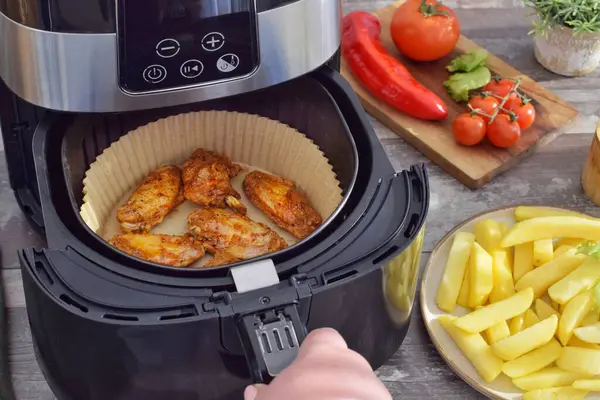
Many people ask how to reheat food without a microwave or oven, and the air fryer is a highly effective solution. Air fryers circulate intensely hot air, making them ideal for reviving foods that may have become soggy in the fridge.
- Best for: Chips, fried chicken, spring rolls, and battered fish.
- How to do it: Preheat the air fryer to 180°C. Place the food in the basket, ensuring it is not overcrowded.
- Safety tip: Heat for 3–5 minutes, shaking the basket halfway through. Always ensure the core is steaming hot before serving when applying how to reheat food without a microwave safety standards.
The Steaming Method and Steamer Basket
Steaming is a gentle, moist-heat method often recommended when considering how to reheat food without a microwave or stove in conventional ways. It uses hot vapour to warm food evenly without drying it out.
- Best for: Plain rice, steamed vegetables, dumplings, and fish.
- How to do it: Boil a small amount of water in a saucepan. Place a steamer basket above the water (ensuring the water does not touch the food), add your leftovers, and secure the lid.
- Safety tip: Steam for 5–10 minutes depending on portion size. Rice must be heated until it is steaming throughout when following how to reheat food without a microwave best practices.
The Hot Water Bath (Bain-Marie)
A hot water bath involves placing a heatproof bowl over a pan of simmering water. This indirect heat method is especially useful when learning how to reheat food without a microwave or stove direct heat risks curdling or splitting food.
- Best for: Hollandaise sauce, mashed potato, delicate dairy-based sauces, and baby food.
- How to do it: Fill a saucepan with an inch of water and bring it to a simmer. Place a heat-resistant bowl containing the food on top and stir frequently.
- Safety tip: Ensure no water enters the food. For baby food, always test the temperature on the inside of your wrist before serving, following how to reheat food without a microwave food safety precautions.

Quick Answer: Choosing the right method when learning how to reheat food without a microwave or oven alternatives are required depends entirely on the type of food. Ovens are best for dense meats and pastries, stovetops excel with soups and pasta, and air fryers are ideal for crispy foods. Matching the method to the food ensures safe, even reheating and reduces the risk of foodborne illness.
| Food Type | Microwave Alternative | Tips |
| Pizza | Skillet (Frying Pan) | Heat on medium. Add a few drops of water to the pan and cover with a lid to melt the cheese while crisping the base. |
| Soups & Stews | Stovetop (Hob) | Heat gently in a saucepan, stirring frequently to ensure even heating and prevent burning. |
| Roast Meat (Chicken, Beef) | Oven | Place in an oven-proof dish, add a splash of stock, and cover tightly with foil. Heat at 160°C until piping hot. |
| Rice | Steamer Basket | Steam over boiling water to rehydrate the grains. Ensure it is steaming vigorously to kill Bacillus cereus bacteria. |
| Pasta in Sauce | Stovetop (Hob) | Add a splash of water or milk to loosen the sauce. Heat gently in a saucepan and stir continuously. |
| Chips / Fried Food | Air Fryer | Heat at 180°C for 3–5 minutes. Do not overcrowd the basket. This restores the original crispy texture. |
| Delicate Sauces / Baby Food | Hot Water Bath | Place a heatproof bowl over simmering water. Stir constantly to prevent splitting or hot spots. |
Quick Answer: According to the UK Food Standards Agency (FSA), you should only reheat food once. Reheating food multiple times increases the risk of food poisoning, as bacteria can multiply each time the food cools down and warms up through the temperature danger zone.
One of the most critical questions regarding kitchen safety is: how many times can you reheat food? The guidance from the UK Food Standards Agency (FSA) and the NHS is incredibly strict on this matter.
You should only ever reheat leftovers once.
The Science Behind the “Once Only” Rule
Every time food is cooked, cooled, stored, and reheated, it passes through the temperature “Danger Zone”. In the UK, this is defined as temperatures between 8°C and 63°C, which is an important concept when understanding how to reheat food without a microwave safely.
Within this temperature range, harmful bacteria such as Campylobacter, Salmonella, and E. coli can multiply rapidly. Some bacteria can double in number every 20 minutes under these conditions. Repeatedly cooling and reheating food increases the risk of bacterial growth, particularly when considering how to warm up food without a microwave in everyday home or work environments.
Furthermore, certain bacteria such as Bacillus cereus (commonly associated with rice) can produce heat-resistant toxins. Even when food is reheated until piping hot, these toxins may remain active and cause foodborne illness, highlighting why proper handling is essential when learning how to reheat food without a microwave at work or at home.
Best Practices for Leftovers
If you have cooked a large batch of food, avoid reheating the entire portion if you only plan to eat part of it. Instead, divide leftovers into individual portions for safer handling when following how to heat up food without a microwave guidance.
When ready to eat, only remove the exact portion you intend to consume from the fridge. Reheat it once and discard any leftovers from that reheated portion. Never return reheated food to the fridge for a second round of warming, as this increases food safety risks associated with how to reheat food without a microwave practices.
Quick Answer: To reheat food safely, the UK Food Standards Agency advises that food must reach a core temperature of 70°C for two minutes, or 75°C for 30 seconds. It should be piping hot throughout. This is a critical safety standard when learning how to reheat food without a microwave, as it ensures harmful bacteria are destroyed.
Warming food is not sufficient; it must be thoroughly reheated. Whether you are using a stovetop, oven, or air fryer, the same fundamental hygiene and HACCP (Hazard Analysis and Critical Control Point) principles apply in both domestic kitchens and professional catering environments when applying how to warm up food without a microwave safely.
The “Piping Hot” Rule and Core Temperatures
In the UK, visual checks alone are not reliable for food safety. The Food Standards Agency (FSA) recommends that reheated food reaches a core temperature of 70°C for at least two minutes when following how to heat up food without a microwave practices.
Alternatively, 75°C for 30 seconds or 80°C for 6 seconds is also considered safe. A calibrated food thermometer should be used for accuracy, particularly when reheating dense foods such as roast meats or lasagne. Insert the probe into the thickest part of the food to ensure it has reached a safe internal temperature when practising how to reheat food without a microwave correctly.
Cooling Food Safely Before Refrigeration
Safe reheating begins immediately after cooking. Food should be cooled quickly and safely before refrigeration, which is an essential step in how to reheat food without a microwave at work and at home.
Placing hot food directly into a fridge can raise the appliance’s internal temperature, potentially affecting other stored foods. However, leaving food at room temperature for too long also increases bacterial growth. The NHS recommends cooling leftovers promptly and refrigerating them within one to two hours of cooking when following how to warm up food without a microwave safely.
Can You Reheat Food in a Slow Cooker?
Many people ask how to reheat food without a microwave and specifically wonder, can you reheat food in a slow cooker? The official food safety guidance is an absolute no for reheating purposes.
Slow cookers operate at low temperatures and take several hours to reach a safe internal heat. If cold leftovers are placed directly into a slow cooker, the food may remain in the Danger Zone (8°C to 63°C) for an extended period, which significantly increases the risk of bacterial growth. This is an important consideration when looking for the best way to reheat food without a microwave.
A slow cooker may be used to keep food warm, but only if the food has already been thoroughly reheated to at least 75°C using a safe method such as a stovetop or oven. This is essential for maintaining safe food handling standards when following how to warm up food without a microwave or stove practices.
Quick Answer: To reheat food at work without a microwave, safe planning is essential when learning how to warm up food without a microwave or oven. A thermal food flask preheated with boiling water is one of the safest and most effective methods. Alternatively, portable electric lunchboxes or a hot water bath using a heatproof container and boiling kettle water can provide practical desk-side solutions.
These methods are widely used in workplace food safety guidance and support the best way to reheat food without a microwave while maintaining safe temperatures.
Thermal Food Flasks
The simplest approach when considering how to reheat food without a microwave at work is to heat food at home before leaving.
Heat soup, stew, or pasta until it is piping hot (above 75°C) on a stovetop. Pre-warm a high-quality insulated flask by filling it with boiling water for several minutes. Empty and dry it, then add the hot food.
A well-insulated flask can safely keep food above 63°C for several hours, making it one of the most reliable options for how to warm up food without a microwave or stove in office environments.
Portable Electric Lunchboxes
For those exploring how to warm up food without a microwave or oven at work, portable electric lunchboxes offer a convenient solution. These devices plug into a standard socket or USB port and gradually warm food over 1–2 hours.
Always follow manufacturer instructions carefully and ensure food is steaming hot throughout before consumption, in line with safe how to reheat food without a microwave practices.
The Office Kettle Bain-Marie
If only a kettle and sink are available, you can use a safe hot water bath method when considering how to warm up food without a microwave or stove.
Place food in a tightly sealed, heatproof, watertight container. Submerge it in a bowl and pour freshly boiled kettle water around it. Replace the water if necessary to maintain heat for 10–15 minutes until the food is evenly warmed through.
Quick Answer: When learning how to reheat food without a microwave, common safety concerns include correct temperature control, safe holding methods, and appliance suitability. The best way to reheat food without a microwave depends on the food type and available equipment. Using safe methods such as air fryers, stovetops, ovens, and insulated containers ensures meals remain both safe and palatable while following established food safety guidance.
Frequently Asked Questions
1. How many times can you reheat food?
According to the UK Food Standards Agency (FSA), you should only reheat food once when following how to reheat food without a microwave safety guidance. Reheating multiple times allows bacteria to multiply during repeated cooling and warming cycles, significantly increasing the risk of foodborne illness.
2. Can you reheat food in an air fryer?
Yes, an air fryer is an effective method when learning how to reheat food without a microwave. It circulates hot air rapidly, making it particularly suitable for reheating fried foods, pizza, and roasted vegetables. Always ensure food reaches a core temperature of 75°C and is steaming hot throughout.
3. Can you reheat food in a slow cooker?
No, you should never reheat cold leftovers in a slow cooker when considering how to reheat food without a microwave. Slow cookers heat food too slowly, allowing it to remain in the bacterial “Danger Zone” (8°C to 63°C) for too long. They should only be used to keep already reheated food warm.
4. How to reheat food without a microwave at work?
When applying how to reheat food without a microwave at work, safe options include a pre-heated insulated thermal flask, a portable electric heated lunchbox, or a hot water bath using boiling water from an office kettle and a sealed heatproof container.
5. What temperature should you reheat food to?
In the UK, official food safety guidance states that reheated food must reach a core temperature of 70°C for two minutes, or 75°C for 30 seconds. When following how to reheat food without a microwave, food should also be visibly steaming and piping hot throughout to ensure safety.
6. How to warm up food without a microwave or oven?
If you are learning how to warm up food without a microwave or oven, the best alternatives include the stovetop (for soups and pasta), a skillet (for solid foods), an air fryer, or a steamer basket placed over boiling water.
7. Can you reheat baby food without a microwave?
Yes, the safest method when considering how to reheat food without a microwave is a hot water bath. Place the jar or pouch in a bowl of hot water to gently warm it, avoiding the uneven heating and hot spots associated with microwaves.
8. Can you reheat Chinese food the next day?
Yes, but caution is essential when applying how to reheat food without a microwave to leftovers containing rice. Bacillus cereus bacteria in rice can survive cooking. Cool food quickly (within one hour), refrigerate promptly, and reheat only once until piping hot.
9. How long should you wait before putting leftovers in the fridge?
The NHS advises cooling food at room temperature and refrigerating it within one to two hours. When following how to reheat food without a microwave, avoid placing boiling hot food directly into the fridge, as it can raise the internal temperature and affect other stored foods.
10. Why is reheating rice dangerous?
Uncooked rice may contain spores of Bacillus cereus, which can survive cooking. If rice is left at room temperature, these spores can multiply and produce heat-resistant toxins. Even when learning how to reheat food without a microwave, reheating will not destroy these toxins, which can cause severe vomiting and diarrhoea.
Conclusion
Understanding how to reheat food without a microwave is about balancing food quality with strict hygiene and safety practices. While stovetops, ovens, and air fryers often provide superior texture compared to microwaves, the underlying food safety principles remain essential.Always cool food quickly, store it properly in the fridge, and follow the UK Food Standards Agency guidance: reheat only once and ensure food reaches a safe core temperature of at least 75°C. By following these principles, you can enjoy leftovers safely and confidently.