

How to get your house rewired for free is a question many homeowners ask, especially given the high cost of electrical work. Electrical wiring is one of the most critical parts of any home, yet it is also one of the most expensive to replace. In the UK, a full house rewire can cost anywhere between £3,000 and £10,000, depending on the size of the property and the complexity of the work. For many homeowners, particularly elderly residents or low-income households, this cost can be difficult to afford.
Quick Overview
If you’re a homeowner wondering how to get your house rewired for free, there are several UK government schemes, local council grants, and charitable programmes that may help cover or reduce the cost of rewiring.
Whether you’re an elderly resident, low-income homeowner, or just need essential electrical work, this guide walks you through:
✅ Understanding why your home may need rewiring (old wiring, safety hazards, outdated fuse boxes).
✅ Identifying eligibility for free or subsidised rewiring through councils, energy schemes, and charities.
✅ Applying for grants, arranging property inspections, and getting approved electricians to complete the work.
✅ Combining rewiring grants with other home improvements like roof replacement, insulation, or heating upgrades.
Because electrical safety is essential, the UK government and local councils have introduced several schemes and funding programmes that can help cover or reduce the cost of major home improvements. These programmes sometimes include rewiring grants, meaning some households may be able to have their homes rewired for free or at a heavily subsidised cost.
This guide explains how to get your house rewired for free in the UK, including the government schemes that may help, eligibility requirements, and the steps you can take to apply for support.
Why Houses Need Rewiring
When considering how to get your house rewired for free, it is important to understand why rewiring is often necessary. Electrical wiring deteriorates over time, and many properties in the UK were built decades ago with systems that were not designed for modern energy use. As a result, outdated wiring can increase the risk of electrical faults, shocks, or even house fires.
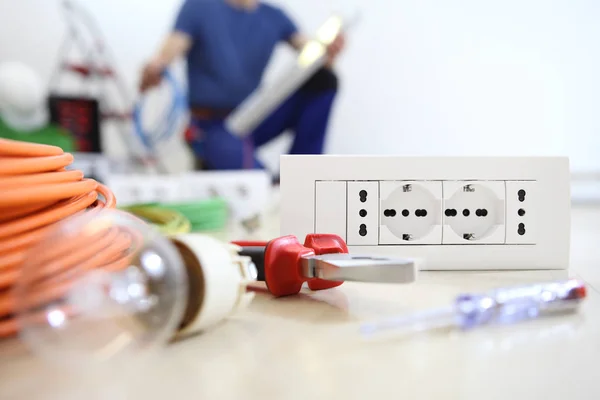
A typical house may require rewiring if:
- The wiring is more than 25–30 years old
- Electrical outlets or switches feel warm or appear damaged
- Circuit breakers trip frequently
- Lights flicker or electrical appliances behave unpredictably
- The property still uses old fuse boxes instead of modern consumer units
When these issues arise, electricians often recommend a full rewire to bring the property up to current safety standards. This is why many people, particularly older homeowners, begin searching for rewiring grants for elderly support or other financial assistance options.
What Is the Cost of Rewiring a House in the UK?
Before exploring options such as house rewire grants UK or government grants for rewiring a house, it helps to understand the typical cost of electrical rewiring.
Average rewiring costs in the UK are generally:
- £3,000–£5,000 for a small flat
- £4,000–£7,000 for a typical semi-detached house
- £6,000–£10,000+ for larger homes
The final cost can vary depending on several factors, including:
- Property size
- Accessibility of existing wiring
- Whether walls need to be opened
- Labour and materials
- Regional electrician costs
Because rewiring can be expensive, many homeowners actively look for government grants for rewiring a house UK or search online for how to get your house rewired for free gov UK to reduce the financial burden. Understanding these costs is the first step towards finding the right support scheme.
Can You Really Get Your House Rewired for Free?
If you are researching how to get your house rewired for free, the answer is yes — in some cases, it is possible in the UK. However, it usually depends on whether you meet the eligibility criteria for government or council funding programmes.
Free rewiring is typically available through schemes that support:
- Low-income households
- Elderly residents (often linked to rewiring grants for elderly)
- Disabled homeowners
- Energy efficiency upgrades
- Unsafe housing conditions
Many homeowners searching for house rewire grants UK or government grants for rewiring a house should be aware that most schemes do not advertise themselves specifically as “rewiring grants”. Instead, rewiring may be included as part of broader funding, such as government grants for rewiring a house UK, energy efficiency schemes, or housing safety programmes.
For this reason, people often look online for guidance on how to get your house rewired for free gov UK, as understanding which schemes apply to your situation is the key to accessing available funding.
Government Schemes That May Cover Rewiring Costs
If you are exploring how to get your house rewired for free, it is important to understand the government schemes that may help cover the cost. Several UK programmes provide financial support for major home improvements, including electrical work. In many cases, these schemes form the basis of what people refer to as a house rewiring grant, rewiring a house grant, or general rewiring grants.
Energy Company Obligation (ECO Scheme)
One of the most important programmes available today is the Energy Company Obligation (ECO) scheme. Under this scheme, major energy suppliers are required to fund energy-saving improvements for eligible households.
While ECO is best known for insulation and heating upgrades, in some cases it may also cover electrical work if rewiring is required before installing energy efficiency measures. This makes it a potential route for those looking into house rewire grants.
Households may qualify if they:
- Receive certain government benefits
- Have a low household income
- Live in properties with poor energy efficiency ratings
Because the scheme is administered through energy companies and approved installers, the level of support can vary depending on the provider.
Local Council Home Improvement Grants
Many local councils offer housing improvement grants that can help homeowners repair or upgrade unsafe properties. These grants sometimes include funding for electrical safety improvements such as rewiring, making them highly relevant for those researching how to get your house rewired for free from council schemes.
Council support is often aimed at:
- Older homeowners living alone
- Disabled residents
- Low-income households
- Homes considered unsafe under housing standards
If electrical wiring poses a safety risk, the council may approve funding to repair or replace it. As a result, these programmes are often informally referred to as house rewiring grant or rewiring grants, although the official names may differ.

Because each council operates independently, the availability of support can vary depending on your location.
Disabled Facilities Grants
Another possible source of funding is the Disabled Facilities Grant (DFG). This grant is designed to help people with disabilities live safely and independently in their homes.
While the DFG is primarily used for accessibility improvements such as stairlifts or bathroom adaptations, electrical upgrades may sometimes be included if they are necessary to support medical equipment or accessibility modifications. In some cases, this can contribute towards a rewiring a house grant.
Eligibility depends on:
- Disability status
- Financial circumstances
- Property assessment by local authorities
Housing Safety and Repair Grants
Some councils also offer repair grants for properties that fail to meet basic safety standards. Electrical hazards are taken seriously under UK housing regulations, meaning that unsafe wiring may qualify for financial support.
These grants often fall under broader housing improvement schemes designed to ensure homes meet minimum safety requirements. For homeowners searching for rewiring grants, this can be another valuable option.
If an inspection confirms that the electrical wiring presents a risk, homeowners may be able to apply for funding through these programmes, bringing them closer to understanding how to get your house rewired for free.
Rewiring Grants for Elderly Homeowners
For those researching how to get your house rewired for free, elderly homeowners are among the groups most likely to qualify for support. Many pensioners live in older properties where electrical systems have not been updated for decades, increasing the need for safety improvements.
Several schemes prioritise rewiring grants for elderly residents, particularly where electrical faults pose a safety risk. These opportunities are often referred to as a house rewiring grant or rewiring a house grant, although they are usually part of broader support programmes.
Support may come from:
- Local council housing grants
- Charitable housing organisations
- Energy efficiency schemes
- Community repair programmes
In some cases, charities or non-profit organisations may also help coordinate repairs for vulnerable residents, making it easier to access available rewiring grants.
When Rewiring May Be Required for Safety
Electrical safety is taken very seriously in the UK, particularly when it comes to preventing fires and electrical hazards. If wiring is found to be unsafe during an inspection, homeowners may be advised to carry out repairs immediately.
Common safety concerns include:
- Exposed or damaged wiring
- Outdated fuse boxes
- Lack of proper grounding
- Overloaded circuits
- Incorrect DIY electrical work
When these issues are identified, local authorities may recommend or require repairs. In such cases, funding support—often described as house rewire grants or rewiring grants—may be available to help cover the cost.
How to Apply for Government Grants to Rewire a House
Understanding how to get your house rewired for free from council support or national schemes is an important step if you believe your home may qualify for assistance. The process for applying for government grants for rewiring a house in the UK typically involves checking eligibility, contacting the relevant authority, and arranging a property inspection.

Although the exact process may vary depending on the scheme, the general steps are usually similar.
First, homeowners need to determine whether they qualify for support. Many schemes are designed to assist individuals on low incomes, those receiving benefits, elderly or disabled residents, or people living in properties with safety risks. Eligibility may also depend on the property’s energy efficiency rating or whether it meets current housing standards.
Once eligibility is confirmed, applicants usually need to submit a request to their local council or an approved installer. This is a key step for those exploring how to get your house rewired for free, as most funding routes begin with a formal application.
In many cases, an inspection will then be arranged to assess the condition of the electrical system and determine whether a full rewire is necessary.
If the property meets the criteria and funding is available, the council or scheme administrator may approve the work. Approved contractors are typically appointed to carry out the rewiring safely and in line with regulations, completing the process associated with a house rewiring grant or similar scheme.
How to Get Your House Rewired for Free from the Council
For homeowners researching how to get your house rewired for free, one of the most common routes is through local council housing assistance programmes. Councils have powers under housing legislation to provide grants or loans for essential home repairs when properties fall below safety standards.
If you are specifically looking into how to get your house rewired for free from council support, the first step is usually to contact your local authority’s housing department or environmental health team. They may ask for details about your income, the condition of your property, and the work required.
The council may then arrange a housing inspection. If the electrical system is deemed unsafe or outdated, the property could qualify for funding through a house rewiring grant or rewiring a house grant, depending on the scheme available.
Support from the council may include:
- Full funding for repairs
- Partial grants covering part of the work
- Low-interest improvement loans
- Help arranging qualified contractors
If approved, the council may organise the work directly with certified electricians who meet current regulatory standards, helping homeowners access available rewiring grants.
Checking Whether Your Home Qualifies for Rewiring Grants
Many homeowners are unsure whether they qualify for support. In general, the likelihood of receiving assistance—often referred to as house rewire grants or rewiring grants—increases if one or more of the following apply:
- The property has serious electrical safety risks
- The homeowner receives income-related benefits
- The resident is elderly or disabled
- The home has very poor energy efficiency
- The property has been identified as hazardous under housing standards
Some schemes prioritise properties that fail to meet minimum safety requirements. If an electrical inspection reveals hazards such as damaged wiring or overloaded circuits, funding may become available through a house rewiring grant or similar programme.
Because eligibility varies by region, contacting your local authority directly is often the fastest way to determine what support is available and how to get your house rewired for free.
Finding Rewiring Grants Near You
When people search online for how to get your house rewired for free near me, they are usually trying to find schemes available in their local area. In the UK, funding availability often depends on location, as many rewiring grants and housing support programmes are administered by local councils.
To find grants near you, homeowners can start by checking:
- Their local council website
- Housing assistance or home improvement grant pages
- Energy efficiency scheme providers
- Community home repair programmes
Many councils publish details of available schemes, including eligibility criteria and application processes for a rewiring a house grant or house rewire grants. If the information is unclear, contacting the housing team by phone or email can provide more accurate guidance.
Can Energy Companies Help with Rewiring?
Some homeowners also ask whether energy companies can help with the cost of rewiring when exploring how to get your house rewired for free. Energy suppliers are involved in government-backed energy efficiency schemes that may provide funding for improvements in eligible homes.
Under programmes such as the Energy Company Obligation (ECO), energy companies may fund upgrades designed to improve energy efficiency. While these schemes typically focus on insulation or heating, electrical work may sometimes be required to complete the upgrades safely.
For example, if installing an energy-efficient heating system requires electrical improvements, part of the rewiring work may be included. In this way, some homeowners indirectly benefit from house rewiring grant support through wider schemes.

However, energy companies do not usually provide direct funding purely for rewiring unless it is linked to an energy efficiency upgrade.
What About British Gas Rewire Costs?
Many homeowners researching how to get your house rewired for free also look into British Gas rewire cost as an alternative option. Providers such as British Gas offer electrical services through approved engineers, but these are typically paid installations rather than a rewiring grant or other funded support.
The cost of rewiring through major providers can sometimes be higher than using independent electricians. However, they may offer advantages such as warranties, certified contractors, and nationwide service coverage.
If you do not qualify for grants for rewiring a house, comparing quotes from multiple electricians can help reduce the overall cost.
Combining Grants for Multiple Home Improvements
Another strategy homeowners use when exploring grants for rewiring house support is applying for funding that covers several improvements at once. Some housing improvement programmes allow funding to be used for multiple safety repairs within the same property.
For example, schemes that support roof replacement, insulation, heating upgrades, or accessibility improvements may also allow funding for electrical work where necessary. In these cases, a grant to rewire house may be included as part of a wider package.
If a property requires several upgrades to meet safety standards, councils may approve combined funding, sometimes referred to as grants to rewire a home, alongside other essential repairs. This approach can significantly reduce the overall cost of major home improvements.
Why Electrical Safety Grants Exist
Government support for home repairs is closely linked to public safety. Electrical faults are a major cause of house fires, particularly in older homes where wiring has deteriorated over time.
By providing grants for rewiring a house and other repair funding, local authorities can reduce risks, improve housing standards, and protect vulnerable residents.
A rewiring grant therefore exists not only to support homeowners financially but also to improve the overall safety and quality of housing across communities.
Preparing for a Property Inspection
If you apply for funding, whether through a rewiring grant or other grants to rewire a home, the council or scheme administrator will usually arrange a property inspection before approving support.
During this inspection, a surveyor or electrician may check:
- The condition of the wiring
- The age of the electrical installation
- The fuse box or consumer unit
- Socket outlets and switches
- Signs of overheating or electrical damage
If serious issues are identified, the property may be classified as requiring urgent repairs. In such cases, homeowners may have a stronger case for receiving grants for rewiring house or related support.
Why Acting Early Matters
Electrical issues tend to worsen over time. Faulty wiring can lead to power failures, appliance damage, or even electrical fires if left unresolved.
Applying early for grants for rewiring a house gives homeowners more options. Waiting until the system fails completely may limit access to funding or require emergency repairs that must be paid for privately.
Checking eligibility for a grant to rewire house as soon as problems appear is therefore the safest and most practical approach.
Major UK Schemes That May Help Fund House Rewiring
When homeowners search for how to get your house rewired for free, they often expect a single national scheme that covers the entire cost. In reality, funding usually comes from a combination of programmes that support home safety, energy efficiency, or vulnerable households.
While these schemes may not always be labelled as grants to rewire a home or grants for rewiring house, electrical upgrades can sometimes be included where they are necessary for safety or required for other improvements.
Understanding how these programmes work can significantly improve your chances of securing a rewiring grant or similar financial support.
Energy Company Obligation (ECO) Scheme
When exploring how to get your house rewired for free, one of the most important programmes to understand is the Energy Company Obligation (ECO) scheme. This government-backed initiative requires large energy suppliers to fund improvements that make homes more energy efficient.
Although the ECO scheme is mainly associated with insulation and heating upgrades, electrical work may sometimes be included. In cases where rewiring is required before energy improvements can be safely installed, part of the project may effectively act as a rewiring grant or contribute towards grants for rewiring a house.
For example, if a home qualifies for an energy-saving heating system but the existing wiring cannot safely support it, the upgrade may include electrical work. In this way, some households indirectly benefit from a grant to rewire house through wider energy efficiency funding.

Households are more likely to qualify if they:
- Receive certain government benefits
- Have a low household income
- Live in properties with poor energy efficiency ratings
- Are considered vulnerable due to age or health conditions
Because the ECO scheme is delivered through energy suppliers and approved installers, homeowners usually apply through participating contractors rather than directly through the government.
Home Upgrade Grant (HUG)
Another programme that may help those researching how to get your house rewired for free is the Home Upgrade Grant (HUG). This initiative focuses on improving energy efficiency in homes that are not connected to the gas grid and have low energy performance ratings.
The scheme provides funding for improvements such as insulation, heating systems, and ventilation. In some cases, electrical upgrades are required before new systems can be installed safely. If so, the work may be included as part of a wider project, effectively contributing towards grants to rewire a home.
Local authorities administer the scheme, so eligibility and availability may vary depending on your area.
Local Authority Housing Repair Grants
Local councils remain one of the primary sources of funding for property repairs. Under housing legislation, they can provide grants or loans for essential improvements, particularly where homes fail to meet basic safety standards.
Electrical hazards are taken seriously, and if an inspection identifies unsafe wiring, the property may qualify for grants for rewiring house or similar support. These are often delivered as part of broader housing repair schemes rather than standalone funding.
These grants may cover:
- Electrical safety improvements
- Structural repairs
- Heating system upgrades
- Accessibility adaptations
Depending on the circumstances, councils may approve full or partial funding, effectively acting as a rewiring grant for eligible homeowners.
Rewiring Grants for Elderly Homeowners
Older homeowners are often among those most likely to benefit from grants for rewiring a house. Many elderly residents live in properties built decades ago, where electrical systems are outdated and may pose safety risks.
Local authorities and charitable organisations frequently prioritise support for this group, especially where urgent repairs are required. In such cases, funding may be provided in the form of a grant to rewire house or similar assistance.
Support may include:
- Council-funded repair programmes
- Grants from housing charities
- Community home repair initiatives
- Assistance through energy efficiency schemes
These programmes aim to help elderly residents remain safely in their homes while reducing risks associated with ageing electrical systems.
Charities That May Help with Home Repairs
In addition to government schemes, several charities across the UK provide support for essential home repairs. These organisations can sometimes help homeowners access grants to rewire a home or contribute towards the cost of electrical work.
Charities typically focus on supporting people who are:
- Elderly
- Living with disabilities
- Experiencing financial hardship
- Living in unsafe housing conditions
Some charities work alongside local councils or community groups to fund or coordinate repairs. While they may not always provide a full rewiring grant, they can help reduce costs or arrange subsidised work through trusted contractors or volunteer schemes.
Can Tenants Get Rewiring Grants?
Tenants often search for grants for rewiring house, but in most cases, responsibility for electrical safety lies with the landlord rather than the tenant.
Under UK housing law, landlords must ensure that rental properties meet electrical safety standards. This includes arranging inspections and maintaining safe wiring systems.
If a tenant believes the wiring is unsafe, they should report the issue to the landlord. If the problem is not resolved, the tenant can contact the local council’s housing enforcement team.
The council has the authority to investigate and require the landlord to carry out necessary repairs if electrical hazards are identified. While tenants may not apply directly for a rewiring grant, enforcement action can ensure that essential work is completed.
Landlord Responsibilities for Electrical Safety
When researching how to get your house rewired for free, it is important to understand that tenants are usually not responsible for arranging or funding electrical repairs. In England, landlords must comply with Electrical Safety Standards in the Private Rented Sector Regulations, which require electrical installations to be inspected and tested regularly.
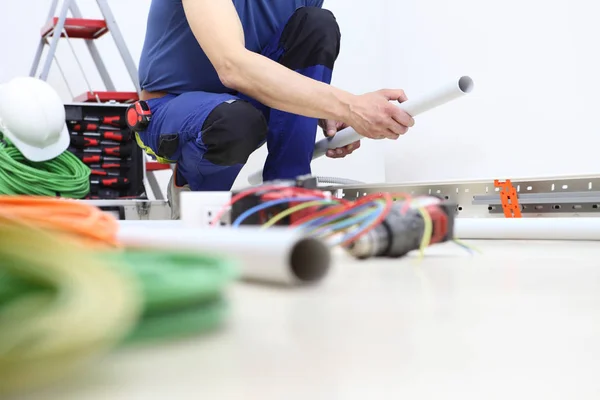
If problems are identified, landlords must arrange repairs within a specified timeframe. This means tenants typically do not need to apply for a government grant to rewire house, as the legal responsibility for maintaining electrical safety lies with the landlord.
When Rewiring Is Required by Law
In some situations, electrical systems must be upgraded to meet safety regulations. If wiring fails an inspection or presents a significant hazard, repairs may be required before the property can continue to be rented or occupied safely.
Electrical installations are usually assessed through Electrical Installation Condition Reports (EICR), which determine whether wiring meets current standards. If serious issues are identified, a full rewire may be recommended or required.
For homeowners exploring how to get your house rewired for free near me, these inspections can sometimes provide the evidence needed to support applications for funding or assistance.
The Importance of Electrical Safety in Older Homes
Many older homes in the UK still rely on wiring installed decades ago. While some systems remain safe if properly maintained, others can become hazardous as insulation deteriorates and electrical demand increases.
Modern households use far more electrical devices than homes built in the 1960s or 1970s were designed to support. As a result, outdated wiring may struggle to cope safely.
Upgrading electrical systems not only improves safety but also ensures that homes can support modern appliances and technologies. This is one reason why some funding schemes, alongside programmes such as roof replacement grants, may include electrical improvements where necessary.
Why Grants Often Focus on Vulnerable Households
Housing improvement funding is typically targeted at vulnerable groups rather than all homeowners. This ensures that limited resources are directed towards those most in need.
Priority is often given to households where:
- Residents are elderly or disabled
- Income is below a certain threshold
- The property presents safety risks
- Residents cannot afford essential repairs
By focusing on these groups, government schemes aim to prevent accidents and ensure safe living conditions. For many applicants, this is a key part of understanding how to get your house rewired for free through available support programmes.
Preparing Your Home for Grant Applications
If you are planning to apply for support, whether through a government grant to rewire house scheme or other assistance, preparing the right information can improve your chances of success.
Homeowners should gather key details about their property, such as:
- The age of the electrical wiring
- Records of previous electrical work
- Photographs of damaged wiring or outlets
- The property’s energy efficiency rating (if known)
- Household income details (if required)
Providing accurate and complete information helps councils and scheme administrators assess eligibility more efficiently. It can also speed up the process for those comparing options, including estimated costs such as British Gas rewire cost, when considering alternatives to funded support.
Step-by-Step: How to Apply for a House Rewire Grant in the UK
If you are exploring how to get your house rewired for free, the next step is understanding how to apply for house rewire grants in the UK. While each programme has slightly different requirements, most follow a similar process. Knowing the steps in advance can help you prepare effectively and improve your chances of approval.
1. Check Your Eligibility
The first step is confirming whether you meet the criteria for available schemes. Grants are usually targeted at households that need financial support or live in properties with unsafe electrical systems.
You may qualify if you:
- Receive income-related benefits
- Have a low household income
- Are elderly or disabled
- Live in a property with serious electrical safety risks
- Own a home with poor energy efficiency
Some schemes also consider whether the property has been inspected and identified as needing urgent repairs.
Because eligibility varies by location, the most reliable approach is to contact your local council housing department and ask about available government grant to rewire house programmes.
2. Contact Your Local Council
Local authorities administer many home improvement grants, so your council is usually the first point of contact.
You can find relevant information by searching your council website for:
- Home improvement grants
- Housing repair assistance
- Property safety funding

If details are not clearly listed online, contacting the housing or environmental health department directly can provide guidance. Council officers can explain which programmes are available in your area and whether your situation may qualify for funding. This is particularly useful when searching for how to get your house rewired for free near me.
3. Submit an Application
Once you identify a suitable scheme, you will usually need to submit a formal application. This may involve completing an online form or providing documents about your property and finances.
Typical information requested may include:
- Property address and ownership details
- Household income information
- Evidence of benefits (if applicable)
- Description of electrical problems
- Photographs of wiring or fuse boxes (sometimes requested)
Some councils may also request quotes from electricians before approving funding, allowing applicants to compare estimated costs such as British Gas rewire cost if needed.
4. Arrange a Property Inspection
After reviewing your application, the council or scheme administrator will often arrange a property inspection.
During the inspection, a qualified surveyor or electrician may examine:
- Electrical wiring condition
- Fuse box or consumer unit
- Socket outlets and switches
- Evidence of overheating or damaged wiring
- Overall electrical safety compliance
If serious hazards are identified, the inspector may recommend that the property requires a full or partial rewire. This assessment helps determine whether the property qualifies for support, including roof replacement grants or electrical funding when part of a broader home improvement programme.
5. Funding Approval
If the inspection confirms that repairs are necessary and the household meets eligibility criteria, the council may approve funding.
Depending on the programme, support may include:
- Full grant funding for the work
- Partial grants covering part of the cost
- Low-interest improvement loans
- Approved contractors arranged through the scheme
Once funding is approved, the council or scheme administrator typically appoints a qualified electrician to carry out the work, ensuring the home meets modern safety standards.
How Long Does the Grant Process Take?
For homeowners exploring how to get your house rewired for free, it’s important to understand that the timeline for receiving funding can vary depending on council resources, inspection schedules, and the complexity of the work required.
In many cases, the process may take:
- 2–4 weeks for initial eligibility checks
- Several weeks for inspections and approvals
- Additional time to schedule contractors
Overall, the entire process may take one to three months from application to completion. However, urgent safety risks may sometimes be prioritised, especially for vulnerable residents.
What Happens During a House Rewire?
If grant funding is approved, the next stage is the rewiring work itself. Understanding the process helps homeowners prepare effectively.
A full house rewire usually involves:
- Removing old electrical wiring
- Installing new cables throughout the property
- Replacing fuse boxes with modern consumer units
- Installing new sockets and switches
- Testing the electrical system to ensure compliance
Electricians may need access to walls, ceilings, and floorboards to run new cables. In some cases, minor redecorating may be required afterward. While the work can be disruptive for a few days, it significantly improves both safety and reliability.
Documents That May Be Required
When applying for how to get your house rewired for free, preparing supporting documents in advance can speed up the process. Commonly requested documents include:
- Proof of property ownership
- Identification documents
- Evidence of household income or benefits
- Energy performance certificate (if available)
- Electrical inspection reports (if already completed)
Having this information ready helps councils assess applications more efficiently and reduces delays.
What If Your Grant Application Is Rejected?
Not every application is approved, particularly if funding is limited or the property does not meet eligibility requirements.
If your application is rejected, other options may still be available:
- Applying for alternative local grant schemes
- Exploring energy efficiency programmes
- Checking eligibility for charity support
- Requesting low-interest home improvement loans

Homeowners can also ask the council for clarification on why the application was declined and whether other programmes may be available.
Reducing the Cost of Rewiring Without Grants
If grant funding is not available, there are still ways to reduce the cost of rewiring a house. Practical strategies include:
- Comparing quotes from multiple electricians
- Scheduling work during renovation projects
- Rewiring sections of the house instead of the entire property
- Installing energy-efficient electrical systems during the upgrade
Even without full grant funding, careful planning can help homeowners significantly reduce costs.
Why Electrical Upgrades Increase Property Value
Rewiring a home is not only about safety — it can also improve property value. Modern electrical systems make homes more attractive to buyers because they provide:
- Greater safety and reliability
- Compatibility with modern appliances
- Higher energy efficiency
- Compliance with current electrical regulations
For homeowners planning to sell in the future, investing in electrical upgrades through funding programmes or personal investment can increase both property value and buyer confidence.
Frequently Asked Questions About Free House Rewiring in the UK
Many homeowners search online for how to get your house rewired for free, but the information they find can be confusing or incomplete. Below are answers to some of the most common questions about rewiring grants in the UK.
Is It Really Possible to Get Your House Rewired for Free?
In some situations, yes. Certain households may qualify for grants that fully cover the cost of essential electrical repairs.
Free rewiring is most likely to be available if the homeowner:
- Is elderly or disabled
- Has a low household income
- Receives certain government benefits
- Lives in a property considered unsafe
- Qualifies for energy efficiency upgrade schemes
In these cases, electrical upgrades may be included within housing repair programmes or broader home improvement grants. However, completely free rewiring is not available to all homeowners, and eligibility requirements usually apply.
How Do You Complete a Successful Rewiring Grant Application?
Applying for how to get your house rewired for free or government grants for rewiring a house in the UK is easier when you prepare properly.
Successful applications usually include:
- Clear information about the property condition
- Evidence of unsafe wiring or electrical faults
- Documentation of income or benefits (if required)
- Cooperation with property inspections
Local councils often prioritise applications where electrical hazards pose safety risks, particularly when vulnerable residents live in the property. Providing accurate details during the application process helps authorities assess your situation quickly.
How Long Does It Take to Get a House Rewired Through a Grant?
The timeline depends on factors such as funding availability, inspection schedules, and contractor availability. Typically, the process may involve:
- Application review: a few weeks
- Property inspection: scheduled by the council
- Funding decision: several additional weeks
- Scheduling the work: depending on contractor availability
In many cases, the entire process takes one to three months, although urgent safety issues may sometimes be prioritised.
Can You Get a Grant to Rewire a House If You Are Not on Benefits?
Some schemes are income-based, but others focus on housing safety standards rather than benefit eligibility.
Homeowners who are not receiving benefits may still qualify if:
- Their property has serious electrical hazards
- They are elderly homeowners with limited income
- The home fails to meet housing safety requirements
Because each council operates different programmes, it is always worth contacting your local authority to check what support may be available.
What Are the Signs Your House Needs Rewiring?
Many homeowners do not realise their electrical system is outdated until serious problems occur. Recognising early warning signs can help prevent electrical hazards.
Common signs that a property may need rewiring include:
- Frequent circuit breaker trips
- Flickering lights
- Burning smells near outlets
- Discoloured sockets or switches
- Lack of sufficient plug sockets
- Old fuse boxes instead of modern consumer units
If these issues appear, arranging a professional electrical inspection is advisable.
Are Rewiring Grants Available for Roof Repairs or Other Work?
Some housing improvement grants cover multiple types of home repairs rather than just electrical upgrades.
For example, programmes that fund roof replacement grants, heating improvements, or insulation may also include electrical work if it is required to complete the overall project safely.
In these cases, rewiring is often part of a broader property improvement scheme rather than a standalone grant.
Why Some Homes Are Prioritised for Funding
Funding for housing improvements is limited, so councils and government programmes often prioritise households that are most at risk.

Priority is usually given to homes where:
- Residents are elderly or vulnerable
- Electrical systems pose significant safety risks
- Household income is below certain thresholds
- Repairs are needed to meet housing safety regulations
By focusing on these households, housing authorities aim to reduce accidents and ensure safe living conditions across communities.
The Long-Term Benefits of Rewiring a House
Although rewiring can be expensive, it provides several long-term advantages for homeowners. Upgrading electrical systems can:
- Improve household safety
- Reduce the risk of electrical fires
- Support modern appliances and technology
- Increase property value
- Ensure compliance with modern electrical standards
For older properties in particular, electrical upgrades are often one of the most important improvements a homeowner can make.
Final Thoughts
Understanding how to get your house rewired for free in the UK requires knowing where to look for funding and which programmes may apply to your situation.
While not every homeowner will qualify for full grants, several schemes exist that can help reduce the cost of essential electrical work. Local council housing repair programmes, energy efficiency schemes, and charitable organisations may all provide assistance in the right circumstances.
If you believe your home may require electrical upgrades, contacting your local council housing department is usually the best first step. They can explain what grants or support programmes are available in your area and guide you through the application process.
By exploring these options early, homeowners may be able to improve the safety of their property without facing the full cost of a house rewire.