Key Takeaways
- Holistic Therapy treats the whole person—mind, body, and spirit—rather than isolated symptoms, integrating multiple therapeutic approaches for comprehensive wellness
- Practitioners combine conventional healthcare knowledge with complementary modalities like massage, acupuncture, nutritional therapy, and energy healing
- Professional practice requires accredited certification, insurance, and ongoing CPD (Continuing Professional Development) to maintain credibility and legal compliance
- Career pathways range from employed positions in wellness centres to private practice, with UK practitioners earning £25,000–£55,000+ depending on specialization and experience
- Training typically involves Level 3–5 diplomas in specific modalities plus foundational anatomy, physiology, and psychology knowledge
- The field is growing as more clients seek integrated approaches to chronic conditions, stress management, and preventative health
- Successful practitioners develop strong personal skills including empathy, active listening, cultural sensitivity, and professional boundaries
Quick Answer
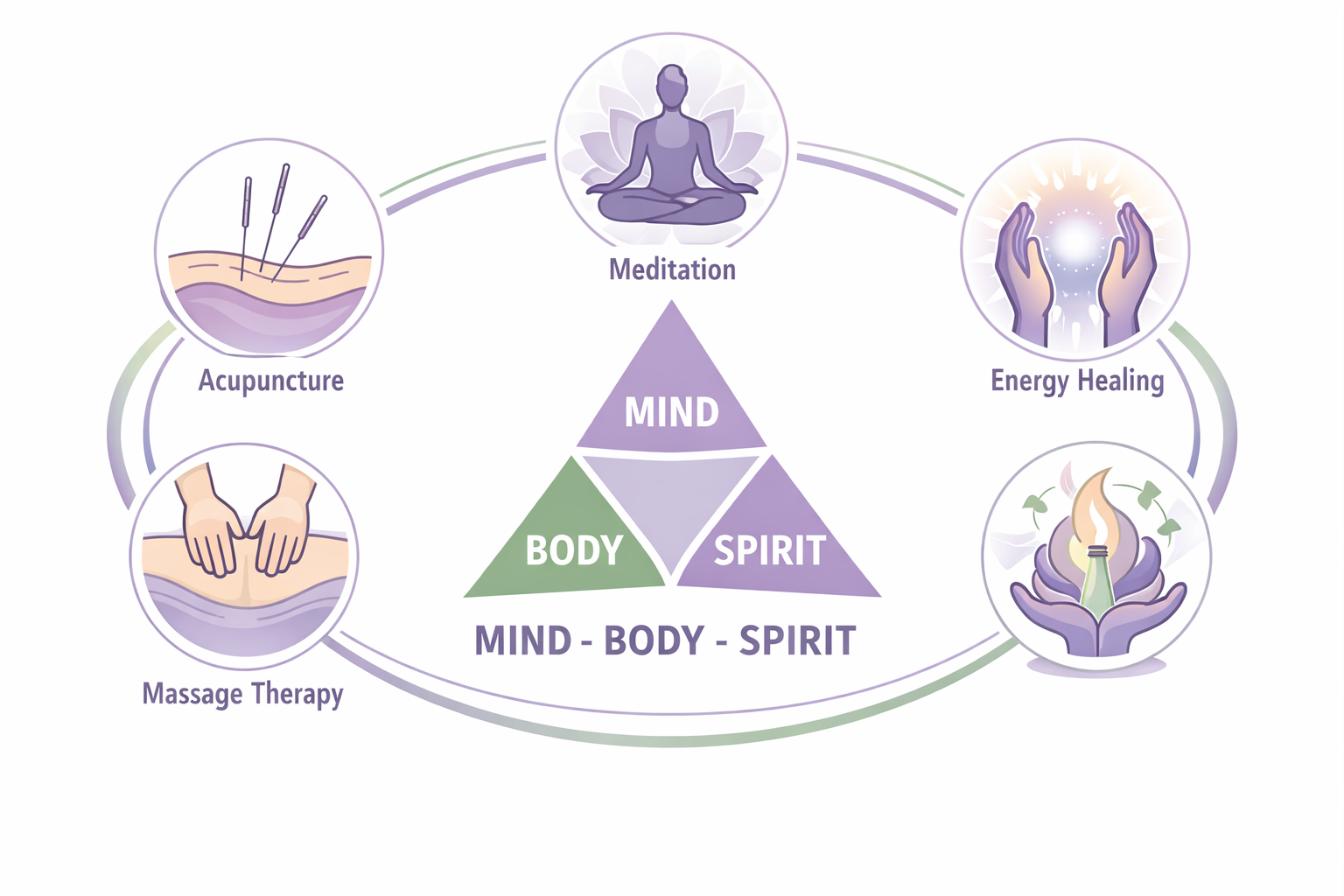
Holistic Therapy is a client-centred approach that addresses physical, mental, emotional, and spiritual health simultaneously rather than treating isolated symptoms. Practitioners use evidence-informed complementary modalities—such as massage therapy, acupuncture, herbal medicine, and mindfulness techniques—to support the body's natural healing capacity. To practice professionally in the UK, therapists need accredited qualifications in their chosen modalities, professional indemnity insurance, and adherence to regulatory body standards for safe, ethical care.
What Is Holistic Therapy?
Holistic Therapy is a therapeutic approach that considers the entire person—physical body, mental state, emotional wellbeing, and spiritual health—as interconnected systems that influence overall wellness. Rather than focusing solely on symptoms or single health complaints, holistic practitioners assess how lifestyle, environment, relationships, and belief systems contribute to a client's condition.
This approach draws from both conventional medical understanding and complementary therapeutic traditions. A holistic therapist might combine:
- Physical interventions: massage, osteopathy, reflexology, acupuncture
- Nutritional support: dietary guidance, herbal supplements, functional nutrition
- Mental-emotional techniques: counselling, mindfulness, breathwork, cognitive approaches
- Energy-based practices: reiki, chakra balancing, qi gong
- Lifestyle modifications: sleep hygiene, stress management, movement practices
The core principle is that symptoms often reflect deeper imbalances. For example, chronic headaches might stem from muscular tension, poor posture, nutritional deficiencies, stress, or a combination of factors. Holistic practitioners work with clients to identify root causes rather than simply managing pain.
Common mistake: Assuming holistic means rejecting conventional medicine. Most qualified holistic therapists work collaboratively with GPs and medical professionals, referring clients when necessary and integrating their approaches with standard care.
The Difference Between Holistic Therapy and Conventional Treatment
Conventional medicine excels at acute care, diagnosis, and evidence-based interventions for specific conditions. Holistic Therapy complements this by addressing chronic conditions, prevention, and quality of life factors that standard protocols may not fully cover.
| Aspect | Conventional Treatment | Holistic Therapy |
| Focus | Disease, symptoms, pathology | Whole person, root causes, wellness |
| Approach | Standardized protocols, medication, surgery | Individualized plans, multiple modalities |
| Timeframe | Often short-term, symptom relief | Longer-term, sustainable lifestyle changes |
| Evidence base | Clinical trials, peer-reviewed research | Mix of research, traditional knowledge, case studies |
| Practitioner role | Expert authority, prescriber | Facilitator, educator, partner in healing |
| Best for | Acute illness, emergencies, structural damage | Chronic conditions, prevention, stress-related issues |
Choose holistic therapy if you're dealing with chronic pain, stress-related conditions, autoimmune issues, or want preventative care. Seek conventional treatment first for emergencies, severe acute illness, or when diagnostic testing is needed.
Who Can Benefit from Holistic Therapy?
Holistic Therapy serves working professionals experiencing stress-related health issues, chronic conditions not fully resolved by conventional treatment, or those seeking preventative care and enhanced wellbeing. The approach is particularly effective for conditions where lifestyle, stress, and emotional factors play significant roles.
Ideal candidates include:
- Corporate professionals managing work-related stress, burnout, insomnia, or tension headaches
- Healthcare workers seeking self-care strategies and stress management techniques
- Individuals with chronic conditions like fibromyalgia, IBS, chronic fatigue, or autoimmune disorders
- Those recovering from injury who want to address both physical healing and emotional impact
- People in life transitions dealing with career changes, relationship challenges, or major life events
- Wellness-focused individuals pursuing optimal health rather than just absence of disease
When Holistic Therapy May Not Be Appropriate
Holistic approaches work best as part of integrated care, not as sole treatment for serious medical conditions. Avoid relying exclusively on holistic therapy for:
- Medical emergencies requiring immediate intervention
- Severe mental health crises (psychosis, suicidal ideation, severe depression)
- Conditions requiring diagnostic imaging or laboratory testing
- Acute infections needing antibiotics
- Structural damage requiring surgery
Edge case: Some clients use holistic therapy alongside cancer treatment. This can be beneficial for managing side effects and improving quality of life, but should never replace oncological care. Always work with a practitioner who communicates with your medical team.
What Modalities Are Included in Holistic Therapy?

Holistic Therapy encompasses dozens of complementary modalities, each with specific training requirements and evidence bases. Practitioners typically specialize in 2-4 primary modalities while maintaining foundational knowledge across the wellness spectrum.
Physical and Manual Therapies
Massage Therapy uses soft tissue manipulation to reduce muscle tension, improve circulation, and promote relaxation. Techniques range from Swedish massage to deep tissue, sports massage, and myofascial release.
Osteopathy and Chiropractic focus on musculoskeletal alignment, particularly spinal health, using manual adjustments to improve function and reduce pain.
Reflexology applies pressure to specific points on feet, hands, or ears that correspond to organs and body systems, promoting balance and healing.
Acupuncture involves inserting fine needles at specific meridian points to regulate energy flow (qi) and address pain, digestive issues, and hormonal imbalances.
Nutritional and Herbal Approaches
Nutritional Therapy assesses dietary patterns and uses food as medicine to address deficiencies, inflammation, gut health, and metabolic function.
Herbal Medicine employs plant-based remedies—teas, tinctures, capsules—to support immune function, hormonal balance, and various health conditions.
Functional Medicine combines conventional diagnostic tools with nutritional interventions to address root causes of chronic illness.
Mind-Body and Energy Practices
Mindfulness-Based Therapies teach meditation, breathwork, and present-moment awareness to reduce stress and improve emotional regulation.
Reiki and Energy Healing work with the body's energy field to promote relaxation and facilitate healing, though evidence is primarily anecdotal.
Aromatherapy uses essential oils—through inhalation or topical application—to influence mood, sleep, and physical symptoms.
Hypnotherapy employs guided relaxation and focused attention to address habits, phobias, pain management, and behavioural change.
Integrative Counselling Approaches
Many holistic therapists incorporate psychological principles alongside physical interventions, recognizing that emotional wellbeing directly impacts physical health.
Decision rule: Choose modalities based on your specific health goals and evidence quality. For chronic pain, massage and acupuncture have stronger research support than energy healing. For stress management, mindfulness and breathwork show consistent benefits.
How Do You Become a Holistic Therapy Practitioner?
Becoming a qualified holistic therapy practitioner requires structured training in specific modalities, foundational health sciences knowledge, and professional registration with recognized bodies. The pathway typically takes 1-3 years depending on chosen specializations and study intensity.
Step-by-Step Training Pathway
1. Choose Your Primary Modality (Months 1-2)
Research different holistic therapy approaches and identify which aligns with your interests, strengths, and career goals. Consider:
- Your own health experiences and what resonated
- Local market demand and competition
- Training availability and costs
- Evidence base and professional recognition
2. Complete Foundational Studies (Months 3-6)
Most accredited programmes require understanding of:
- Human anatomy and physiology
- Pathology and contraindications
- Professional ethics and boundaries
- Health and safety regulations
- Client assessment and record-keeping
3. Pursue Accredited Modality Training (Months 6-18)
Enrol in courses certified by professional bodies such as:
- Complementary and Natural Healthcare Council (CNHC)
- Federation of Holistic Therapists (FHT)
- International Therapy Examination Council (ITEC)
- Vocational Training Charitable Trust (VTCT)
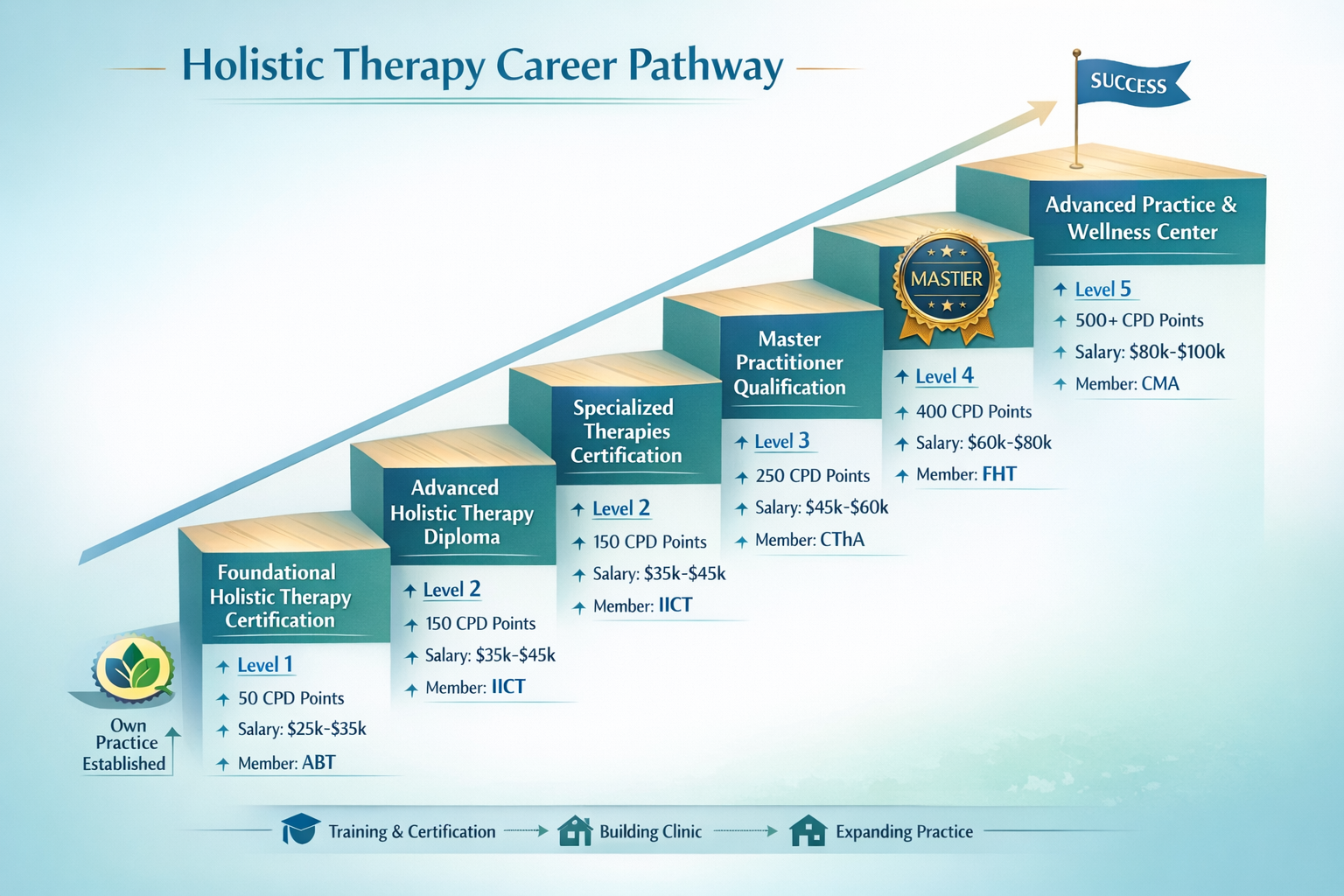
Training levels typically progress:
- Level 3 Diploma: Entry-level qualification for specific modality (massage, aromatherapy, reflexology)
- Level 4 Diploma: Advanced practice with additional modalities
- Level 5 Diploma: Practitioner-level qualification with clinical practice hours
4. Complete Supervised Clinical Practice (Months 12-24)
Most programmes require 50-100 hours of supervised client sessions to develop practical skills, assessment abilities, and professional judgment.
5. Obtain Professional Insurance and Registration (Month 18-24)
Before seeing paying clients:
- Secure professional indemnity and public liability insurance
- Register with relevant professional bodies
- Complete DBS check if working with vulnerable populations
- Establish compliant record-keeping systems
6. Pursue Ongoing CPD (Continuous)
Maintain registration through annual CPD requirements (typically 20-30 hours per year), including workshops, conferences, advanced training, and peer supervision.
Qualification Costs and Timeframes
- Level 3 Diploma: £1,500-£3,500, 6-12 months part-time
- Level 4 Diploma: £2,500-£5,000, 12-18 months part-time
- Level 5 Diploma: £3,500-£7,000, 18-24 months part-time
- Insurance: £150-£400 annually
- Professional body membership: £80-£200 annually
- CPD courses: £200-£1,000 annually
Common mistake: Choosing unaccredited online courses that don't meet insurance or professional body requirements. Always verify accreditation before enrolling.
What Are the Professional Applications of Holistic Therapy?
Holistic Therapy practitioners work across diverse settings, from private practice to corporate wellness programmes, healthcare facilities, and educational institutions. The field offers flexibility in employment models and specialization opportunities.
Employment Settings and Roles
Private Practice (40-50% of practitioners)
Self-employed therapists build client bases through referrals, online marketing, and local networking. Income depends on client volume, pricing (£40-£120 per session), and business skills.
Advantages: Flexible schedule, treatment autonomy, higher earning potential
Challenges: Irregular income, self-marketing required, administrative burden
Wellness and Spa Facilities (25-30% of practitioners)
Employed or contracted positions in day spas, health clubs, retreat centres, and wellness resorts offering massage, aromatherapy, and relaxation therapies.
Typical salary: £22,000-£32,000 employed; £25-£50 per hour contracted
Integrative Healthcare Clinics (15-20% of practitioners)
Multidisciplinary practices combining GPs, physiotherapists, osteopaths, and holistic therapists for comprehensive patient care.
Typical salary: £28,000-£42,000 employed
Corporate Wellness Programmes (Growing sector)
Providing on-site massage, stress management workshops, mindfulness training, and ergonomic assessments for employee wellbeing initiatives.
Typical rates: £60-£150 per hour for corporate contracts
Educational and Training Roles (5-10% of experienced practitioners)
Teaching holistic therapy courses, supervising students, developing curriculum for accredited programmes.
Typical salary: £32,000-£48,000 for full-time positions
Specialization Opportunities
As practitioners gain experience, many develop niche specializations that command premium rates and attract specific client demographics:
- Sports and performance therapy: Working with athletes and fitness enthusiasts
- Prenatal and postnatal care: Specialized massage and wellness support for pregnancy
- Oncology support: Helping cancer patients manage treatment side effects
- Corporate stress management: Executive wellness and burnout prevention
- Chronic pain management: Integrating multiple modalities for complex pain conditions
- Hormonal health: Supporting menopause, PCOS, thyroid conditions through nutrition and lifestyle
Developing strong personal skills like empathy, communication, and cultural sensitivity enhances professional success across all settings.
What Are the Benefits and Limitations of Holistic Therapy?

Understanding both the strengths and constraints of holistic approaches helps practitioners set realistic expectations and deliver ethical, effective care.
Evidence-Based Benefits
For Chronic Pain Conditions
Multiple studies demonstrate effectiveness of massage therapy, acupuncture, and mind-body practices for conditions like lower back pain, fibromyalgia, and osteoarthritis. These approaches often reduce medication dependence and improve quality of life.
For Stress and Mental Health
Mindfulness-based interventions, massage, and aromatherapy show consistent benefits for anxiety, depression, and stress-related symptoms. The therapeutic relationship itself provides emotional support many clients lack.
For Preventative Health
Nutritional guidance, lifestyle counselling, and stress management techniques help clients avoid chronic disease development and maintain wellness before problems arise.
For Treatment Side Effects
Holistic therapies effectively manage chemotherapy side effects, surgical recovery symptoms, and medication-related issues when integrated with conventional care.
Limitations and Considerations
Variable Evidence Quality
While some modalities have robust research support, others rely primarily on traditional use and anecdotal evidence. Practitioners should honestly communicate evidence levels for different approaches.
Not a Replacement for Medical Care
Holistic therapy complements but cannot replace necessary medical interventions. Ethical practitioners recognize scope of practice limits and refer appropriately.
Individual Response Variation
What works remarkably well for one client may have minimal effect for another. Holistic practice requires flexibility and willingness to adjust approaches.
Time and Financial Investment
Achieving sustainable results often requires multiple sessions over weeks or months, which may not be accessible for all clients despite potential long-term cost savings.
Regulation Inconsistencies
Unlike medical professions, holistic therapy regulation varies by modality and jurisdiction. Clients must verify practitioner credentials and professional body membership.
Choose holistic therapy when: You have chronic conditions not fully resolved by conventional treatment, want preventative care, prefer natural approaches, or need support for stress-related issues.
Seek conventional care when: You have acute symptoms, need diagnostic testing, have severe mental health issues, or face medical emergencies.
How Does CPD Support Holistic Therapy Practice?
Continuing Professional Development (CPD) maintains practitioner competence, expands treatment capabilities, and fulfills professional body requirements for ongoing registration. For holistic therapists, CPD training ensures practices evolve with emerging research and client needs.
CPD Requirements by Professional Body
Most UK holistic therapy organizations require 20-30 CPD hours annually, distributed across:
- Clinical skills development (40-50%): Advanced techniques, new modalities, hands-on workshops
- Professional practice (20-30%): Ethics, business skills, legal updates, record-keeping
- Health sciences (15-25%): Anatomy updates, pathology, contraindications, research literacy
- Personal development (10-15%): Self-care, supervision, reflective practice
Types of CPD Activities
Formal Learning (typically 60-70% of hours)
- Accredited courses and workshops
- Conference attendance
- Webinars and online training
- Advanced certification programmes
Informal Learning (typically 30-40% of hours)
- Professional reading and research
- Peer discussion groups
- Case study analysis
- Supervised practice sessions
Common mistake: Completing CPD hours without strategic planning. Effective practitioners align CPD with career goals, client needs, and knowledge gaps rather than randomly selecting available courses.
Strategic CPD Planning
Year 1-2: Build foundational competence in primary modality, complete required insurance courses (first aid, safeguarding), develop business skills
Year 3-5: Add complementary modalities that enhance client outcomes, pursue specialization training, develop teaching or supervision skills
Year 6+: Focus on advanced practice, research engagement, mentoring roles, or niche expertise development
Investing in CPD not only maintains registration but increases earning potential through expanded service offerings and enhanced professional credibility.
What Business Considerations Apply to Holistic Therapy Practice?
Successful holistic therapy practice requires business acumen alongside clinical skills. Whether employed or self-employed, understanding financial, legal, and marketing fundamentals ensures sustainable professional development.
Essential Business Setup Steps
Legal Structure and Registration
- Sole trader vs. limited company considerations
- HMRC registration for self-assessment
- Business name registration if trading under different name
- Data protection registration (ICO) for client records
Insurance Coverage
- Professional indemnity (covers treatment errors): £100-£250 annually
- Public liability (covers premises accidents): £80-£150 annually
- Product liability if selling supplements or products: £50-£100 annually
- Income protection for self-employed practitioners: £200-£500 annually
Financial Management
- Separate business bank account
- Accounting software or bookkeeper
- Tax planning and quarterly payment preparation
- Pricing strategy covering costs plus profit margin
Pricing and Income Expectations
UK holistic therapy session rates vary by modality, location, and experience:
| Experience Level | Session Rate | Monthly Income Potential* |
| Newly qualified | £35-£50 | £1,400-£2,000 (10 clients/week) |
| 2-5 years | £50-£75 | £2,500-£3,750 (12-15 clients/week) |
| 5-10 years | £70-£100 | £3,500-£5,000 (15-18 clients/week) |
| Specialist/Senior | £90-£150 | £4,500-£7,500 (15-20 clients/week) |
*After expenses (typically 30-40% of revenue for rent, supplies, insurance, marketing)
Decision rule: Charge rates that reflect your qualifications, experience, and local market while covering all business costs. Underpricing devalues the profession and makes sustainable practice difficult.
Marketing and Client Acquisition
Digital Presence (Essential in 2026)
- Professional website with service descriptions, credentials, booking system
- Google Business Profile for local search visibility
- Social media presence (Instagram, Facebook) with educational content
- Client testimonials and case studies (with permission)
Referral Networks
- Relationships with GPs, physiotherapists, chiropractors
- Partnerships with gyms, yoga studios, wellness centres
- Professional networking groups and business associations
Content Marketing
- Blog posts addressing common client concerns
- Email newsletters with wellness tips
- Free workshops or webinars demonstrating expertise
- Local media features and community involvement
Building a sustainable practice typically takes 12-18 months of consistent marketing effort alongside excellent clinical outcomes that generate word-of-mouth referrals.
Frequently Asked Questions
Is Holistic Therapy regulated in the UK?
Holistic therapy is not statutorily regulated like medicine or nursing, but voluntary regulation exists through professional bodies like the CNHC, FHT, and ITEC. These organizations maintain registers of qualified practitioners who meet education, insurance, and ethical standards. Always verify practitioner credentials through these registers.
How long does holistic therapy training take?
Entry-level qualifications (Level 3) typically require 6-12 months part-time study. Comprehensive practitioner training including multiple modalities and supervised practice usually takes 18-24 months. Advanced specializations and ongoing CPD continue throughout your career.
Can I practice holistic therapy without qualifications?
Legally, some modalities have no practice restrictions, but professional insurance and credibility require accredited qualifications. Practicing without proper training is unethical, potentially dangerous, and prevents professional body membership or insurance coverage. Clients increasingly verify credentials before booking.
What's the difference between a holistic therapist and a complementary therapist?
The terms are often used interchangeably. "Holistic" emphasizes the whole-person philosophy, while "complementary" highlights working alongside conventional medicine. Both describe practitioners using natural, non-pharmaceutical approaches to support health and wellbeing.
Do holistic therapists work with the NHS?
Some NHS services employ or refer to specific holistic practitioners, particularly for pain management, cancer support, and mental health services. However, most holistic therapy is private practice. Some private health insurance policies cover certain modalities like acupuncture or osteopathy.
How much can holistic therapists earn in the UK?
Earnings vary widely based on location, specialization, and business model. Employed positions typically pay £22,000-£42,000 annually. Successful self-employed practitioners earn £30,000-£60,000+, with top specialists exceeding £70,000. Income depends heavily on client volume, pricing, and business skills.
What insurance do holistic therapists need?
Professional indemnity insurance (covering treatment errors) and public liability insurance (covering accidents on premises) are essential. Most professional bodies require minimum coverage of £6 million. Product liability insurance is needed if selling supplements or products. Annual costs range from £180-£400 total.
Can holistic therapy help with mental health conditions?
Holistic approaches can support mental health through stress reduction, relaxation techniques, and addressing physical factors affecting mood. However, serious mental health conditions require qualified mental health professionals. Holistic therapists can work collaboratively with counsellors and psychiatrists as part of integrated care.
What's the job outlook for holistic therapists?
The wellness industry continues growing as people seek preventative care and natural approaches to chronic conditions. Corporate wellness programmes and integrative healthcare clinics are expanding. However, competition is significant in saturated markets. Success requires strong clinical skills, business acumen, and specialization.
Do I need to specialize in one modality or learn multiple approaches?
Most successful practitioners develop depth in 1-2 primary modalities while maintaining working knowledge of complementary approaches. This allows comprehensive care while maintaining expertise. Start with one foundational modality, then add complementary skills based on client needs and career goals.
How do holistic therapists maintain professional boundaries?
Professional boundaries include clear session times, appropriate touch protocols, confidentiality standards, and avoiding dual relationships with clients. Training covers ethical guidelines, and supervision helps navigate complex situations. Professional bodies provide ethics frameworks and complaint procedures.
Can holistic therapy be delivered online?
Some modalities translate well to virtual delivery, including nutritional therapy, mindfulness coaching, and wellness counselling. Hands-on therapies like massage require in-person sessions. The pandemic accelerated online wellness services, creating new opportunities for remote consultations and follow-up support.
Conclusion
Holistic Therapy offers a rewarding career path for professionals passionate about integrated wellness and client-centred care. By addressing the whole person rather than isolated symptoms, practitioners help clients achieve sustainable health improvements that conventional approaches may not fully address.
Success in this field requires commitment to rigorous training, ongoing professional development, and ethical practice standards. The pathway from initial certification through established practice typically spans 2-3 years, but the investment yields diverse career opportunities across private practice, healthcare facilities, corporate wellness, and educational roles.
For working professionals considering holistic therapy training, the field provides flexibility, personal fulfillment, and the opportunity to make meaningful differences in clients' lives. The growing emphasis on preventative health, stress management, and integrated care creates expanding opportunities for qualified practitioners who combine clinical excellence with strong business skills.
Next Steps
If you're exploring holistic therapy as a client:
- Research accredited practitioners through CNHC or FHT registers
- Schedule initial consultations to find the right therapeutic fit
- Discuss your goals and verify practitioner credentials
- Approach holistic therapy as part of integrated care alongside conventional medicine
If you're considering holistic therapy as a career:
- Identify which modalities align with your interests and strengths
- Research accredited training programmes with professional body recognition
- Attend open days or introductory workshops to experience different approaches
- Develop a realistic business plan including training costs, setup expenses, and income projections
- Build foundational knowledge in anatomy, physiology, and professional ethics
- Consider how holistic therapy training complements your existing professional skills and career experience
The holistic therapy profession rewards those who approach it with genuine care for client wellbeing, commitment to evidence-informed practice, and dedication to continuous learning. Whether you're seeking personal wellness support or professional development in this growing field, understanding the principles, training requirements, and practical applications of holistic therapy provides the foundation for informed decisions and successful outcomes.