Definition of food hygiene according to WHO highlights the practices and conditions necessary to ensure food safety at every stage of the food cycle. No matter what people do with food, there’s an important responsibility tied to it: making sure people are safe. Whether you’re making a sandwich in a café, serving a school lunch, or preparing dinner at home, food hygiene is an essential part of public health. It protects people from dangerous bacteria, prevents foodborne illnesses, and keeps food systems safe.
Many people, including policymakers, assume that foodborne illnesses are simply a result of poor hygiene. Yet, food hygiene is not as simple as handwashing or surface cleaning; it reflects the presence—or absence—of a food hygiene culture at every stage of the food cycle, from farming to consumption.
So, what is the best definition of food hygiene? According to the World Health Organisation (WHO), food hygiene encompasses all conditions and measures necessary to ensure the safety of food from production to consumption. The WHO is at the forefront of defining and promoting appropriate practices of food hygiene. Their guidance supports governments, companies, and individuals across the food industry.
Quick Overview
The World Health Organisation (WHO) defines food hygiene as all the measures and conditions necessary to ensure food is safe, clean, and suitable to eat from production to consumption. Understanding and applying these principles helps prevent foodborne illnesses, protect public health, and build trust in food systems.
This guide walks you through:
✅ The five key principles of food hygiene.
✅ WHO’s broader work on food hygiene.
✅ Practical steps for implementing food hygiene locally, from restaurants to home kitchens, to ensure safe and wholesome meals.

In the rest of this blog, we will explore the WHO’s definition of food hygiene, its significance at both global and local levels, and how its five fundamental principles help prevent contamination.
Definition of Food Hygiene According to the World Health Organisation
Definition of food hygiene according to WHO states that “Food hygiene comprises the conditions and measures necessary to ensure the safety and suitability of food at all stages of the food chain, including production, processing, storage, distribution, and preparation.”
So, what is the best definition of food hygiene? In most cases, food hygiene involves all the actions taken to ensure food is safe, clean, and wholesome at each stage, from farming and harvest to preparation and serving. When it comes to food, cleanliness, safety, and wholesomeness are the primary conditions. Hygiene is also a fundamental determinant of overall food quality.
What does this definition encompass?
The definition of food hygiene according to WHO highlights its primary goals and responsibilities. First, it prevents hazards. Food hygiene aims to avoid contamination from bacteria, chemicals, or other physical sources.
Secondly, food hygiene covers all areas. Everyone, from the farm to the kitchen—including transport and storage—is responsible.
And lastly, food is only one part of the picture. Food is safe for consumption only when it is nutritious, fresh, and of acceptable quality.
So, what is the definition of hygiene according to WHO? The organisation shows that food hygiene is a concern involving all members of society and is not merely a task to be completed—it is a continuous practice to protect public health.
Understanding the Importance of this Definition
Knowing the definition of food hygiene according to WHO provides a global standard and enables the development of global and regional food-safety policies, laws, and inspections, including in the UK.
It emphasises the comprehensive nature of food hygiene. Hygiene does not begin and end in the kitchen; the entire food chain must be maintained hygienically, from the farm, storage, and transport to the consumer.
It cuts across the entire world and provides the foundation for food safety laws. For example, the UK’s Food Safety Act and Hygiene Regulations were inspired by WHO and FAO principles.
It protects the most vulnerable members of society. Good hygiene not only safeguards those who are ill but also keeps children and the elderly safe from foodborne diseases.
It fosters confidence in food supply chains worldwide. Countries that adhere to these standards can export food with the assurance that other nations will trust the safety and integrity of their products.
It encourages joint responsibility. Regardless of the size of a food establishment, everyone involved in handling food must protect public health.
So, what is the definition of hygiene according to WHO? By following the principles and guidance set forth by the organisation, food safety and hygiene are treated as a culture, rather than merely a checklist.
Food Hygiene in Practice, Global Roles of WHO, and the Five Principles
The definition of food hygiene according to WHO states that hygiene means “all conditions and measures during the production, processing, storage, distribution, and preparation of food, to make sure that food is safe, wholesome, and fit for human consumption.” This implies that all conditions must be checked daily to ensure food safety throughout the farm-to-kitchen supply chain.
Food Hygiene in Everyday Practice
For instance, in food safety, each of the following conditions is important:
- Work surfaces must be clean and sanitised. Equipment, counters, and utensils must be free from contamination.
- Raw and cooked foods should be separated. Contamination of cooked items can occur from raw meat or high-risk foods.
- Harmful bacteria must be killed by thoroughly cooking food and properly reheating it.
- Safe and appropriate temperatures must be maintained. Avoid the danger zone and ensure cold food stays cold while hot food stays hot.
- Safe water and ingredients should be used, and proper supply chain practices must be applied. Raw materials should be suitable, clean, and safe.
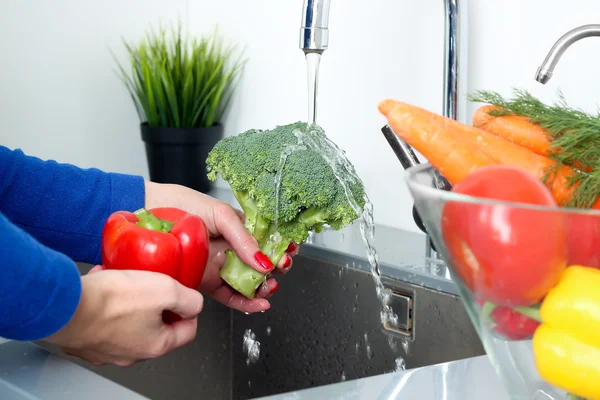
For those working in kitchens, catering, or health and social care, focusing on the basics—cleaning, separating, cooking, proper storage, and responsible sourcing—should become habitual.
WHO’s Broader Work on Food Hygiene and Safety
Beyond the definition of food hygiene according to WHO, the organisation also addresses broader food safety issues globally. They:
- Assist countries in establishing effective national food control systems, including rules, evaluations, and standards.
- Monitor global threats of foodborne diseases and provide guidance on prevention and control.
- Develop clear, easy-to-follow public health guidance, such as the Five Keys to Safer Food, to help everyone—from manufacturers to home cooks—understand the precautions needed.
- Collaborate with the Food and Agriculture Organisation (FAO) and other partners to develop international standards, including the Codex Alimentarius, enhancing food safety and fair trade.
In doing so, WHO ensures that food hygiene is not just a local concern, but part of a global system that protects health, strengthens trade, and fosters confidence in food systems.
The Five Essential Principles of Food Hygiene by WHO
To implement these recommendations in daily practice, WHO advocates five essential principles, which are the foundation of safe food handling in all settings, including commercial kitchens, care facilities, community activities, and home kitchens:
- Keep Clean – Clean hands, equipment, and surfaces are crucial. Regular handwashing, sanitising worktops, and preventing pests are all part of this principle.
- Separate Raw and Cooked Food – Raw meat, seafood, or eggs can carry pathogens. Keeping them separate from ready-to-eat or cooked foods reduces contamination risk.
- Cook Thoroughly – Ensuring food is cooked completely (especially poultry, meat, and eggs) and reheated to safe temperatures protects against harmful microbes.
- Keep Food at Safe Temperatures – Proper chilling, avoiding prolonged periods in the danger zone (approximately 5°C to 60°C), and keeping hot food hot before serving are essential.
- Use Safe Water and Raw Materials – Water used in food preparation must be safe, raw ingredients should be fresh and from reliable sources, and food beyond its use-by date or showing signs of spoilage must be discarded.
These principles serve as a practical checklist for safe food handling in professional and domestic settings.
So, what is the definition of hygiene according to WHO? Hygiene involves all measures and practices that protect food from contamination and ensure it is safe to eat. Similarly, what is the definition of food according to WHO? Food is any substance consumed to provide nutritional support and maintain life, which must also meet standards of safety, quality, and wholesomeness.
Applying WHO’s Five Principles in Real-World Settings
The definition of food hygiene according to WHO is the conditions and measures necessary to ensure the safety of food from production to consumption. Proper food hygiene prevents contamination, foodborne diseases, and protects public health. Understanding this helps anyone handling food, from professional chefs to parents at home, to ensure meals are safe and nutritious.
What is the definition of food according to WHO? WHO defines food as any substance, whether processed, semi-processed, or raw, that is intended for human consumption. This broad definition underlines the importance of hygiene at every stage, whether cooking a simple family meal or managing a large-scale catering operation.
The WHO’s five principles of food hygiene, also known as the five keys to safer food, provide simple, practical steps that can be applied in any setting where food is handled. They are not just theoretical guidelines—they are actionable steps that make food safer and more professional, whether you are a restaurant chef, a care assistant serving residents, or a parent cooking for children.
The following describes how each principle is used in everyday settings and how simple practices can make a significant impact.
1. Staying Clean — Building Habits That Protect Everyone
Hygiene begins even before the first ingredients are prepared. Staying clean involves washing hands before food preparation, after handling raw food, after using the toilet, or dealing with waste.

In commercial kitchens, this principle extends to adopting a “clean as you go” policy: sanitising counters and utensils after each task, laundering uniforms and aprons regularly, and sanitising cloths, sponges, and sinks daily.
Making cleaning proactive, rather than reactive, stops germs such as Salmonella and Listeria from spreading and protects vulnerable groups like children, the elderly, and people with weakened immune systems.
2. Understanding the Importance of Food Segregation to Prevent Cross-Contamination
Cross-contamination is one of the leading causes of foodborne illness. It occurs when germs from raw food are transferred to other foods.
Food segregation can be achieved with colour-coded chopping boards and knives: red for raw meat, green for vegetables, blue for fish, and so on. In fridges, raw ingredients should be stored on the bottom shelf to prevent drips from contaminating cooked food above.
Separate utensils and plates for raw and cooked food should always be used. Never reuse marinades from raw meat unless they are boiled first. These simple measures require minimal equipment but greatly reduce the risk of contamination.
3. Cooking Food to Safe Temperatures
Partially cooked food is dangerous because invisible pathogens like E. coli and Campylobacter can survive and cause illness.
Cooking food to safe temperatures means ensuring the centre of poultry and reheated meals reaches 75 °C. Soups, stews, and similar dishes should be boiling throughout, not just on the surface.
Never start a meal and “finish it later,” as partially cooked food allows bacteria to multiply. In professional kitchens, proper cooking is both a legal and health obligation, ensuring safety and peace of mind for clients.
4. Keeping Food at Safe Temperatures — Cold Means Cold, Hot Means Hot
Bacteria multiply fastest between 5 °C and 60 °C. Maintaining safe temperatures is one of the most important food hygiene rules.
In restaurants and catering environments:
- Refrigerators should be set at 5 °C or below.
- Hot food should be kept above 63 °C until served.
- Cooked food should be cooled within two hours to prevent bacterial growth.
For packed lunches, deliveries, or buffets, insulated containers, ice packs, or similar methods help maintain safe temperatures, protect customers, and reduce food waste.
5. Using Safe Water and Unprocessed Materials — The Foundation of Good Food
Water is a frequently underestimated hazard. Using clean, potable water for cooking, washing ingredients, and cleaning equipment is essential.
Other measures include:
- Purchasing from reputable suppliers who follow hygiene standards.
- Observing use-by dates and storing perishable items correctly.
- Discarding any food that looks, smells, or feels spoiled.
This principle applies from local kitchens to global supply chains. Using contaminated water or unsafe ingredients can have far-reaching consequences. Following the fifth principle ensures food safety from the very beginning.
Why These Principles Work
The simplicity of the WHO approach is its strength. The five principles can be taught in minutes, yet they address the root causes of foodborne illnesses. They complement professional systems like HACCP (Hazard Analysis and Critical Control Points), creating a baseline for everyone—from industry professionals to families.
Adopting these habits fosters a mindset where hygiene is a priority, proving that every kitchen, large or small, can produce safe, high-quality food.
Global Challenges and the Future of Food Hygiene
The principles of food hygiene laid down by the World Health Organization may be simplified; however, implementing them globally remains a significant challenge. The definition of food hygiene according to WHO emphasises the conditions and measures necessary to ensure that food is safe to eat from production to consumption. Despite their simplicity, factors such as infrastructural inconsistencies, rapid urbanisation, complex global supply chains, and limited access to potable water all contribute to ongoing food safety challenges.
In the informal sectors of developing countries, foodborne illnesses are often linked to poor sanitation and a lack of refrigeration. In more affluent nations, safety issues and complacency can arise within automated food supply chains, where a single lapse in oversight may affect hundreds of thousands of people.
WHO's broader work on food hygiene involves collaboration with international bodies and national governments to strengthen food control systems and enhance food safety surveillance. Public education remains a critical component of this effort, ensuring that safe, wholesome, and high-quality food is accessible to all, regardless of geographical location.
WHO's Ongoing Work with Food Hygiene
Working with food hygiene is a small but vital part of protecting health and promoting well-being within the WHO's mission. The definition of food hygiene according to WHO emphasises the measures and conditions necessary to ensure that food is safe to eat, from production to consumption.
The Food and Agriculture Organization (FAO) has helped establish global standards, such as the Codex Alimentarius, which serves as the international reference for food safety, hygiene, and quality.
WHO's broader work on food hygiene includes running large global awareness campaigns, such as the Five Keys to Safer Food initiative. This campaign provides communities with the fundamental principles of food hygiene through simple posters, educational materials, and school programmes.
In emergencies, including natural disasters and disease outbreaks, WHO assists countries in restoring safe food and water supplies and hygiene practices, ensuring that systems which normally protect public health are not compromised.
Food hygiene is not a privilege; it is an essential element of public health and global safety.
What We Can Learn and Work On for the Local Area
While the WHO's focus is global, it equally applies at the local level. Every food handler, teacher, adult daycare manager, and hospitality worker acts as a local ambassador for these principles. The definition of food hygiene according to WHO emphasises the measures and conditions necessary to ensure food is safe to eat, from production to consumption, making this responsibility relevant in every community.

This means:
- Following Food Standards Agency hygiene regulations.
- Completing properly aligned, accredited food hygiene training.
- Recording cleaning and safety check routines, as well as storage temperatures.
- Creating a team culture where hygiene is seen as a collective responsibility.
The value of health, responsibility, and professionalism is clearly visible when the WHO framework is adopted, and maintaining the safety of community food products helps build trust within the local environment.
Conclusion: Food Hygiene as a Shared Duty
The World Health Organisation defines food hygiene as a joint duty of governments, industries, and individuals, asking all to ensure that food is safe to handle, properly stored, and prepared with care. The definition of food hygiene according to WHO highlights the importance of these measures in preventing contamination and protecting public health.
Keeping clean, separating raw and cooked food, cooking thoroughly, maintaining safe temperatures, and using safe water and safe raw materials are indispensable. According to WHO, these are the five guiding principles of food safety. They are powerful tools for preventing illness and saving lives worldwide.
Whether you own a restaurant, work in healthcare, or prepare meals for your family, these principles are fundamental in preventing contamination and illness. Implementing them makes the world a safer, healthier place—one meal at a time.
It starts with you. Safe food begins with you. It is everyone’s responsibility.