Job Interview Skills
- Lifetime Access
- All Levels
- PDF Certificate
Learn with Confidence



Overview
Job Interview Skills
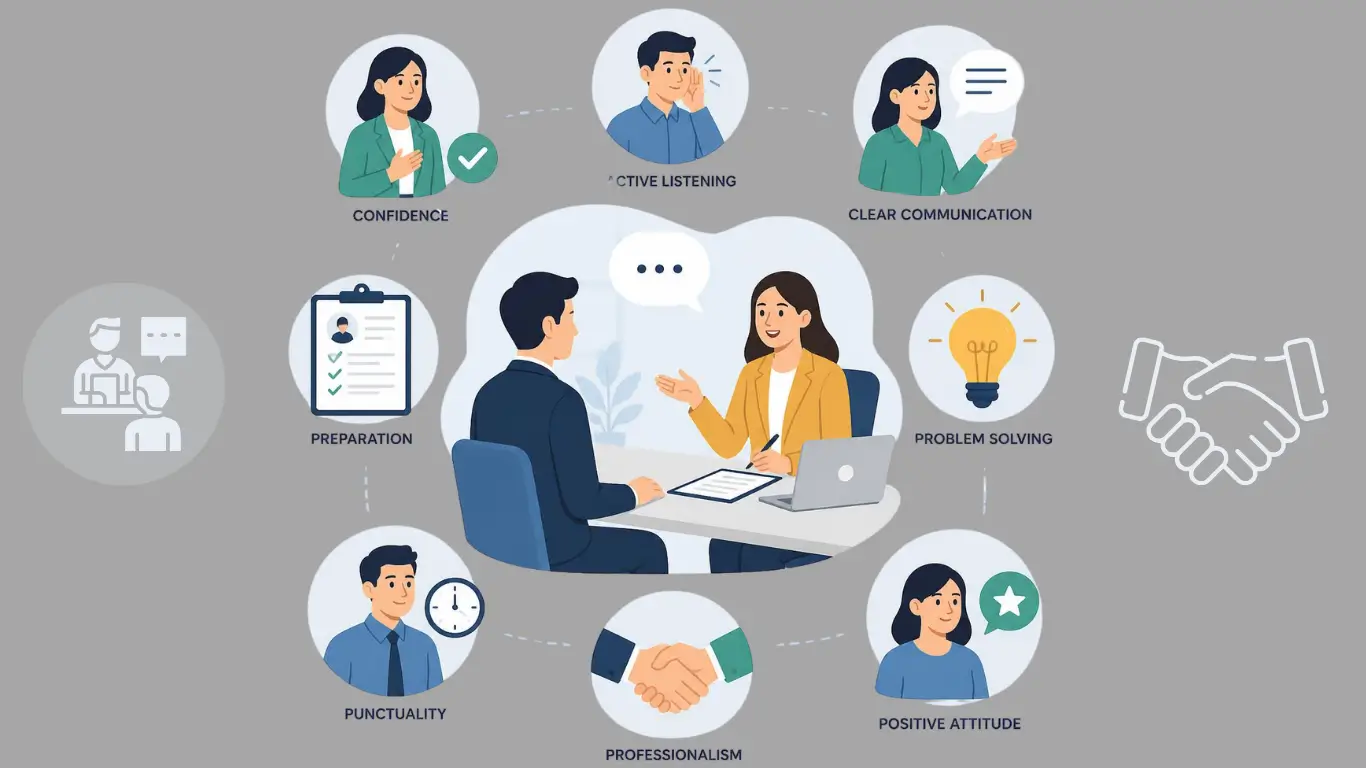
Job Interview Skills is a practical course helping learners prepare for recruitment, job searching and interviews. It covers understanding job adverts, extracting information, writing CVs and resumes, creating Canva and video CVs, preparing cover letters and proofreading applications. Learners also explore job hunting methods, networking, technology, Boolean searches, LinkedIn and employer research. The interview-focused curriculum examines body language, interview etiquette, common questions, difficult situations, pre-interview anxiety, SWOT and BCG analysis, and salary expectations. This job interview skills training course is relevant to students, graduates, career changers and job seekers who want structured knowledge for approaching recruitment and interviews with confidence.
- Understanding job adverts and extracting relevant information
- CV, resume, cover letter and proofreading techniques
- Job hunting, networking, Boolean searches and LinkedIn
- Interview etiquette, body language and communication
- Common interview questions, challenging situations and salary expectations
Course Overview
Job Interview Skills provides structured knowledge for navigating key stages of the recruitment process, from interpreting job adverts and preparing applications to researching employers and responding to interview questions. Learners study CV and resume writing, cover letters, proofreading, networking, Boolean searches, LinkedIn, Monster, Dice and Glassdoor, alongside face-to-face, video and telephone interview etiquette. The course is relevant to students, graduates, career changers and job seekers across many sectors because recruitment processes commonly require clear applications, employer research and effective interview communication. The curriculum may also interest learners exploring recruitment, human resources or careers-related work, where understanding applications and interviews can provide useful foundational knowledge. The course does not guarantee employment or replace role-specific qualifications, professional training or relevant experience. Instead, it brings together job interviewing skills and techniques that learners can apply when preparing applications, searching for opportunities, practising responses and approaching recruitment conversations with greater structure and awareness overall.
Description
This job interview skills training course takes learners through a broad recruitment and interview curriculum. It begins with job adverts, CV and resume writing, cover letters, proofreading and digital CV tools, then progresses into job hunting, networking, Boolean searches, LinkedIn and employer research. Later modules concentrate on interview preparation, body language, etiquette and common questions about strengths, weaknesses, motivation, work style and career plans. Learners also explore challenging situations, pre-interview anxiety, SWOT and BCG analysis, unanswered questions, verbal slips and salary expectations. The curriculum provides a structured foundation for developing job interviewing skills and preparing for different recruitment conversations.
Course Curriculum
Module 1: Introduction to Recruitment and Interview
Introduces the recruitment process and the role of interviews within job seeking.
Main learning topics: Recruitment; interviews; job seeking; recruitment process.
Module 2: Understanding Job Adverts
Explores how learners can understand and interpret information presented in job adverts.
Main learning topics: Job adverts; vacancy information; job requirements; advert interpretation.
Module 3: Practical – Extracting Information from Job Advert
Provides practical learning focused on extracting relevant information from job adverts.
Main learning topics: Information extraction; job adverts; vacancy details; practical analysis.
Module 4: Resume Writing CV Writing
Introduces resume and CV writing as important parts of preparing job applications.
Main learning topics: Resume writing; CV writing; application documents; candidate presentation.
Module 5: Practical – CV Writing
Provides practical focus on preparing a CV for employment applications.
Main learning topics: CV preparation; CV structure; application writing; practical CV work.
Module 6: Canva CV and Video CV Tutorial
Introduces Canva CVs and video CVs as alternative approaches to presenting professional information.
Main learning topics: Canva CV; video CV; digital presentation; CV creation.
Module 7: Resume CV Writing Difference Between Fresher vs Experienced Job Seekers
Explores differences in resume and CV writing for fresher and experienced job seekers.
Main learning topics: Fresher CVs; experienced CVs; resume writing; candidate experience.
Module 8: Cover Letter
Introduces the cover letter and its role within a job application.
Main learning topics: Cover letters; applications; written communication; candidate presentation.
Module 9: Resume and Cover Letter Proofreading Techniques
Covers techniques for reviewing resumes and cover letters before submission.
Main learning topics: Proofreading; resumes; cover letters; application accuracy.
Module 10: Jobscan Resume Scanner Tutorial
Introduces the Jobscan resume scanner as a tool connected with resume preparation.
Main learning topics: Jobscan; resume scanning; CV review; digital tools.
Module 11: Job Hunting Methods
Explores different approaches learners can use when searching for employment.
Main learning topics: Job hunting; vacancy searches; employment opportunities; search methods.
Module 12: Job Search Through Informational Interview
Examines informational interviews as one method of supporting a job search.
Main learning topics: Informational interviews; job searching; professional conversations; employment research.
Module 13: Building Network
Focuses on developing professional networks as part of job-search activity.
Main learning topics: Networking; professional contacts; relationships; job search.
Module 14: Leveraging Technology for Job Search
Explores how technology can support modern job-search activities.
Main learning topics: Technology; job search; digital tools; employment opportunities.
Module 15: Boolean Technology for Job Search
Introduces Boolean technology as a technique for searching for job opportunities.
Main learning topics: Boolean technology; search techniques; keywords; job searches.
Module 16: Use LinkedIn Like a Pro
Focuses on using LinkedIn as part of professional networking and job searching.
Main learning topics: LinkedIn; professional profiles; networking; job searching.
Module 17: Monster Masterclass
Introduces Monster and its use within the job-search process.
Main learning topics: Monster; job vacancies; online job searching; recruitment platforms.
Module 18: Dice Masterclass
Introduces Dice as a platform relevant to job searching.
Main learning topics: Dice; job searches; vacancies; recruitment platforms.
Module 19: Research the Company
Explores company research as an important part of interview preparation.
Main learning topics: Company research; employers; preparation; organisational information.
Module 20: Glassdoor Masterclass
Introduces Glassdoor as a resource connected with company research and job searching.
Main learning topics: Glassdoor; company research; employer information; job searches.
Module 21: Handling Interview Flutter
Addresses interview flutter and situations involving nervousness or uncertainty during interviews.
Main learning topics: Interview flutter; nervousness; interview preparation; confidence.
Module 22: ABCDEF Solution for Pre-Interview Anxiety
Introduces the ABCDEF solution for approaching pre-interview anxiety.
Main learning topics: ABCDEF solution; pre-interview anxiety; preparation; interview readiness.
Module 23: Body Language and Non-Verbal Communication
Explores body language and non-verbal communication during interviews.
Main learning topics: Body language; non-verbal communication; interview behaviour; communication.
Module 24: Face-to-Face Interview Etiquette
Covers etiquette relevant to face-to-face interviews.
Main learning topics: Face-to-face interviews; etiquette; professional behaviour; communication.
Module 25: Video Interview Etiquette
Focuses on etiquette for video-based job interviews.
Main learning topics: Video interviews; etiquette; online communication; interview behaviour.
Module 26: Telephone Interview Etiquette
Explores appropriate etiquette for telephone interviews.
Main learning topics: Telephone interviews; etiquette; verbal communication; interview behaviour.
Module 27: What to Bring at a Job Interview
Examines what candidates should consider bringing to a job interview.
Main learning topics: Interview preparation; essential items; preparation; interview readiness.
Module 28: What NOT to Bring at a Job Interview
Explores items that candidates should avoid bringing to an interview.
Main learning topics: Interview preparation; inappropriate items; interview etiquette; professional presentation.
Module 29: What NOT to Say
Examines statements and responses that candidates should consider avoiding during interviews.
Main learning topics: Interview responses; communication; inappropriate statements; professional language.
Module 30: Tell Us About Yourself
Focuses on the common interview question asking candidates to introduce themselves.
Main learning topics: Self-introduction; interview questions; personal presentation; responses.
Module 31: Why Do You Want This Job
Explores how candidates can approach questions about their motivation for applying.
Main learning topics: Motivation; job interest; interview questions; responses.
Module 32: Tell Us About Your Strengths
Focuses on questions about a candidate’s strengths.
Main learning topics: Strengths; self-awareness; interview questions; responses.
Module 33: Tell Us About Your Weaknesses
Explores questions concerning weaknesses and how candidates may approach them.
Main learning topics: Weaknesses; self-awareness; interview questions; responses.
Module 34: What Is Your Work Style
Focuses on interview questions about an individual’s work style.
Main learning topics: Work style; working preferences; interview questions; responses.
Module 35: Why Are You Leaving Your Present Job
Explores questions about reasons for leaving a current or previous position.
Main learning topics: Career changes; employment history; interview questions; responses.
Module 36: What Did You Like Least About Your Last Job
Focuses on questions concerning less positive experiences in previous employment.
Main learning topics: Previous employment; workplace experiences; interview questions; responses.
Module 37: What Do You Think of Your Previous Boss
Explores how candidates may approach questions about previous managers or supervisors.
Main learning topics: Previous bosses; workplace relationships; interview questions; responses.
Module 38: What’s Your Ideal Company
Focuses on questions about the type of company or workplace a candidate prefers.
Main learning topics: Ideal company; workplace preferences; employer fit; interview questions.
Module 39: Why Do You Want to Work at This Company
Explores questions about motivation to work for a particular organisation.
Main learning topics: Company motivation; employer research; interview questions; responses.
Module 40: Why Should We Hire You
Focuses on questions about a candidate’s suitability for a role.
Main learning topics: Candidate suitability; strengths; value; interview responses.
Module 41: Where Do You See Yourself in the Next Five Years
Explores questions about future career direction and professional goals.
Main learning topics: Career goals; future plans; professional direction; interview questions.
Module 42: How Do You Deal With People Who Irritate You at Work
Focuses on interview questions involving difficult workplace interactions.
Main learning topics: Workplace relationships; difficult people; communication; interview responses.
Module 43: How Did You Handle a Mistake
Explores questions about mistakes and how candidates describe their responses to them.
Main learning topics: Mistakes; workplace situations; problem responses; interview questions.
Module 44: How Do You Handle Disagreement With Supervisor
Focuses on questions involving disagreement with supervisors.
Main learning topics: Supervisors; disagreement; workplace communication; interview responses.
Module 45: One Thing You Wouldn’t Want Me to Know
Explores an unusual and potentially challenging interview question.
Main learning topics: Difficult questions; unexpected questions; interview responses; preparation.
Module 46: Sell Me This Pen
Introduces the “sell me this pen” style of interview question.
Main learning topics: Persuasive responses; product selling; interview questions; communication.
Module 47: What If You Can’t Answer a Question
Explores how candidates can approach situations where they cannot immediately answer an interview question.
Main learning topics: Difficult questions; unanswered questions; responses; interview communication.
Module 48: Handling Slip of Tongue During a Job Interview
Focuses on handling a verbal slip during an interview.
Main learning topics: Verbal mistakes; interview communication; recovery; interview responses.
Module 49: Finding Answers Using SWOT Analysis
Introduces SWOT analysis as a framework for developing interview answers.
Main learning topics: SWOT analysis; interview preparation; answer development; analysis.
Module 50: Finding Answers Using the BCG Analysis
Introduces BCG analysis as a framework for finding and structuring answers.
Main learning topics: BCG analysis; answer development; interview preparation; analysis.
Module 51: Do You Have Any Questions for Us
Focuses on the common closing question about whether the candidate has questions for the employer.
Main learning topics: Candidate questions; employer questions; interview closing; preparation.
Module 52: What Are Your Salary Expectations
Explores how candidates can approach questions about salary expectations.
Main learning topics: Salary expectations; interview questions; compensation discussions; responses.
Who Is This Course For?
Students and Graduates: The course is particularly relevant to students and graduates looking to develop job interview skills for students and prepare for recruitment processes.
Job Seekers: Individuals actively looking for employment can explore CV writing, job adverts, job-hunting methods, networking, employer research and interview preparation.
Career Changers: People moving towards a new career can use the curriculum to strengthen their application preparation and interview approach.
Freshers: Learners entering the job market can explore the specific differences between CV and resume writing for fresher and experienced candidates.
Experienced Professionals: Existing job seekers can refresh their application and interview knowledge, particularly around employer research, interview questions and salary expectations.
Learners Preparing for Interviews: Anyone seeking structured job interview skills training can explore body language, non-verbal communication, interview etiquette and challenging interview questions.
Recruitment and HR Aspirants: Learners interested in recruitment or human resources may find the recruitment, job advert, application and interview content useful as foundational knowledge. The National Careers Service describes recruitment consultants as people who help employers find staff and match candidates with temporary and permanent jobs.
Requirements
No formal entry requirements have been supplied for Job Interview Skills.
The course is based on recruitment, job applications, job searching and interviews, so learners can review the curriculum according to their individual employment goals. No GCSEs, A levels, previous qualifications, work experience, English-language requirements or technical prerequisites have been specified.
Skills You Can Develop
Job Interview Skills — Develop knowledge of interview preparation, etiquette, common questions and challenging interview situations.
CV and Resume Writing — Develop knowledge of preparing CVs and resumes for job applications.
Job Advert Analysis — Learn how to identify and extract relevant information from job adverts.
Cover Letter Preparation — Develop understanding of preparing cover letters as part of job applications.
Proofreading Skills — Explore techniques for reviewing resumes and cover letters before submission.
Job Search Skills — Develop knowledge of different methods for identifying employment opportunities.
Professional Networking — Explore approaches to building professional networks for job searching.
Boolean Search Skills — Learn how Boolean technology can support job searches.
LinkedIn Job Search Skills — Develop knowledge of using LinkedIn for professional networking and job searching.
Employer Research — Develop awareness of researching a company before an interview.
Interview Communication — Explore body language, non-verbal communication and different interview formats.
Interview Response Preparation — Develop familiarity with common, difficult and unexpected interview questions.
Salary Discussion Awareness — Develop knowledge of questions concerning salary expectations during recruitment.
Learning Outcomes
By the end of the course, learners should be able to:
- Understand the fundamentals of recruitment and job interviews.
- Identify important information within job adverts.
- Explain key principles of CV and resume writing.
- Describe the purpose of cover letters and proofreading techniques.
- Identify different methods of job hunting and professional networking.
- Use knowledge of Boolean technology and LinkedIn for job-search activities.
- Explain appropriate etiquette for face-to-face, video and telephone interviews.
- Prepare structured responses to common job interview questions.
- Recognise approaches for handling difficult interview situations and unanswered questions.
- Analyse interview preparation topics including employer research, SWOT analysis, BCG analysis and salary expectations.
Career Paths
Recruitment Consultant
Typical UK Salary: £25,000–£40,000 per year, according to the National Careers Service.
How the course is relevant: The curriculum covers recruitment, job adverts, applications, job hunting, networking and interviews. These areas can provide useful foundational knowledge for learners exploring recruitment consultancy. The role itself may require additional workplace experience, training or employer-specific requirements.
Human Resources Officer
Typical UK Salary: £24,000–£40,000 per year, according to the National Careers Service.
How the course is relevant: HR officers can be involved in recruiting employees, while this course covers recruitment, job adverts, applications and interviews. These topics may provide useful foundational knowledge for someone exploring HR. The National Careers Service lists university, college, apprenticeship and work-based routes into HR, with employers setting requirements for individual roles.
Careers Adviser
Typical UK Salary: £25,000–£40,000 per year, according to the National Careers Service.
How the course is relevant: The course covers job searching, applications, networking and interview preparation, which are relevant areas for learners interested in employment and career-development environments. However, careers adviser roles have their own training pathways and requirements, so this course should not be treated as a professional qualification for the occupation.
Recruitment and Employment Support Roles
Typical UK Salary: Varies according to the specific role, employer, location and experience.
How the course is relevant: Job advert analysis, CV preparation, job-search methods, networking, employer research and interview skills are relevant across recruitment and employment-support environments. The course can provide foundational knowledge for learners exploring these areas, but individual vacancies may require additional qualifications, experience or training.
Salary figures are indicative rather than guaranteed earnings. Actual pay can vary according to experience, location, employer, qualifications and the specific position.
FAQs
What are job interview skills?
Job interview skills are the knowledge and techniques used to prepare for and participate in recruitment interviews. This course covers interview preparation, communication, etiquette, common questions, employer research and challenging situations.
What does the Job Interview Skills course cover?
The course covers recruitment, job adverts, CV and resume writing, cover letters, proofreading, job hunting, networking, Boolean searches, LinkedIn, Monster, Dice, Glassdoor, employer research, interview etiquette, common questions, SWOT and BCG analysis and salary expectations.
Is this job interview skills training course suitable for students?
Yes. The curriculum includes job interview skills for students and covers CV preparation, job searching, networking, employer research and interview preparation.
What are good job interview skills to develop?
Good job interview skills covered by the course include preparation, employer research, body language, non-verbal communication, interview etiquette, answering common questions and handling difficult interview situations.
Does this course teach job interviewing skills and techniques?
Yes. The course covers face-to-face, video and telephone interview etiquette, body language, pre-interview anxiety, common questions, difficult questions, SWOT analysis, BCG analysis and salary expectations.
Can this course help with CV and job-search preparation?
Yes. The curriculum includes CV and resume writing, Canva CVs, video CVs, proofreading, Jobscan, job hunting, informational interviews, networking, Boolean searches, LinkedIn, Monster, Dice and Glassdoor.
Can this course guarantee employment?
No. The course provides structured knowledge and techniques related to job applications, job searching and interviews, but employment depends on individual circumstances, employer requirements, vacancies, qualifications, experience and recruitment decisions.
Course Content
Introduction to Career Hacking and Job Interview
-
Introduction to Recruitment and Interview
00:00 -
Understanding Job Adverts
00:00 -
Practical – Extracting Information from Job Advert
00:00
The Complete Resume
Job Search
Mastering Technology for Job Search
Interview Preparation Hacks
Interview Etiquette
Ace Interview Questions
Advanced Techniques to Answer Questions
Turning the Tables

Hear from Our Successful Learners


The experience has been excellent from the start to the present. The support team is proactive and always helpful with any queries or requests.

I've taken several courses through Reed and have been completely satisfied with each one. The pricing is outstanding.

I've completed numerous courses through Reed and have been fully satisfied with each one. The courses are excellent.

I'm truly impressed by One Education's remarkable ability to understand its learners and go the extra mile for them.

I had been searching for a Level 3 course for a while—it felt like mission impossible. Discovering that Reed offers a wide range of career-focused providers was a pleasant surprise.

The course was incredibly insightful and easy to navigate. I truly enjoyed it—thank you so much.


Booking was simple and the course content was clear and well structured from day one.

Great value for money and the certificate arrived quickly after I finished my assessment.

Customer support answered my questions the same day. Would definitely recommend to a friend.

Flexible learning that fit around my job. The video lessons were easy to follow.

Second course I've taken with them now. Consistent quality every time.

Clear instructions, fair pricing, and the exam prep really helped me pass first time.
Frequently Asked Questions
Get Your Certificate Today
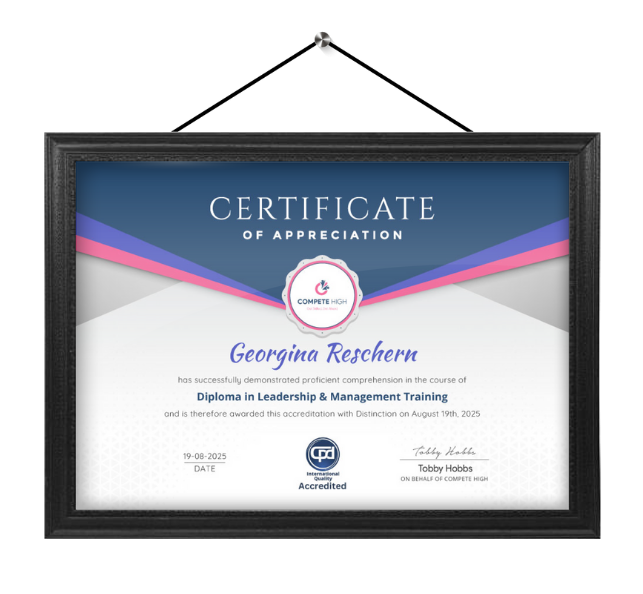
Celebrate your achievement with a CPD-IQ accredited certificate from Compete High! Perfect for showcasing your skills, boosting your career, and enhancing your professional profile. Choose the format that works best for you: PDF Certificate (£9.99) – Download instantly to add to your portfolio, résumé, LinkedIn, or share on social media. Printed Hard Copy (£29.99) – A beautifully designed certificate delivered to your door, ready to proudly display in your office or home. Both PDF & Printed Hard Copy (£31.99) – Get the best of both worlds!
Order Now