Small Business Accounting
SPRING SUPER SALE! 1500+ COURSES AT ONLY £99 FOR LIFE. FIND OUT MORE
Small Business Accounting
Small Business Accounting is a practical course designed to help you develop the knowledge and skills needed to understand, organise, record, and manage financial information within a small business environment. Whether you are a business owner, aspiring entrepreneur, administrator, finance professional, or someone looking to strengthen your accounting knowledge, this Small Business Accounting course provides a structured introduction to essential accounting principles and everyday financial processes.
Effective accounting is one of the foundations of a successful small business. Understanding where money comes from, where it goes, what a business owns and owes, and how financial performance changes over time can help support better decision-making. This Small Business Accounting training takes you through the core areas of accounting, from setting up accounting systems and recording transactions to preparing financial statements, creating budgets, forecasting future performance, and understanding taxation considerations.
The course focuses on practical learning outcomes. Instead of simply introducing accounting terminology, Small Business Accounting helps you understand how financial information can be organised and used to support business operations. You will develop knowledge that can be applied to bookkeeping tasks, financial administration, business planning, budgeting, reporting, and day-to-day financial management.
By completing this Small Business Accounting course, you can build a stronger foundation for working with business finances and develop greater confidence when handling common accounting activities.
What You Can Gain From Small Business Accounting
Through this Small Business Accounting course, you can develop the ability to:
-
Understand the fundamental principles of small business accounting.
-
Recognise the importance of accurate financial records.
-
Understand how accounting systems are established and maintained.
-
Identify common financial transactions within a small business.
-
Understand how transactions are recorded and organised.
-
Develop awareness of financial statements and what they communicate.
-
Understand the role of budgeting in business planning.
-
Explore forecasting techniques and financial projections.
-
Develop awareness of taxation considerations for small businesses.
-
Use accounting information to support better business decisions.
-
Communicate more confidently about business finances.
-
Build a foundation for further accounting and finance education.
-
Apply accounting knowledge to entrepreneurial and administrative environments.
The course is designed around practical outcomes, making it suitable for learners who want to understand how Small Business Accounting works in real-world business situations.
Description
Small Business Accounting is an essential area of knowledge for anyone involved in running, supporting, or managing a small business. Financial information influences almost every aspect of business activity, including purchasing, pricing, staffing, budgeting, investment, cash management, planning, and growth.
Without a clear understanding of accounting, business owners and employees may struggle to determine whether the organisation is performing effectively. Small Business Accounting provides the foundation needed to understand financial information and recognise how accounting processes contribute to sound business management.
This comprehensive Small Business Accounting course covers six key modules, providing a logical learning journey from accounting fundamentals through to taxation.
You will begin with an introduction to Small Business Accounting, where you will establish an understanding of the role accounting plays in business. You will then learn about setting up accounting systems and explore how financial transactions can be recorded accurately.
As you progress, the course introduces financial statements, helping you understand how accounting information can be presented and interpreted. You will then explore budgeting and forecasting, two important areas for planning and financial control. The final module introduces taxation for small businesses, helping you develop awareness of the role tax considerations can play in business finances.
The aim of this Small Business Accounting course is to help you move from basic awareness to practical understanding. By completing each module, you can build a stronger foundation for handling financial information and supporting accounting-related activities within a small business.
What Is Small Business Accounting?
Small Business Accounting refers to the processes involved in recording, organising, analysing, and reporting the financial activities of a small business.
These activities can include tracking income and expenses, recording transactions, monitoring financial performance, preparing financial information, managing budgets, forecasting future finances, and understanding taxation responsibilities.
For a small business owner, accounting information can help answer important questions:
-
How much money is the business generating?
-
What are the main business expenses?
-
Is the business operating within its budget?
-
What financial resources are available?
-
What does the business owe?
-
What does the business own?
-
Is the business financially prepared for future expenses?
-
How might future income and costs affect business plans?
Learning Small Business Accounting can help you understand how financial records provide answers to these questions.
Good accounting practices can also help businesses maintain organised records, monitor performance, identify financial trends, and make more informed decisions.
Module 1: Introduction to Small Business Accounting
The first module establishes the foundation for your Small Business Accounting knowledge.
You will explore the purpose of accounting and understand why accurate financial information is important for small businesses. This module introduces the core concepts you need before progressing to accounting systems, transactions, financial statements, budgeting, and taxation.
You will develop an understanding of the relationship between accounting and business management and explore how financial information can support everyday decision-making.
What You Can Gain
After completing this module, you can:
-
Understand the purpose of small business accounting.
-
Recognise the importance of accurate financial records.
-
Develop awareness of basic accounting terminology.
-
Understand how accounting supports business decisions.
-
Recognise the relationship between financial information and business performance.
-
Build a foundation for the remaining course modules.
This introductory knowledge can help you approach financial information with greater confidence.
Module 2: Setting Up Accounting Systems
A reliable accounting system can help a small business maintain organised and accessible financial information.
In this module, you will explore the principles involved in establishing accounting systems suitable for small business operations. You will develop awareness of how financial information can be organised and how consistent processes can support accurate record keeping.
The module helps you understand the importance of selecting appropriate methods, maintaining organised records, and creating processes that support everyday accounting activities.
What You Can Gain
By completing this module, you can:
-
Understand the purpose of an accounting system.
-
Recognise the components of a basic accounting system.
-
Understand how accounting information can be organised.
-
Develop awareness of consistent financial record-keeping processes.
-
Understand why accuracy and organisation are important.
-
Build knowledge that can support small business bookkeeping activities.
This module is particularly useful for business owners and administrators who need to understand how accounting processes fit into everyday operations.
Module 3: Recording Financial Transactions
Financial transactions are at the centre of Small Business Accounting. Businesses constantly receive income, purchase goods and services, pay expenses, receive payments, and make other financial transactions.
This module helps you understand how these activities are recorded and why accurate transaction records are essential.
You will develop awareness of the different types of financial transactions that can occur within a small business and explore the principles involved in recording them.
Your Learning Outcomes
You can develop the ability to:
-
Understand common small business financial transactions.
-
Recognise the importance of accurate transaction recording.
-
Understand how income and expenses are documented.
-
Organise financial information more effectively.
-
Recognise potential errors and inconsistencies in financial records.
-
Understand how transaction records contribute to wider financial reporting.
Accurate transaction recording provides the foundation for financial statements, budgeting, forecasting, and other accounting activities.
Module 4: Financial Statements
Financial statements provide valuable information about a business’s financial position and performance.
This module introduces you to the purpose of financial statements and helps you understand how financial information can be presented in a structured format.
You will explore how financial statements can help business owners and other stakeholders understand financial performance, resources, obligations, income, and expenditure.
What You Can Gain
Through this module, you can:
-
Understand the purpose of financial statements.
-
Recognise the types of information presented in financial reports.
-
Develop awareness of business income and expenditure reporting.
-
Understand the importance of accurate financial information.
-
Recognise how financial statements support decision-making.
-
Develop confidence when discussing basic business financial reports.
Understanding financial statements can help you move beyond simply recording transactions and begin to understand what those transactions mean for overall business performance.
Module 5: Budgeting and Forecasting
Successful Small Business Accounting involves looking beyond historical financial information. Businesses also need to plan for future income, expenses, opportunities, and challenges.
This module focuses on budgeting and forecasting and helps you understand how businesses can use financial information to plan ahead.
You will explore the role of budgets in financial control and develop awareness of how forecasts can help businesses anticipate potential future financial outcomes.
What You Can Gain
After completing this module, you can:
-
Understand the purpose of a business budget.
-
Recognise how budgeting supports financial planning.
-
Understand the relationship between income and expenditure.
-
Explore the purpose of financial forecasting.
-
Recognise how forecasts can support business decisions.
-
Understand how businesses can compare planned and actual financial performance.
-
Develop greater awareness of future financial planning.
These skills can be valuable for entrepreneurs and business administrators because effective budgeting can help businesses plan resources and monitor spending.
Module 6: Taxation for Small Businesses
Taxation is an important consideration for small businesses. This module introduces the role of taxation within small business financial management and helps you understand why businesses need to maintain appropriate financial records and remain aware of relevant tax obligations.
The focus is on building general awareness rather than providing personalised tax or legal advice.
What You Can Gain
By completing this module, you can:
-
Understand why taxation is relevant to small businesses.
-
Develop awareness of common taxation considerations.
-
Recognise the importance of maintaining appropriate financial records.
-
Understand how accounting information can support tax-related administration.
-
Develop awareness of the importance of meeting applicable requirements.
-
Recognise when professional tax advice may be appropriate.
Tax rules can vary depending on the business structure, location, circumstances, and applicable legislation. Learners should always obtain appropriate professional advice for their individual tax situation.
Who Is This Course For?
The Small Business Accounting course is suitable for a wide range of learners who want to develop practical financial knowledge.
Small Business Owners
Business owners can use Small Business Accounting knowledge to better understand the financial side of their organisation. The course can help you become more confident when reviewing income, expenses, financial records, budgets, and business reports.
Aspiring Entrepreneurs
If you are planning to start a business, understanding accounting can give you a stronger foundation for managing the financial side of your future organisation.
Administrative Professionals
Administrative staff often support financial record keeping, invoicing, expense tracking, documentation, and other business processes. Small Business Accounting knowledge can complement these responsibilities.
Bookkeeping and Finance Learners
The course can provide foundational knowledge for learners considering further study in bookkeeping, accounting, finance, or business administration.
Managers and Supervisors
Managers can benefit from understanding how financial information relates to operational and business decisions.
Students and Career Changers
If you are exploring a new career direction, Small Business Accounting can provide an introduction to fundamental accounting concepts and help you identify areas for further development.
What Skills Can You Develop?
The Small Business Accounting course is designed to help you develop a range of practical and transferable skills.
Financial Record-Keeping Awareness
You can develop a clearer understanding of why businesses maintain financial records and how these records support wider accounting activities.
Financial Organisation
The course can help you understand how financial information can be structured and organised for easier monitoring and reporting.
Budgeting Knowledge
You can develop awareness of how budgets support business planning, expenditure control, and financial decision-making.
Forecasting Awareness
You will explore how businesses use financial information to consider potential future outcomes and plan accordingly.
Financial Reporting Knowledge
You can develop a better understanding of financial statements and how they communicate information about business performance.
Taxation Awareness
The course provides an introduction to taxation considerations relevant to small business accounting and financial administration.
Business Decision-Making
By understanding financial information, you can become better equipped to recognise how accounting data contributes to business decisions.
How Can Small Business Accounting Support Your Career?
Small Business Accounting knowledge can be useful across many business and finance-related environments.
Depending on your existing qualifications and experience, the knowledge gained from this course can support pathways into areas such as:
-
Bookkeeping
-
Accounting administration
-
Finance administration
-
Business administration
-
Small business management
-
Payroll support
-
Accounts assistance
-
Entrepreneurial business management
-
Financial operations
-
Office administration
The course itself should be viewed as foundational training rather than a substitute for regulated professional accounting qualifications where those are required.
For learners who want to progress further, Small Business Accounting can provide a useful starting point for additional education in bookkeeping, accounting, finance, business management, or taxation.
Why Learn Small Business Accounting?
Financial knowledge can make a significant difference to how confidently you approach business decisions.
You do not need to become a qualified accountant to benefit from understanding Small Business Accounting. Business owners, managers, administrators, entrepreneurs, and professionals can all benefit from understanding the financial information that influences their organisations.
This course provides a structured learning experience covering the complete foundation:
Accounting fundamentals → Accounting systems → Financial transactions → Financial statements → Budgeting and forecasting → Taxation
This progression allows you to build your knowledge step by step.
Instead of learning isolated accounting concepts, you can develop a broader understanding of how different accounting activities connect.
Benefits of Studying Small Business Accounting Online
An online Small Business Accounting course gives you the flexibility to develop your knowledge in a way that can fit around existing commitments.
You can work through the course material at a pace that suits your learning needs while building knowledge across the six core modules.
Online learning can be particularly useful for:
-
Busy professionals
-
Small business owners
-
Entrepreneurs
-
Students
-
Career changers
-
Administrative workers
-
Learners balancing work and study
The structured curriculum means you can progress from introductory concepts to more advanced areas of small business financial management.
Frequently Asked Questions
What is Small Business Accounting?
Small Business Accounting involves recording, organising, monitoring, and reporting the financial activities of a small business. It can include tracking income and expenses, maintaining financial records, preparing financial information, budgeting, forecasting, and understanding taxation considerations.
Why is Small Business Accounting important?
Small Business Accounting is important because accurate financial information can help businesses understand their financial position, monitor performance, manage resources, prepare budgets, plan for the future, and make informed decisions.
Who should study Small Business Accounting?
The course can benefit business owners, entrepreneurs, administrators, managers, aspiring bookkeepers, finance learners, students, and anyone who wants to develop foundational accounting knowledge.
Do I need accounting experience?
No. The Small Business Accounting course is designed to introduce learners to the fundamentals and progressively develop their understanding.
Can I study Small Business Accounting online?
Yes. Online Small Business Accounting training can provide a flexible way to develop accounting knowledge while balancing work, business, or other commitments.
What will I learn in a Small Business Accounting course?
You will study six core areas: introduction to small business accounting, accounting systems, financial transactions, financial statements, budgeting and forecasting, and taxation for small businesses.
Can Small Business Accounting help me run my own business?
The knowledge can help you better understand the financial side of running a business. You can develop awareness of financial records, transactions, budgets, forecasts, financial statements, and taxation considerations. However, professional accounting or tax advice may still be appropriate for complex or individual matters.
Is this course suitable for beginners?
Yes. Small Business Accounting is suitable for beginners who want to establish a foundation in accounting without assuming extensive previous knowledge.
Can Small Business Accounting help with career development?
The course can strengthen foundational accounting knowledge that may be relevant to business administration, bookkeeping support, finance administration, accounts assistance, entrepreneurship, and other business-related roles. Further qualifications and practical experience may be required for specific professional positions.
Will I learn about financial statements?
Yes. Module 4 focuses specifically on financial statements and helps you understand how financial information can be presented and used to understand business performance.
Does the course cover budgeting?
Yes. Module 5 covers budgeting and forecasting, helping you understand how financial planning can support business management and future decision-making.
Does the course cover taxation?
Yes. Module 6 introduces taxation for small businesses and helps you understand why accurate financial records and awareness of applicable tax requirements are important.
Can I use this course to become a qualified accountant?
This course provides foundational Small Business Accounting knowledge. It should not be considered a replacement for professional accounting qualifications or regulated requirements. If your goal is to become a qualified accountant, you should research the relevant professional qualification pathway for your intended career.
What practical benefits can I get from studying Small Business Accounting?
You can develop greater confidence in understanding financial information, organising accounting records, recognising financial transactions, understanding financial statements, planning budgets, exploring forecasts, and understanding taxation considerations.
Start Your Small Business Accounting Journey
Small Business Accounting provides the foundation you need to understand the financial side of a small business.
From learning accounting fundamentals and setting up accounting systems to recording transactions, understanding financial statements, developing budgeting and forecasting knowledge, and exploring taxation, the course gives you a structured pathway through the essential areas of small business finance.
Whether you are an entrepreneur preparing to launch a business, an existing business owner seeking stronger financial knowledge, an administrator looking to expand your skills, or a learner considering a future career in accounting and finance, Small Business Accounting can help you build practical knowledge that you can take into your next professional or business step.
Develop a stronger understanding of your business finances, improve your confidence with accounting concepts, and build a foundation for further learning.
Enrol in Small Business Accounting today and start developing the financial knowledge needed to understand, organise, and manage small business finances more effectively.
Extra Included :
Accredited Certificate Available
Unlimited Access and Retakes
Free Enrollment Letter Included
CPD International Quality Accredited
Meets UK & EU legal requirements
Instant e-certificate and eligibility of ordering hardcopy
Developed by Industry Experts
Learn anytime from anywhere
Use any internet-connected device
24/7 Live Support
Discounts on bulk purchases
Certification
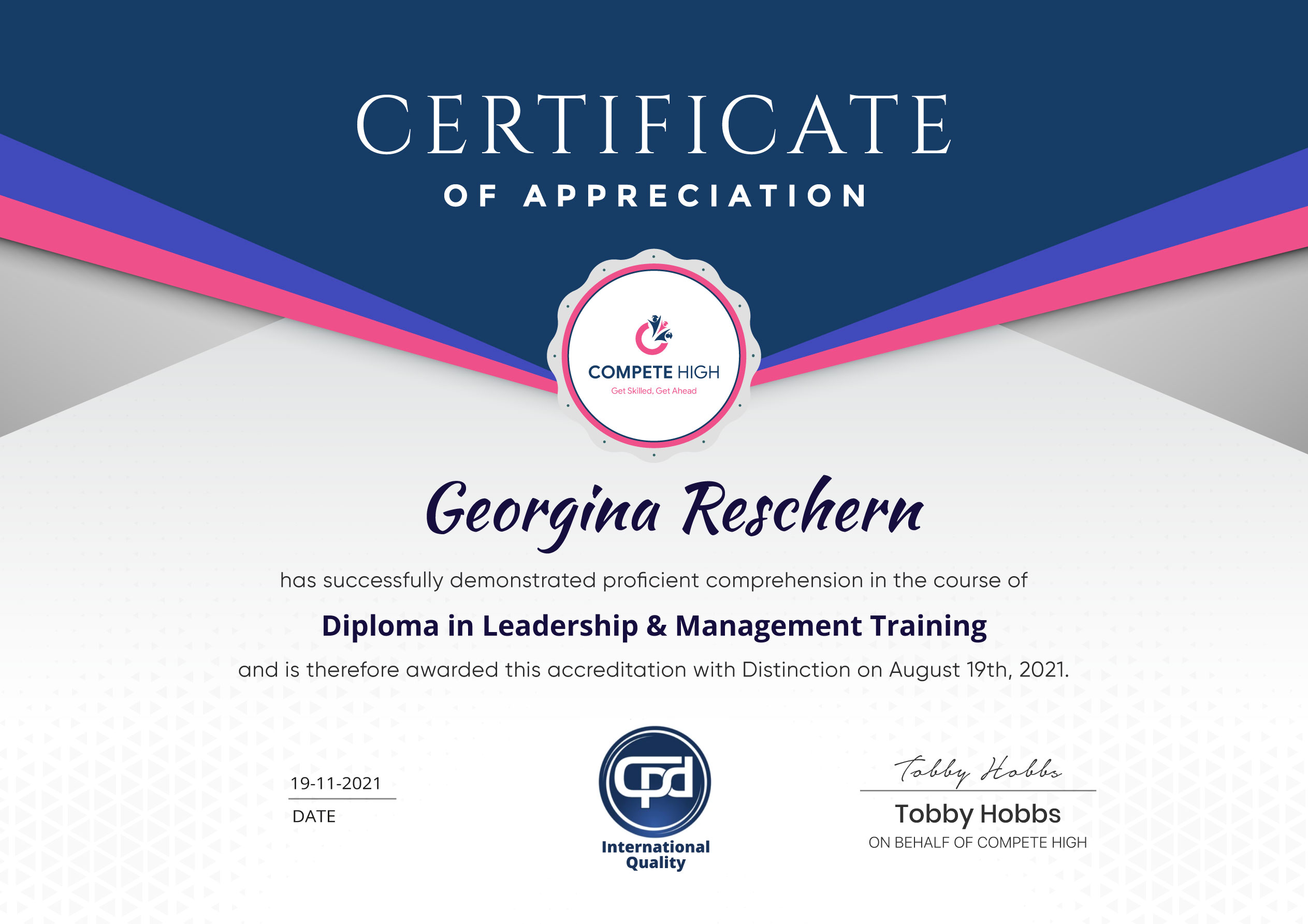
Perfect for showcasing your skills, boosting your career, and enhancing your professional profile.
Choose the format that works best for you:
-
PDF Certificate (£9.99) – Download instantly to add to your portfolio, résumé, LinkedIn, or share on social media.
-
Printed Hard Copy (£29.99) – A beautifully designed certificate delivered to your door, ready to proudly display in your office or home.
-
Both PDF & Printed Hard Copy (£31.99) – Get the best of both worlds!
Anyone that is looking to develop their skills in the subjects of the course or improve their professional outcomes are welcome to take these courses.
Our courses are assured and accredited by several organisations including CPD IQ, IOAS, CPD Group, and more. All of our courses are CPD accredited.
You are eligible for a course certificate upon completion. In some cases, you will need to purchase the certificate. In the purchase details, you will need to include the course details. Or you could also go to this link and submit your details after purchase.
There are all kinds of contents you can find on our site. This includes PDF files, videos, and extra materials. Also, most courses come with assessments that you will need to complete.
All you have to do is buy the course. This means that you have to add the course to cart and then complete the steps to purchase. Once you have completed the purchase, you can find it in your user dashboard.
Course Contents
Course Content
Module 1_ Introduction to Small Business Accounting
-
Introduction to Small Business Accounting
00:00
Module 2_ Setting Up Accounting Systems.
Module 3_ Recording Financial Transactions
Module 4_ Financial Statements
Module 5_ Budgeting and Forecasting
Module 6_ Taxation for Small Businesses
Student Ratings & Reviews



Excellent
4.78 Average 173 Reviews
The courses are informative, easy to follow, and offer a wide range of topics to choose from.
The staff are incredibly friendly and responsive. I'm looking forward to returning for another course!
Thank you! I truly enjoyed my learning experience and found it to be both enriching and rewarding.
An incredibly straightforward course to follow, offering great insight into the subject. Many thanks.
All the courses are easily accessible, straightforward to understand, and highly informative.