Health and Social Care: Complete Guide to Careers, Qualifications, and Professional Development in 2026
Health and Social Care represents the integrated delivery of medical....

Health and Social Care represents the integrated delivery of medical treatment, personal support, and community services that enable individuals to live with dignity and independence. This sector employs over 3 million people across the UK and continues to evolve rapidly with new technologies, workforce models, and patient-centered approaches that are reshaping how care is delivered in 2026.
Key Takeaways
- Health and Social Care integrates medical treatment with personal support services, creating coordinated care pathways for patients across clinical and community settings
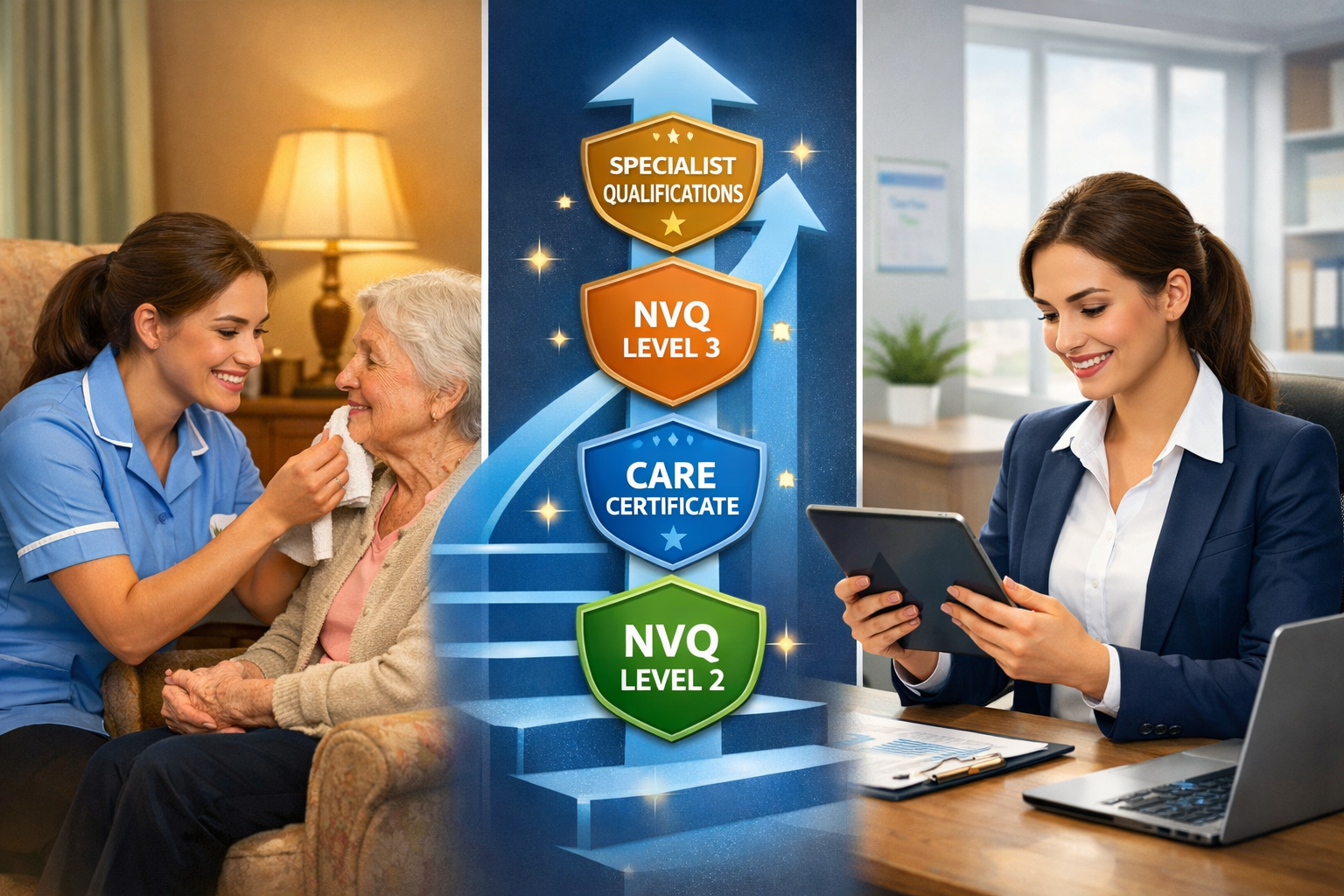
- Entry-level roles require the Care Certificate (Standards 1-15), while career progression demands NVQ/QCF qualifications from Level 2 through Level 5
- The sector faces significant workforce shortages, creating strong demand for qualified professionals across nursing, social work, care assistance, and specialist support roles
- Technology adoption in 2026 includes AI-powered care coordination, telehealth expansion, and hybrid care teams blending virtual and in-person clinicians
- Professional development pathways offer clear progression from care assistant (£19,000-£22,000) to registered manager (£35,000-£50,000) with specialist certifications
- Regulatory compliance requires understanding of CQC standards, safeguarding protocols, and confidentiality requirements that govern all care delivery
- Emerging specializations in mental health support, learning disability services, and dementia care provide targeted career opportunities with competitive salaries
Quick Answer
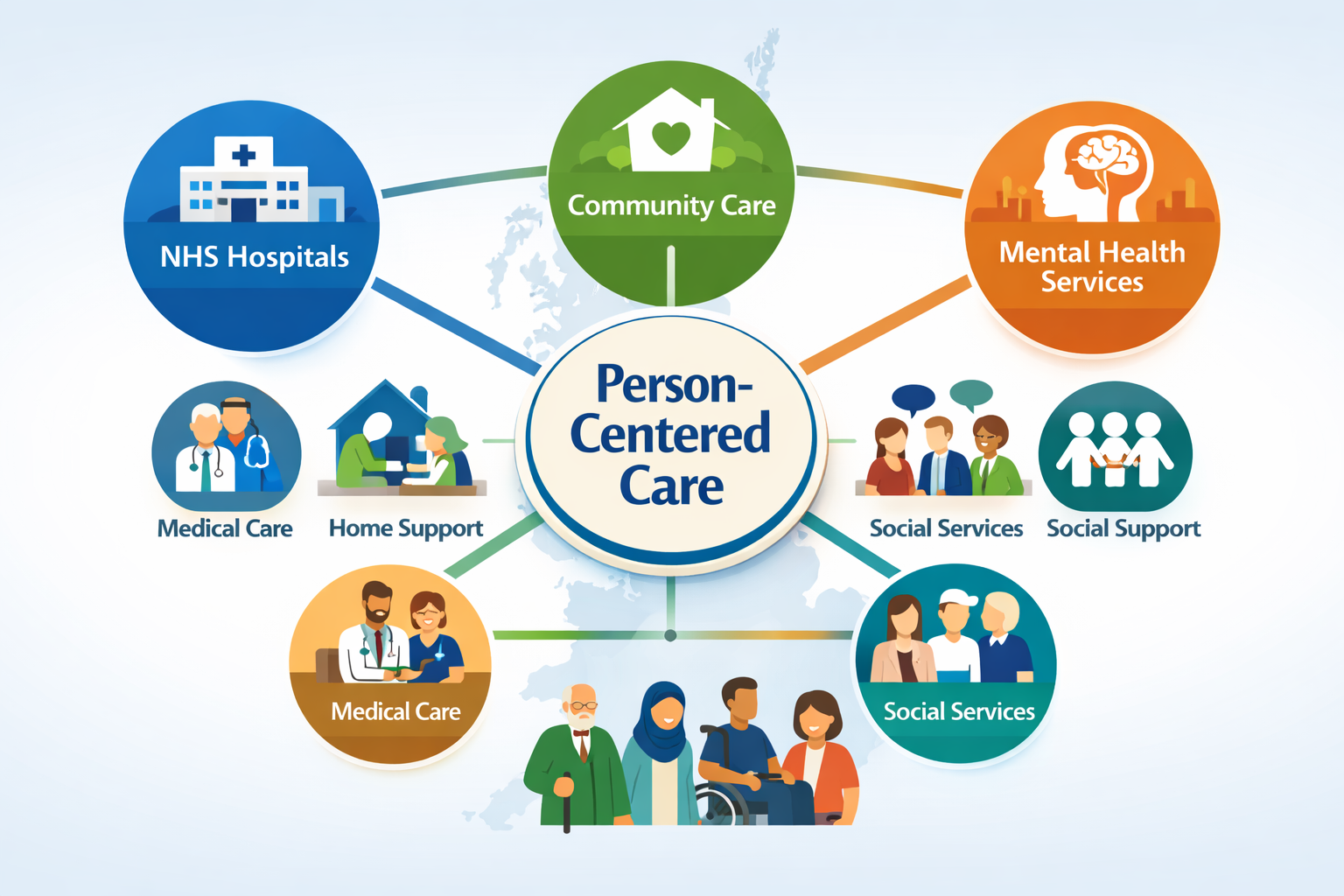
Health and Social Care encompasses the coordinated delivery of healthcare services (medical treatment, nursing, therapy) and social care support (personal assistance, community services, safeguarding) to help individuals maintain health, independence, and quality of life. The sector operates across hospitals, care homes, community settings, and private residences, employing professionals from healthcare assistants and social workers to registered nurses and care managers. Career entry typically requires the Care Certificate, with advancement through NVQ qualifications and specialist training pathways that reflect growing demand for skilled practitioners in an aging population.
What Is Health and Social Care and How Does It Work?
Health and Social Care is the integrated system combining medical healthcare services with personal and social support to address both clinical needs and daily living requirements. This approach recognizes that effective care extends beyond treating illness to supporting independence, mental wellbeing, and social connection.
The system operates through coordinated pathways that connect:
- Healthcare services: NHS hospitals, GP surgeries, mental health trusts, community health teams, and specialist clinics providing diagnosis, treatment, and clinical care
- Social care services: Local authority care teams, private care providers, residential homes, supported living facilities, and home care agencies delivering personal support
- Integrated care systems: Multi-disciplinary teams sharing information and coordinating treatment plans to prevent gaps in service delivery
Core Components of Health and Social Care
Medical and clinical care addresses physical and mental health conditions through:
- Diagnosis, treatment, and medication management by qualified healthcare professionals
- Nursing care in hospitals, clinics, and community settings
- Therapy services including physiotherapy, occupational therapy, and speech therapy
- Mental health support from psychiatrists, psychologists, and mental health nurses
Personal care and social support helps individuals manage daily activities:
- Assistance with washing, dressing, eating, and mobility
- Medication reminders and administration support
- Companionship and emotional support to reduce isolation
- Support with household tasks, shopping, and meal preparation
Safeguarding and advocacy protects vulnerable individuals:
- Identifying and responding to abuse, neglect, or exploitation
- Supporting individuals to make informed decisions about their care
- Coordinating with families, advocates, and legal representatives
- Ensuring rights are respected and dignity maintained
The distinction between health and social care affects funding, with NHS healthcare typically free at point of use while social care often requires means-tested contributions. This creates complexity for individuals requiring both types of support.
How Health and Social Care Services Are Delivered
Services operate across multiple settings based on individual needs:
Residential and nursing care homes provide 24-hour support for people unable to live independently, with nursing homes offering additional clinical care from registered nurses.
Domiciliary (home) care delivers support in people’s own homes, ranging from brief visits for medication support to live-in care for complex needs.
Community-based services include day centers, lunch clubs, and support groups that provide social interaction, activities, and respite for family carers.
Supported living schemes offer accommodation with on-site or visiting care staff, enabling greater independence than residential care.
Hospital and clinical settings deliver acute medical treatment, with discharge planning coordinating ongoing care needs in community settings.
Understanding development in health and social care helps professionals recognize how services evolve to meet changing population needs and policy priorities.
Who Works in Health and Social Care and What Do They Do?
Health and Social Care employs a diverse workforce spanning clinical professionals, care practitioners, support workers, and administrative specialists. Each role contributes to the coordinated delivery of services that support individuals’ health and wellbeing.
Healthcare Professionals
Registered nurses assess patient needs, administer treatments, manage medications, and coordinate care plans across hospital, community, and residential settings. Specializations include adult nursing, mental health nursing, learning disability nursing, and children’s nursing.
Social workers assess individuals’ social care needs, develop support plans, coordinate services, and safeguard vulnerable adults and children. They work for local authorities, NHS trusts, and voluntary organizations, requiring degree-level qualification and registration with Social Work England.
Allied health professionals deliver specialized therapies:
- Occupational therapists help people develop or maintain skills for daily living
- Physiotherapists support physical rehabilitation and mobility
- Speech and language therapists address communication and swallowing difficulties
- Dietitians provide nutritional guidance for health conditions
Care and Support Workers
Care assistants provide hands-on personal care, support with daily activities, and companionship for individuals in residential homes, hospitals, or private residences. Entry requires the Care Certificate, covering 15 fundamental standards.
Support workers assist people with learning disabilities, mental health conditions, or physical disabilities to live independently and participate in their communities. Roles vary from practical assistance to specialist behavioral support.
Mental health support workers provide one-to-one support for people experiencing mental health challenges, working alongside clinical teams in hospitals, community settings, and crisis services. Learn more about how to become a mental health support worker.
Senior care workers and team leaders supervise care delivery, mentor junior staff, and ensure quality standards are maintained across shifts.
Management and Specialist Roles
Care managers and registered managers oversee care services, ensure regulatory compliance, manage staff teams, and maintain quality standards. They require Level 5 qualifications and registration with the Care Quality Commission (CQC).
Safeguarding coordinators investigate concerns, coordinate multi-agency responses, and implement protective measures for vulnerable individuals.
Activity coordinators plan and deliver therapeutic activities, social programs, and community engagement opportunities that support wellbeing and reduce isolation.
Healthcare assistants work in hospitals and clinics supporting nurses with clinical observations, patient hygiene, nutrition, and mobility assistance.
The distinction between care workers and support workers often relates to setting and client group, with care workers typically in residential or domiciliary care and support workers more commonly in learning disability or mental health services.
What Qualifications Do You Need for Health and Social Care Careers?
Health and Social Care careers follow structured qualification pathways that combine formal credentials with practical competency assessments. Entry requirements vary by role, but most positions require completion of recognized training standards.
Essential Entry-Level Qualifications
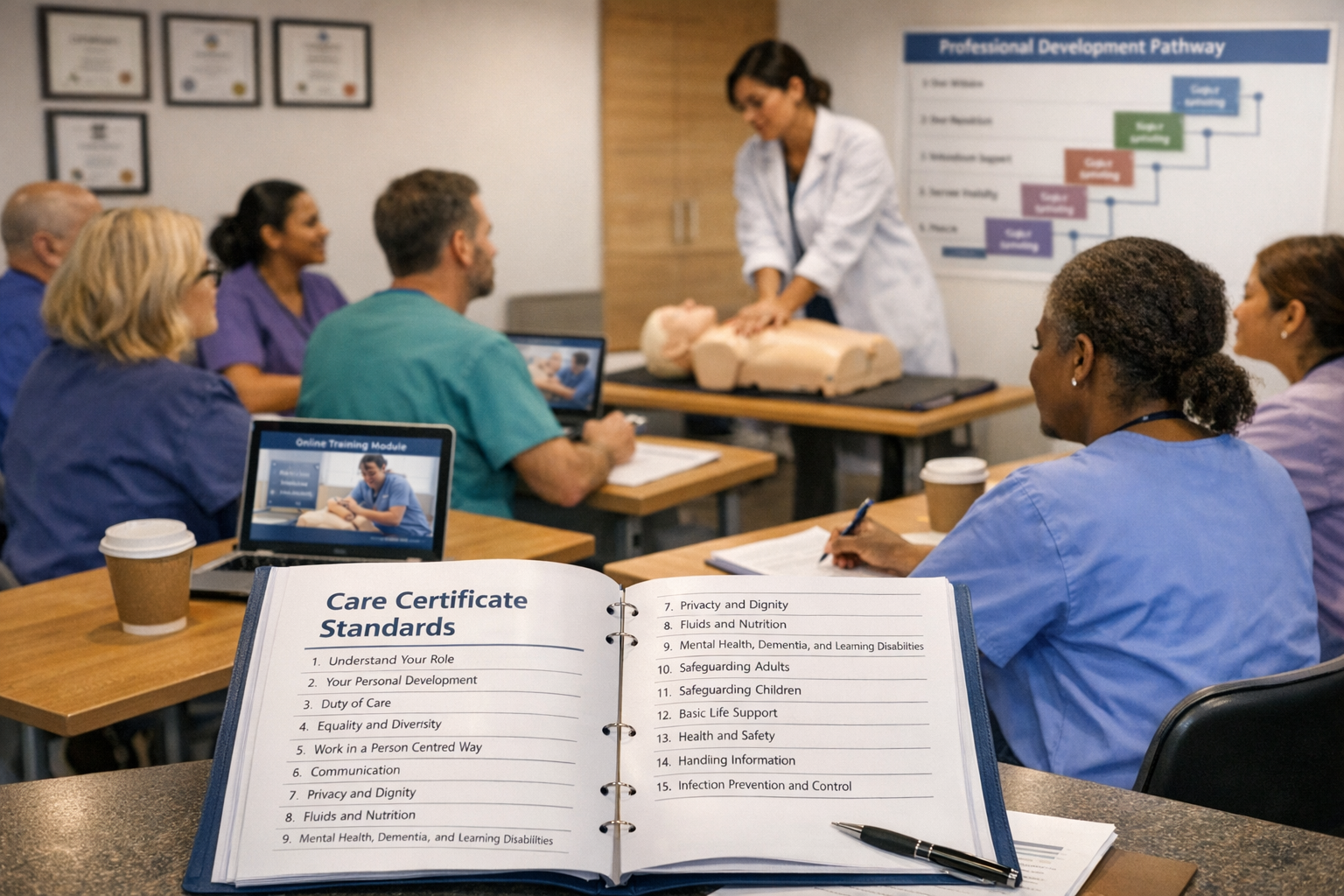
The Care Certificate is the mandatory foundation for all new care workers in England. This standardized training covers 15 core standards:
- Understanding your role
- Your personal development
- Duty of care
- Equality and diversity
- Work in a person-centered way
- Communication
- Privacy and dignity
- Fluids and nutrition
- Awareness of mental health, dementia, and learning disabilities
- Safeguarding adults
- Safeguarding children
- Basic life support
- Health and safety
- Handling information (including confidentiality in health and social care)
- Infection prevention and control
Completion typically takes 8-12 weeks of workplace-based assessment and supervised practice.
Vocational Qualifications (NVQ/QCF/RQF)
Level 2 Diploma in Care demonstrates competence in fundamental care tasks:
- Providing personal care and support
- Communicating effectively with individuals
- Following care plans and reporting changes
- Working safely and maintaining hygiene standards
Level 3 Diploma in Adult Care qualifies practitioners for senior care roles:
- Leading and supervising care delivery
- Developing person-centered support plans
- Managing complex care needs
- Mentoring junior staff members
Level 4 qualifications prepare practitioners for specialist roles in areas like dementia care, learning disabilities, or mental health support.
Level 5 Diploma in Leadership for Health and Social Care is required for registered managers and senior leaders, covering:
- Service quality management
- Regulatory compliance and CQC standards
- Financial planning and resource management
- Strategic leadership and workforce development
Professional Registration and Degree Qualifications
Nursing degrees (3 years full-time) lead to registration with the Nursing and Midwifery Council (NMC), required for all registered nurse positions across adult, mental health, learning disability, and children’s nursing fields.
Social work degrees (3 years undergraduate or 2 years postgraduate) enable registration with Social Work England, mandatory for statutory social work roles.
Allied health professional qualifications vary by discipline but typically require degree-level study and registration with the Health and Care Professions Council (HCPC).
Specialist Certifications and CPD
Continuing professional development maintains competence and supports career progression:
- Safeguarding training (Levels 1-3) for child and adult protection
- Mental health first aid for crisis response skills
- Dementia care specialist certifications for person-centered dementia support
- Medication administration qualifications for care workers in specific settings
- Moving and handling certifications for safe patient mobility assistance
- End of life care training for palliative and hospice settings
Understanding key roles and responsibilities in health and safety is essential for all care professionals, with regular refresher training required to maintain compliance.
How Do You Start a Career in Health and Social Care?
Starting a Health and Social Care career involves identifying your area of interest, obtaining required qualifications, and gaining practical experience through employment or volunteering. The sector offers multiple entry points suitable for school leavers, career changers, and professionals seeking advancement.
Step 1: Choose Your Career Path
Consider which area aligns with your interests and strengths:
Direct care roles suit people who enjoy hands-on support and building relationships with individuals receiving care. These include care assistant, support worker, and healthcare assistant positions.
Clinical pathways appeal to those interested in medical treatment and nursing care, requiring degree-level study and professional registration.
Social work careers fit individuals passionate about advocacy, safeguarding, and coordinating community support for vulnerable people.
Specialist roles in areas like mental health, learning disabilities, or dementia care allow focused expertise development.
Step 2: Obtain Entry-Level Qualifications
Most employers provide Care Certificate training to new starters, but completing it before applying strengthens your candidacy. Options include:
- Employer-sponsored training: Many care providers recruit without prior qualifications and deliver the Care Certificate during your probation period
- Pre-employment courses: Independent training providers offer Care Certificate programs (typically £200-£500) completed before job applications
- Apprenticeships: Combine paid employment with structured training toward Level 2 or Level 3 qualifications
For roles supporting adults with learning disabilities, additional specialist training complements the Care Certificate foundation.
Step 3: Gain Practical Experience
Experience demonstrates commitment and develops essential skills:
Volunteering with care homes, hospices, or community organizations provides insight into care environments and builds your CV.
Healthcare assistant bank work in NHS trusts offers flexible shifts while you complete qualifications or explore different specialties.
Entry-level care assistant positions in residential homes or domiciliary care agencies provide full-time employment with on-the-job training.
Work shadowing helps you observe different roles and settings before committing to a specific pathway.
Step 4: Build Your Professional Profile
Strong applications highlight relevant skills and experiences:
- Transferable skills: Communication, patience, problem-solving, and teamwork from previous roles or life experience
- Personal qualities: Compassion, reliability, respect for dignity, and commitment to person-centered care
- Practical competencies: Any relevant experience with vulnerable groups, even in non-care settings
- Professional references: From employers, volunteer coordinators, or educators who can vouch for your suitability
Step 5: Progress Through Qualifications
Once employed, pursue advancement through:
Level 2 Diploma (typically 12-18 months) while working as a care assistant, often funded by your employer.
Level 3 Diploma (18-24 months) qualifies you for senior care worker or specialist support roles with increased responsibility and pay.
Foundation degrees or degree apprenticeships in health and social care provide pathways to management or professional registration without leaving employment.
The difference between support workers and care assistants often relates to qualification level and scope of practice, with support workers typically holding Level 3 qualifications and greater autonomy.
Alternative Entry Routes
Career changers often enter through:
- Access to Higher Education courses preparing for nursing or social work degrees
- Conversion courses for graduates from other disciplines
- Accelerated apprenticeships recognizing prior learning and experience
International professionals must:
- Verify qualifications through UK NARIC for equivalency assessment
- Complete any additional training required for UK regulatory standards
- Demonstrate English language proficiency (IELTS or equivalent)
- Obtain appropriate work visas and right-to-work documentation
What Are the Career Progression Opportunities in Health and Social Care?
Health and Social Care offers clear progression pathways from entry-level positions to senior management and specialist roles. Career advancement combines experience, qualifications, and demonstrated competence in increasingly complex care scenarios.
Typical Career Ladder: Care Assistant to Manager
Care Assistant (£19,000-£22,000)
- Entry-level role providing personal care and daily living support
- Requires Care Certificate and basic competency assessments
- 12-24 months experience builds foundation skills
↓
Senior Care Assistant / Lead Care Worker (£22,000-£26,000)
- Supervises small teams and coordinates care delivery across shifts
- Requires Level 3 Diploma and 2+ years experience
- Mentors new staff and ensures quality standards
↓
Deputy Care Manager / Team Leader (£26,000-£32,000)
- Manages day-to-day operations and staff supervision
- Requires Level 4 qualifications and 3+ years experience
- Handles complaints, audits, and regulatory compliance
↓
Registered Care Manager (£32,000-£45,000)
- Overall responsibility for care service quality and CQC compliance
- Requires Level 5 Diploma in Leadership and registration
- Manages budgets, staffing, and strategic development
↓
Regional Manager / Director of Care (£45,000-£65,000+)
- Oversees multiple care services or large organizations
- Requires extensive management experience and business acumen
- Strategic planning, business development, and quality governance
Specialist Career Pathways
Mental Health Specialization
- Mental Health Support Worker → Mental Health Nurse (degree required) → Community Mental Health Team Leader → Clinical Lead
- Salary range: £20,000 (support worker) to £50,000+ (clinical lead)
Learning Disability Services
- Support Worker → Positive Behavior Support Specialist → Service Coordinator → Registered Manager
- Specialist certifications in autism, challenging behavior, or communication support enhance progression
Dementia Care
- Care Assistant → Dementia Care Specialist → Dementia Care Coordinator → Memory Care Manager
- Admiral Nurse pathway offers advanced clinical dementia support role
Safeguarding and Social Work
- Social Work Assistant → Qualified Social Worker (degree required) → Senior Practitioner → Team Manager → Service Manager
- Salary range: £18,000 (assistant) to £55,000+ (service manager)
Clinical Advancement Routes
Healthcare Assistant to Registered Nurse
- Many HCAs pursue nursing degrees through:
- Nursing degree apprenticeships (funded, earn while you learn)
- Traditional 3-year university programs
- Part-time study while working reduced hours
- Post-qualification: Band 5 Nurse (£28,000-£34,000) → Band 6 Senior Nurse → Band 7 Specialist/Manager
Allied Health Professions
- Support workers can pursue degrees in:
- Occupational Therapy
- Physiotherapy
- Speech and Language Therapy
- Requires A-levels or Access to HE course plus 3-year degree
Lateral Career Moves
Experience in care opens opportunities in related fields:
Quality and Compliance: CQC inspectors, quality assurance managers, and audit specialists use care knowledge to assess service standards.
Training and Development: Experienced practitioners become Care Certificate assessors, NVQ assessors, or training coordinators.
Recruitment and Workforce Planning: Understanding care roles supports effective recruitment specialist or workforce development positions.
Policy and Commissioning: Local authority and NHS commissioning roles benefit from frontline care experience.
Self-Employment and Business Ownership
Experienced care professionals increasingly pursue self-employed caregiver status or business ownership:
Independent care providers operate domiciliary care agencies, requiring:
- CQC registration and compliance systems
- Business planning and financial management
- Insurance, policies, and quality frameworks
- Minimum 2 years management experience recommended
Specialist consultancy offers services like:
- Care quality auditing and improvement
- Staff training and development
- CQC preparation and mock inspections
- Care plan development and review
What Skills and Qualities Make You Successful in Health and Social Care?
Success in Health and Social Care requires a combination of technical competencies, interpersonal skills, and personal qualities that enable effective, compassionate support for vulnerable individuals. Employers prioritize both learned skills and inherent attributes when recruiting and promoting care professionals.
Essential Technical Skills
Personal care competence includes:
- Safe moving and handling techniques to prevent injury
- Assistance with washing, dressing, toileting, and grooming
- Continence management and catheter care
- Pressure area care and skin integrity monitoring
- Nutrition support and feeding assistance
Clinical skills (for healthcare assistants and nurses):
- Vital signs monitoring (blood pressure, temperature, pulse, respiration)
- Blood glucose testing and recording
- Wound care and dressing changes
- Medication administration (with appropriate training)
- Infection prevention and control procedures
Documentation and record-keeping:
- Accurate, timely care notes following professional standards
- Electronic care management systems proficiency
- Incident and accident reporting
- Safeguarding concern documentation
- Understanding of information governance and confidentiality requirements
Risk assessment and management:
- Identifying potential hazards in care environments
- Implementing control measures to minimize risks
- Following health and safety protocols
- Recognizing and responding to deteriorating conditions
Critical Interpersonal Skills
Communication excellence forms the foundation of person-centered care:
- Active listening to understand individual needs and preferences
- Clear verbal communication adapted to cognitive abilities
- Non-verbal communication awareness and sensitivity
- Effective communication with diverse populations
- Difficult conversation management with families and professionals
Empathy and emotional intelligence:
- Recognizing and responding to emotional needs
- Maintaining professional boundaries while showing genuine care
- Cultural sensitivity and respect for diversity
- Supporting individuals through distress, grief, or anxiety
Teamwork and collaboration:
- Working effectively with multidisciplinary teams
- Sharing information appropriately across services
- Supporting colleagues during challenging situations
- Constructive feedback giving and receiving
Personal Qualities and Attributes
Compassion and patience: Genuine care for others’ wellbeing, understanding that individuals may need time and repeated support to accomplish tasks.
Reliability and professionalism: Consistent attendance, punctuality, and maintaining high standards even when unsupervised.
Resilience and stress management: Coping with emotional demands, physical challenges, and sometimes distressing situations while maintaining wellbeing.
Flexibility and adaptability: Responding to changing needs, covering shifts, and adjusting approaches based on individual preferences.
Problem-solving and initiative: Identifying issues proactively and implementing solutions within scope of practice.
Respect for dignity: Preserving privacy, promoting independence, and treating every individual with equal worth regardless of condition or behavior.
Continuous Development Mindset
Successful care professionals demonstrate:
Commitment to learning: Engaging with training, seeking feedback, and pursuing qualifications that enhance practice.
Reflective practice: Analyzing experiences to identify improvements and learning opportunities.
Professional curiosity: Understanding the ‘why’ behind care approaches, not just following procedures mechanically.
Quality focus: Striving for excellence rather than minimum standards, advocating for improvements that benefit those receiving care.
These skills develop through combination of formal training, supervised practice, and reflective experience. Many employers assess both technical competencies and personal suitability through values-based recruitment that explores motivation, empathy, and alignment with person-centered care principles.
What Are the Current Challenges and Trends Shaping Health and Social Care in 2026?
Health and Social Care in 2026 faces significant workforce pressures, technological transformation, and policy changes that are fundamentally reshaping how services are being delivered and funded globally. Understanding these trends helps professionals navigate career decisions and prepare for evolving practice requirements.
Workforce Shortages and Burnout
The care sector continues experiencing severe staffing challenges. Caregiving workforce shortages and burnout significantly impact patients’ ability to receive timely and consistent services across hospitals, clinics, and home-based care settings [4]. Contributing factors include:
Recruitment difficulties: Competition from other sectors offering higher pay for similar skill levels, particularly in retail and hospitality post-pandemic.
Retention challenges: High turnover rates (25-30% annually in some settings) driven by:
- Demanding physical and emotional work
- Insufficient pay relative to responsibilities
- Limited career progression visibility
- Inadequate support and supervision
Aging workforce: Significant proportion of experienced care workers approaching retirement, creating knowledge and skill gaps.
Immigration policy impacts: Tighter visa requirements and salary thresholds affecting international recruitment that historically filled workforce gaps.
Technological Integration and AI Adoption
Technology adoption is accelerating across health and social care services. Greater investment in AI-powered care coordination and clinical decision support systems is occurring, with early pilots of agentic AI in prescribing and care delivery expected to expand with stronger governance frameworks [1].
Digital care management systems are becoming standard:
- Electronic care planning and monitoring replacing paper records
- Real-time information sharing across multidisciplinary teams
- Predictive analytics identifying deterioration risks
- Automated scheduling and workforce management
Telehealth and remote monitoring:
- Virtual consultations reducing unnecessary hospital visits
- Wearable devices tracking vital signs and activity levels
- Medication adherence monitoring through smart dispensers
- Video calling maintaining social connection for isolated individuals
Hybrid care teams are formalizing, blending in-person and virtual clinicians to maximize efficiency, including roles like “virtual nurses” managing patient admissions and discharges remotely, and “tele-ICU” clinicians providing constant monitoring across multiple facilities [3].
The $50 billion Rural Health Transformation Program allocation to states over five fiscal years will fund technology initiatives including interoperable electronic health records, telehealth services, and AI tools to boost efficiency and improve patient health outcomes [2].
Healthcare Policy and Funding Changes
Significant policy shifts in 2026 affect service delivery and access:
Medicaid expansion fiscal incentives are ending in 2026, reducing incentives for the 10 remaining states that have not yet adopted Medicaid expansion, with new legislation also requiring more frequent eligibility redeterminations and work requirements for expansion enrollees [5].
Insurance coverage changes: Potential loss of health insurance for approximately 10 million people by 2034 due to policy changes, and if ACA enhanced premium tax credits are not extended past 2025, the Congressional Budget Office projects the uninsured population will increase by more than 14 million by 2034 [5].
Continuous special enrollment termination: People with incomes below 150% of the federal poverty line who enroll in ACA Marketplace coverage during income-based special enrollment periods will no longer be eligible for premium tax credits starting in 2026 [5].
Scope of Practice Expansion
Scope of practice expansion for Advanced Practice Registered Nurses (APRNs) and Physician Assistants (PAs) is becoming a fundamental strategy to address physician and nursing shortages, enabling these professionals to manage greater shares of patient care independently, particularly in underserved areas [3].
This trend extends to social care, with:
- Care workers with Level 3 qualifications taking on tasks previously reserved for nurses
- Support workers managing complex medication regimes with appropriate training
- Senior care practitioners conducting comprehensive assessments
- Technology enabling remote supervision and support from registered professionals
Pharmaceutical and Treatment Innovation
Rising adoption of GLP-1 medications and healthspan-focused therapies across employer health plans and clinical settings is changing treatment approaches for obesity, diabetes, and related conditions [1].
Pharmacy services transformation is underway with specialty drugs, GLP-1 therapies, and new pricing models reshaping the cost structure of pharmaceutical care [2].
Personalization and Flexible Benefits
Personalization driven by data and technology is becoming a baseline expectation, with organizations using digital platforms to recommend benefits based on life stage, tailor mental health resources, and provide generationally tailored offerings including fertility support and career development programs [1].
Flexible, modular benefit design is replacing one-size-fits-all approaches, allowing employees to build customized benefit bundles that meet diverse needs without dramatically increasing costs [1].
Integration and Person-Centered Approaches
Policy emphasis continues shifting toward integrated care systems that:
- Break down barriers between health and social care funding
- Create seamless pathways from hospital to community support
- Focus on prevention and early intervention rather than crisis response
- Empower individuals through personal budgets and direct payments
These trends create both challenges and opportunities for care professionals. Understanding technological tools, adapting to new service models, and developing specialist expertise in high-demand areas positions practitioners for career success in an evolving landscape.
How Do You Maintain Quality and Compliance in Health and Social Care?
Quality and compliance form the foundation of safe, effective Health and Social Care delivery. Regulatory frameworks, professional standards, and continuous improvement processes ensure services meet legal requirements and deliver person-centered support that respects dignity and promotes wellbeing.
Care Quality Commission (CQC) Standards
The CQC regulates health and social care services in England, assessing providers against five key questions:
Is the service safe?
- People are protected from abuse and avoidable harm
- Risks are assessed and managed appropriately
- Sufficient staffing levels with appropriate skills
- Safe medication management and infection control
- Learning from incidents and near misses
Is the service effective?
- Care based on best practice and evidence
- Staff have appropriate training and competence
- People’s needs assessed holistically
- Coordination with other services and professionals
- Compliance with legal requirements (Mental Capacity Act, Deprivation of Liberty Safeguards)
Is the service caring?
- Staff treat people with kindness, dignity, and respect
- Involvement in decisions about care and treatment
- Privacy and confidentiality maintained
- Emotional support provided
- Respect for diversity and individual preferences
Is the service responsive?
- Services organized to meet individual needs
- Complaints handled effectively and used for improvement
- Accessible to all who need them
- Coordinated with other providers
- End of life care meets preferences
Is the service well-led?
- Clear vision and values promoting person-centered care
- Governance systems ensuring quality and safety
- Open culture encouraging learning and innovation
- Engagement with people using services and staff
- Continuous improvement and learning
CQC ratings (Outstanding, Good, Requires Improvement, Inadequate) affect provider reputation, commissioning decisions, and public confidence.
Safeguarding Responsibilities
All care workers have legal and ethical duties to protect vulnerable adults and children from abuse, neglect, and exploitation. Safeguarding responsibilities include:
Recognizing abuse indicators:
- Physical abuse (unexplained injuries, fear of certain individuals)
- Emotional or psychological abuse (withdrawal, anxiety, unusual behavior changes)
- Sexual abuse (inappropriate sexual behavior or knowledge, trauma symptoms)
- Financial abuse (unexplained transactions, missing possessions, coercion)
- Neglect (poor hygiene, malnutrition, untreated health conditions)
- Discriminatory abuse (harassment based on protected characteristics)
- Institutional abuse (poor care standards, restrictive practices)
Reporting concerns: Following organizational procedures to escalate concerns to designated safeguarding leads, local authority safeguarding teams, or directly to police in emergencies.
Participating in investigations: Providing accurate information, maintaining confidentiality, and cooperating with multi-agency safeguarding procedures.
Preventive practices: Creating safe environments, promoting dignity and respect, and challenging poor practice or concerning behavior.
Professional Standards and Codes of Conduct
Registered professionals follow specific regulatory standards:
Nursing and Midwifery Council (NMC) Code requires nurses to:
- Prioritize people’s safety and wellbeing
- Practice effectively within scope of competence
- Preserve safety through raising concerns
- Promote professionalism and trust
Social Work England Professional Standards expect social workers to:
- Promote individual wellbeing and safeguard rights
- Establish and maintain trust and confidence
- Be accountable for professional judgments and actions
- Maintain continuing professional development
Care workers without professional registration still follow organizational codes of conduct aligned with sector standards and the Care Certificate values.
Information Governance and Confidentiality
Protecting personal information is both legal requirement and ethical obligation. Key principles include:
Data protection compliance (UK GDPR):
- Only collect information necessary for care delivery
- Store securely with appropriate access controls
- Share only with legitimate need-to-know basis
- Retain for required periods then securely destroy
- Respect individuals’ rights to access their information
Confidentiality boundaries:
- Information shared only with consent or legal justification
- Safeguarding concerns override confidentiality when necessary
- Professional discussions in private spaces
- Secure communication methods for sensitive information
Record-keeping standards:
- Accurate, contemporaneous, and objective documentation
- Clear, legible, and professional language
- Signed, dated, and attributable to named practitioner
- Corrections made transparently without deletion
Continuous Quality Improvement
Effective services embed quality improvement through:
Audit and monitoring: Regular reviews of care delivery against standards, identifying gaps and implementing improvements.
Supervision and appraisal: Structured support for practitioners to reflect on practice, identify development needs, and receive feedback.
Training and competency assessment: Ensuring all staff maintain current knowledge and skills through mandatory training refreshers and specialist development.
Feedback mechanisms: Gathering input from people receiving care, families, and staff to identify improvement opportunities.
Incident analysis: Learning from mistakes, near misses, and adverse events to prevent recurrence and strengthen systems.
Quality and compliance aren’t bureaucratic burdens but essential frameworks protecting vulnerable people and supporting professional practice. Understanding and embracing these standards demonstrates professionalism and commitment to excellence in care delivery.
Frequently Asked Questions About Health and Social Care

What is the difference between health care and social care?
Health care addresses medical needs through diagnosis, treatment, and clinical nursing provided by NHS services, typically free at point of use. Social care supports daily living activities like washing, dressing, and meal preparation, usually means-tested with individuals contributing based on income and assets. Many people need both, creating complexity in service coordination and funding.
How much do health and social care workers earn in the UK?
Care assistants typically earn £19,000-£22,000 annually, senior care workers £22,000-£28,000, deputy managers £26,000-£32,000, and registered managers £32,000-£45,000. Registered nurses start at approximately £28,000 (NHS Band 5) progressing to £34,000+, while qualified social workers earn £28,000-£40,000 depending on experience and local authority pay scales. Self-employed caregivers may earn more but without employment benefits.
Can you work in health and social care without qualifications?
Yes, many employers recruit care assistants without prior qualifications and provide the Care Certificate during employment. However, having the Care Certificate before applying improves job prospects and demonstrates commitment. Progression beyond entry-level positions requires NVQ/QCF qualifications at Level 2 or higher, while professional roles like nursing and social work require degree-level education and registration.
What is the Care Certificate and how long does it take?
The Care Certificate is the standardized foundation training for new care workers in England, covering 15 essential standards from communication and safeguarding to infection control and health and safety. Completion typically takes 8-12 weeks through workplace-based assessment and supervised practice, though timescales vary by employer and individual progress. It’s mandatory for new care workers but not a standalone qualification like NVQs.
What career progression opportunities exist in health and social care?
Clear pathways progress from care assistant to senior care worker (Level 3), deputy manager (Level 4), and registered manager (Level 5). Alternative routes include specialization in mental health, learning disabilities, or dementia care, or pursuing professional qualifications in nursing, social work, or allied health professions. Lateral moves into training, quality assurance, recruitment, or self-employment also build on care experience.
How do I become a registered care home manager?
Registered managers require a Level 5 Diploma in Leadership for Health and Social Care, at least 2 years experience in care settings (including supervisory roles), and successful registration with the Care Quality Commission. Many progress through deputy manager positions while completing Level 5 qualifications. The role carries significant responsibility for service quality, regulatory compliance, and staff management.
What is person-centered care in health and social care?
Person-centered care tailors support to individual preferences, needs, and goals rather than applying standardized routines. It involves listening to what matters to each person, respecting their choices, promoting independence, and adapting care delivery to their lifestyle and values. This approach recognizes people as individuals with unique histories, relationships, and aspirations, not just recipients of services.
Do health and social care workers need DBS checks?
Yes, all health and social care workers require enhanced Disclosure and Barring Service (DBS) checks before working with vulnerable adults or children. These checks reveal criminal records, cautions, and whether individuals are barred from working in regulated activities. DBS checks must be renewed regularly (typically every 3 years) and employers verify right to work in the UK alongside DBS clearance.
What is safeguarding in health and social care?
Safeguarding protects vulnerable adults and children from abuse, neglect, and exploitation through prevention, early identification, and coordinated response. All care workers must recognize abuse signs, report concerns through proper channels, and participate in investigations while maintaining confidentiality. Safeguarding training is mandatory, with levels 1-3 providing increasing depth for different roles and responsibilities.
Can international workers get health and social care jobs in the UK?
Yes, the UK actively recruits international care workers through the Health and Care Worker visa route. Requirements include a job offer from a licensed sponsor, meeting English language standards (IELTS or equivalent), and salary thresholds (currently £20,480 for most care roles). Qualifications must be verified for UK equivalency, and some additional training may be required to meet UK regulatory standards before starting work.
What is the role of technology in modern health and social care?
Technology increasingly supports care delivery through electronic care planning systems, telehealth consultations, remote monitoring devices, and AI-powered care coordination. Digital tools improve information sharing between services, enable early identification of health deterioration, and support independence through assistive technology. Care workers need basic digital literacy and willingness to adopt new systems as technology integration accelerates.
How do I maintain work-life balance in demanding care roles?
Effective strategies include setting clear boundaries between work and personal time, using supervision to process emotional impacts, accessing employee assistance programs, prioritizing self-care activities, and communicating with managers about workload concerns. Many employers offer flexible scheduling, and understanding your rights regarding breaks, rest periods, and maximum working hours helps prevent burnout in physically and emotionally demanding roles.
Conclusion
Health and Social Care represents a vital sector offering meaningful careers that directly improve people’s lives while providing clear progression pathways from entry-level positions to senior management and specialist roles. The field combines hands-on care delivery with professional development opportunities, supported by structured qualifications from the Care Certificate through NVQ Levels 2-5 and degree-level professional training.
Success in this sector requires both technical competencies and personal qualities including compassion, communication skills, resilience, and commitment to person-centered approaches that respect dignity and promote independence. While workforce challenges including staffing shortages and demanding conditions persist, the sector is evolving through technology adoption, scope of practice expansion, and integrated care models that create new opportunities for skilled practitioners.
For professionals considering Health and Social Care careers in 2026, the outlook remains strong. Demographic trends ensure sustained demand, with an aging population requiring increasing support across residential, community, and domiciliary settings. Policy emphasis on prevention, early intervention, and keeping people independent in their own homes creates diverse role opportunities beyond traditional institutional care.
Actionable next steps for aspiring care professionals:
- Research specific roles that align with your interests, exploring differences between care assistance, support work, healthcare assistance, and specialist positions in mental health or learning disabilities
- Obtain the Care Certificate either through pre-employment training or employer-sponsored programs to establish foundational competence
- Gain practical experience through volunteering, work shadowing, or entry-level positions that provide insight into care environments and build essential skills
- Develop a qualification pathway planning progression from Level 2 through Level 3 and beyond, aligned with career goals and employer support
- Build professional networks connecting with experienced practitioners, joining sector organizations, and engaging with continuing professional development opportunities
- Stay informed about sector trends including technology adoption, policy changes, and emerging specializations that shape career opportunities
The Health and Social Care sector rewards those who bring genuine commitment to improving others’ wellbeing with stable employment, clear progression routes, and the profound satisfaction of making tangible differences in vulnerable people’s lives. Whether entering at the foundation level or pursuing advanced professional qualifications, the sector offers diverse pathways for building meaningful, sustainable careers in an essential field that society increasingly values and depends upon.
References
[1] Top Health Care Trends For 2026 – https://newsroom.cigna.com/top-health-care-trends-for-2026
[2] What To Expect In Us Healthcare – https://www.mckinsey.com/industries/healthcare/our-insights/what-to-expect-in-us-healthcare
[3] Healthcare Workforce Trends – https://hellosyncx.com/blog/healthcare-workforce-trends/
[4] Pr 2026 Predictions – https://unitedstatesofcare.org/pr-2026-predictions/
[5] 4 Big Beautiful Bill Changes Will Reshape Care 2026 – https://www.ama-assn.org/health-care-advocacy/federal-advocacy/4-big-beautiful-bill-changes-will-reshape-care-2026
Building Essential Job Skills for Young Adults and Teenagers
Building Essential Job Skills for Young Adults and Teenagers The Building Essential....

Level 3 Medical Receptionist Training
Level 3 Medical Receptionist Training Level 3 Medical Receptionist Training provides knowledge....

Level 3 Certificate in Traffic Psychology
Level 3 Certificate in Traffic Psychology The Level 3 Certificate in Traffic....

Level 3 Quantity Surveying Course
Level 3 Quantity Surveying Course The Level 3 Quantity Surveying Course provides....

Level 1, 2, 3 Designated Safeguarding Lead Training
Level 1, 2, 3 Designated Safeguarding Lead Training Level 1, 2, 3....

Level 3 Stewardess and Flight Attendant Training
Level 3 Stewardess and Flight Attendant Training The Level 3 Stewardess and....

Emergency First Aid at Work (EFAW Course)
Emergency First Aid at Work (EFAW Course) Emergency First Aid at Work....

Level 3 Food Safety and Hygiene Course
Level 3 Food Safety and Hygiene Course The Level 3 Food Safety....

Agile Project Management Level 3
Agile Project Management Level 3 Agile Project Management Level 3 introduces the....

Electrical Safety Level 3
Electrical Safety Level 3 Electrical Safety Level 3 is an electrical safety....