How To Get a 5 Star Food Hygiene Rating is something every café, restaurant, takeaway, bakery, or catering business in the UK strives for. If you run one of these businesses, you know how important that little green sticker on your window is. It’s more than a badge — it’s a sign of trust. It is noticed by customers, recorded by local councils, and highlighted by online review platforms.
Having a 5-star food hygiene rating means that your business is clean, safe, and compliant, and it proves that you take the required steps to ensure that food is prepared, handled, and stored to the highest standard possible. However, it is important to know that you will not earn or keep that top rating by default. It involves careful planning, good management, and consistent practice.
Before we move on, it’s useful to understand what is the range of food hygiene ratings. In the UK, the Food Standards Agency (FSA) rates businesses from 0 to 5 — with 0 meaning urgent improvement is required and 5 representing excellent hygiene standards. Knowing this range helps you understand where your business currently stands and what you can do to reach the top score.
Quick Overview
Achieving a 5-star food hygiene rating is essential for any UK café, restaurant, takeaway, bakery, or catering business. It builds customer trust, protects your reputation, and ensures compliance with food safety laws.
Whether you’re running a food business or preparing for an inspection, this guide covers:
✅ How to deep clean and maintain premises for inspection readiness.
✅ Training and supervising staff in hygiene practices.
✅ Keeping accurate documentation and HACCP/SFBB records.
✅ Understanding what inspectors look for and how scores are calculated.
✅ Maintaining a proactive hygiene culture to achieve and retain 5 stars.
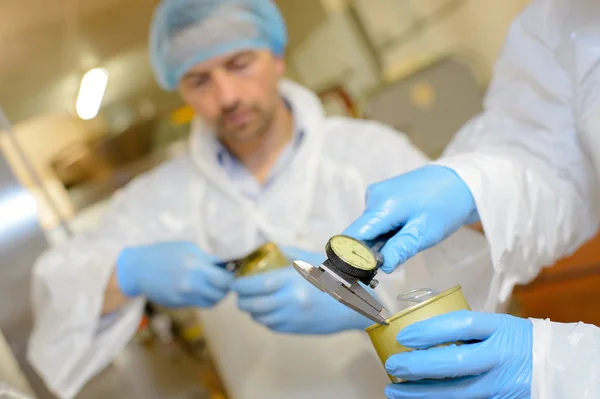
In this blog, we’ll explain what you need to know, from the inspection system to a simple checklist that will help you achieve and keep that perfect score.
What is the Food Hygiene Rating Scheme (FHRS)?
How To Get a 5 Star Food Hygiene Rating starts with understanding how the Food Hygiene Rating Scheme (FHRS) works. The FHRS is an initiative by the Food Standards Agency (FSA) and local authorities in England, Wales, and Northern Ireland. (Scotland runs its own similar system.)
Every food business — from a fine-dining restaurant to a school kitchen or a mobile van — is inspected by an Environmental Health Officer (EHO). These officers check how well businesses comply with food hygiene laws and issue a rating based on their assessments.
The Rating Scale
Your rating will fall somewhere between 0 and 5, as shown below:
| Rating | Meaning |
| 5 – Very Good | The highest standard. Excellent hygiene and full legal compliance. |
| 4 – Good | Standards are generally very good, with only minor issues. |
| 3 – Generally Satisfactory | Meets basic legal requirements but needs improvement. |
| 2 – Improvement Necessary | Several hygiene areas require correction. |
| 1 – Major Improvement Necessary | Serious failings found. Immediate action is required. |
| 0 – Urgent Improvement Necessary | Critical hygiene breaches pose health risks. |
So, what is a 5 out of 5 hygiene rating?
It’s the gold standard — a signal to customers that your food safety management, cleanliness, and compliance are outstanding. Businesses with a 5-star rating are often more trusted, more likely to pass re-inspections, and even rank higher on delivery apps and review sites.
Why a 5 Star Rating is Important
When learning How To Get a 5 Star Food Hygiene Rating, it’s essential to understand why aiming for the top matters. You may ask, “Is a three-star food hygiene rating good?” It is, in that it just meets minimum legal requirements. But in reality, three is just enough, while five means excellence.
Before going further, it’s useful to know what is the range of food hygiene ratings — in the UK, businesses are scored from 0 to 5, with 0 meaning urgent improvement is required and 5 representing outstanding hygiene standards. Knowing this helps you see how hard is it to get a 5 star food hygiene rating and why it’s worth the effort.
Here’s why that difference is important:
- It Increases Customer Confidence
More and more UK customers check hygiene ratings before dining out. According to an FSA survey, over 80% of people consider hygiene ratings when choosing where to eat. A 5-star rating will improve your reputation and strengthen customers’ trust in the safety and professional handling of their food. - It Protects Your Reputation
A low hygiene rating can quickly damage your reputation — and while that may take time to happen, it can spread just as quickly online. Your rating is displayed publicly on Google, Deliveroo, Uber Eats, and TripAdvisor. A rating of 4 or 5 boosts visibility and credibility, while anything below three can push you to the bottom of search results. - It Keeps You Compliant
With a high rating, you’ll always be inspection-ready, meaning you won’t have to worry about fines or last-minute preparation. Consistently maintaining high standards helps reduce food waste, control pests, and ensure a healthy, safe working environment. - It Gives You a Competitive Edge
In many catering, hospitality, and care service contracts, a 4- or 5-star rating is a minimum requirement. That green sticker can open doors to partnerships, franchises, and tenders that would otherwise be out of reach.
What Inspectors Look For
When learning How To Get a 5 Star Food Hygiene Rating, it’s important to understand how your business is assessed during an inspection. Environmental Health Officers (EHOs) evaluate your business using three main criteria, which together determine your overall rating:
1. Food Hygiene and Safety Procedures
How safely you handle, cook, store, and serve food.
Cleanliness of food preparation areas, equipment, and utensils.
Control of cross-contamination and temperature management.
2. Structure and Cleanliness of the Premises
The design, layout, lighting, ventilation, and maintenance of your premises.
Evidence of pest control, waste management, and staff hygiene facilities.
3. Confidence in Management and Documentation
The systems and records you keep to ensure ongoing food safety.
Staff training logs, cleaning schedules, and compliance with HACCP (Hazard Analysis and Critical Control Point) principles.
Inspectors evaluate each area carefully and then combine the results to calculate your final score. Even one weak area — such as poor documentation or minor cleanliness issues — can pull your rating down from 5 to 4. Understanding these criteria is a key step in How To Get a 5 Star Food Hygiene Rating and maintaining it consistently.
Step 1: Deep Clean and Maintain Your Premises
A spotless environment is the foundation of How To Get a 5 Star Food Hygiene Rating. Your premises must exhibit a high standard of cleanliness before an Environmental Health Officer (EHO) even crosses the threshold. Keep in mind that cleaning is the first thing an inspector notices, setting the tone for the entire inspection. Neglecting this step can be one of the key reasons what happens if a business has a low rating — issues such as visible dirt, poor cleaning records, or pest evidence can quickly bring your score down.

1.1 Create a Cleaning Schedule
A written cleaning schedule shows that you are serious about and value hygiene, helping staff maintain consistency. A cleaning schedule should include:
- Which surfaces, floors, equipment, and storage areas require cleaning.
- The frequency of cleaning (hourly, daily, weekly, and monthly).
- Who is responsible for each specific task.
- The cleaning products to be used and the safety measures to follow.
Keep a copy of this schedule in the kitchen office or compliance file — inspectors often request to see it as part of their review.
1.2 Choose the Correct Cleaning and Sanitising Products
Use only sanitisers or disinfectants approved under BS EN 1276 or BS EN 13697, ensuring they are food-safe.
Follow the manufacturer’s guidance for the correct contact time needed for disinfection — spraying and wiping immediately after is not effective.
Cloths and sponges should be replaced frequently to reduce bacterial build-up and prevent cross-contamination.
1.3 Inspect the Details
EHOs will thoroughly check corners, skirting boards, behind appliances, fan vents, and other hidden areas of your premises. Pay attention to:
- Grease build-up in extractors and hoods.
- Mould on sealants and wall junctions.
- Baked-on limescale around taps and sinks.
Signs of infestation — such as droppings, chewed packages, or clusters of flies — are serious red flags. If you notice any, contact a pest control professional immediately and document every treatment carried out. A lack of pest control records is a common example of what happens if a business has a low rating, so prevention and documentation are key.
Step 2: Correctly Store and Handle Food
When learning How To Get a 5 Star Food Hygiene Rating, proper food storage and handling are essential. If food is not stored correctly, you will not achieve a top rating. Inspectors thoroughly check your storage practices — including refrigerated, frozen, and shelf-stored food — as well as your delivery and preparation areas. Poor storage is one of the main causes of what happens if a business has a low rating, as it directly impacts food safety and compliance.
2.1 Understand “Use-By” vs. “Best-Before” Dates
“Use-by” means food is unsafe to eat after that date, while “best-before” indicates the food is still safe but may lose quality after the date passes. Best-before dates should not be ignored, especially on perishable items.
Every time you open or prepare food, label and date it clearly.
Use the FIFO (First In, First Out) system so that the oldest stock is used first, preventing waste and ensuring freshness.
2.2 Record Keeping and Temperature
Each fridge and freezer must have a digital thermometer, and temperature checks should be recorded at least twice a day.
| Storage Type | Safe Range | Notes |
| Fridge | ≤ 5 °C | Keep raw meat at the bottom to avoid drips. |
| Freezer | ≤ −18 °C | Don’t overload; allow air circulation. |
| Hot-hold cabinet | ≥ 63 °C | Stir food to ensure even heating. |
If temperatures rise outside the safe limits, document the issue and take corrective action — such as discarding, re-cooling, or cooking food immediately. Failing to record or respond to temperature breaches is a common example of what happens if a business has a low rating during inspection.
2.3 Prevent Cross-Contamination
To maintain high standards and demonstrate How To Get a 5 Star Food Hygiene Rating, strict separation and cleaning routines must be followed:
- Use colour-coded chopping boards — red for raw meat, blue for fish, green for vegetables, and yellow for poultry.
- Keep raw and cooked foods separate at all times. Store raw items on the bottom shelves and cooked or ready-to-eat food on top.
- Clean utensils and work surfaces thoroughly between each task.
Even small oversights can increase the risk of cross-contamination, which can quickly lead to what happens if a business has a low rating after inspection.
Step 3: Train and Supervise Staff
When learning How To Get a 5 Star Food Hygiene Rating, staff training and supervision play a major role. Environmental Health Officers (EHOs) assess not only the cleanliness of your kitchen but also how well-trained your team is in food safety and hygiene. A spotless kitchen cannot make up for untrained or careless staff, which is often a key factor in is food hygiene rating 3 good discussions — because a score of 3 usually reflects gaps in training, consistency, or record keeping.

3.1 Provide Recognised Food-Hygiene Training
All food handlers must complete Level 2 Food Hygiene and Safety training, while supervisors should hold a higher qualification. Accredited training is available online through providers such as CIEH and Highfield Qualifications.
Keep copies of all training certificates in your compliance folder as evidence for inspectors. Having these easily accessible demonstrates that you take staff development and safety seriously — a vital element of How To Get a 5 Star Food Hygiene Rating.
3.2 Keep Training Records Up to Date
Maintain detailed records showing the date, trainer, and course for each employee. Re-train regularly — especially after policy updates, new hires, or when existing staff take on new responsibilities. Up-to-date documentation reassures EHOs that you maintain consistent standards.
3.3 Promote Daily Hygiene Habits
Good hygiene practices are built on daily habits:
- Hand washing must be performed before and after handling food, after using the toilet, and after touching waste.
- Ensure uniforms, aprons, and hair coverings are always clean.
- Remove jewellery, watches, and nail polish when working in food areas.
- Staff should report diarrhoea or vomiting illnesses immediately. Infected employees must remain off work for 48 hours after symptoms have cleared.
A well-trained and hygiene-conscious team signals to inspectors that your business prioritises professionalism and safety — the cornerstone of How To Get a 5 Star Food Hygiene Rating and the reason your establishment will stand out from those still asking, “Is food hygiene rating 3 good?”
Step 4: Documentation and Records
When understanding How To Get a 5 Star Food Hygiene Rating, solid documentation is one of the most critical elements. Good record keeping demonstrates “confidence in management” — one of the three key areas assessed during your inspection. Many businesses that ask “Is food hygiene rating 3 good?” often find that incomplete or disorganised paperwork is what keeps them from achieving a higher score.
📋 Records You Need to Have:
- Food Safety Management System (HACCP or Safer Food Better Business pack).
- Cleaning schedules and logs.
- Temperature records (for fridges, freezers, cooking, and deliveries).
- Pest control reports and maintenance logs.
- Staff training certificates.
- Supplier lists and delivery checks (showing product traceability).
If you keep all of the above up to date, organised, and accessible, it sends a clear message to inspectors that your business is well managed and compliant. Thorough documentation is one of the strongest indicators of How To Get a 5 Star Food Hygiene Rating, while missing or inconsistent records are often the reason is food hygiene rating 3 good becomes a concern for many establishments. Maintaining this paperwork consistently could be the difference between a 3-star rating and the top score.
Step 5: What to Expect During the Inspection
When learning How To Get a 5 Star Food Hygiene Rating, it’s important to understand the inspection process. When the EHO arrives, they aren’t there to catch you out — they are there to ensure your food is safe for the public. However, your inspection won’t be a casual walkthrough. Inspectors follow a detailed, structured process based on clear national standards.
5.1 The Inspection Process
EHOs usually arrive unannounced during regular business hours. They introduce themselves, present their credentials, and explain the reason for their visit. You are legally obliged to cooperate.
The inspection will typically cover:
- Your food storage and preparation areas.
- Your cleaning and disinfection practices.
- Your food safety documentation and management system.
- Your staff’s hygiene habits and protective clothing.
- The condition, maintenance, and structure of your premises.
- Waste management and pest control procedures.
Inspectors will also observe food being handled in real-time to see if your staff are following their training correctly. For example, they will check whether hands are washed between tasks, food is stored at safe temperatures, and cross-contamination is prevented.
5.2 The Three Scoring Categories
Each inspector rating, from 0 to 5, is broken down into three main areas:
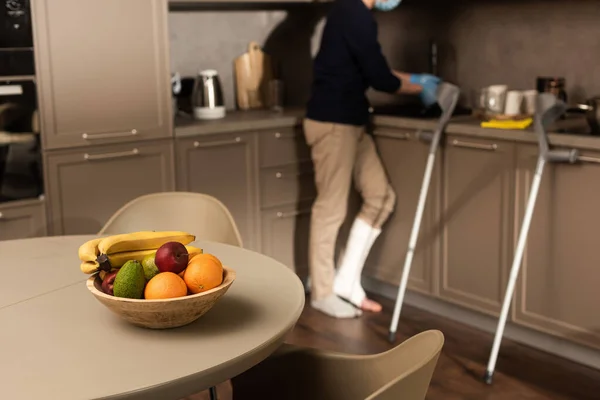
Food Hygiene and Safety
- Ensures safe cooking, handling, and storage of food.
- Checks that raw foods are separated from cooked items and that fridges are at safe temperatures.
Structure and Cleanliness
- Assesses the design, layout, and upkeep of your premises.
- Looks at walls, floors, equipment, and evidence of pests.
Confidence in Management
- Reviews management systems, documentation, and record-keeping.
- Checks that HACCP documents, cleaning logs, and staff training records are up to date.
For example, a rating of 4 could result if your kitchen is clean and operational but your documentation is incomplete or outdated. Knowing what is a 5 out of 5 hygiene rating helps you understand the level of compliance and organisation required to achieve the top score — a clean kitchen alone isn’t enough; everything from records to staff training must be consistently managed to reach 5 stars.
Step 6: What Inspectors Love to See
When aiming for How To Get a 5 Star Food Hygiene Rating, it helps to understand the behaviours and practices that make a strong positive impression. While inspection criteria are consistent across local authorities, certain proactive measures consistently stand out.
6.1 Proactive Hygiene Culture
Maintaining high standards of order and cleanliness at all times is highly valued. Inspectors recognise when hygiene routines are consistent rather than being implemented last-minute before an inspection.
Staff following safe practices — such as wearing hairnets, washing hands regularly, and using protective clothing — will be noted.
Temperature logs, cleaning schedules, and other routine records should be consistently completed. A well-groomed, confident team that understands the importance of hygiene always makes a strong impression and demonstrates exactly what is a 5 out of 5 hygiene rating looks like in practice.
6.2 Accurate Record-Keeping
Thorough documentation can be the difference between a 4-star and a 5-star rating. Ensure your records are well-organised and easy to present. For example, use clearly labelled folders for categories such as Cleaning Logs, HACCP, Temperature Checks, Staff Training, and Pest Control.
Digital systems are also acceptable, provided they are complete and easily accessible. Many modern businesses use food safety apps to log temperatures, deliveries, and cleaning schedules in real time, which demonstrates consistency and professionalism.
6.3 Equipment and Facilities in Good Repair
Inspectors pay close attention not only to cleanliness but also to the condition and maintenance of your premises. Broken fridges, damaged tiles, or peeling paint suggest a lack of attention to detail. Minor issues such as worn chopping boards or dirty seals can also negatively influence a rating.
Maintaining a repair log showing when equipment is serviced or replaced demonstrates a proactive approach. This kind of diligence shows inspectors that your business consistently meets standards — a key factor in achieving How To Get a 5 Star Food Hygiene Rating.
Step 7: What Happens If You Get a Lower Rating
Even the best businesses sometimes fall short. Perhaps your HACCP paperwork was incomplete, or a minor temperature record was missed. If you don't achieve the score you were hoping for, here’s what happens next and how it ties into How To Get a 5 Star Food Hygiene Rating.
7.1 You Will Get a Written Report
The EHO will leave or send you a detailed breakdown of their findings: what was done correctly, what was missed, and areas for improvement. They will also provide a time frame for completing any required actions. Make sure you understand the report and promptly address all issues.
7.2 Fix the Issues
The quicker you resolve the problems, the better. Keep an updated record, including receipts and photographs, to demonstrate that improvements have been made. These records are useful if you wish to request an early re-inspection.
7.3 Ask for a Revisit
Once you have corrected the issues, you can request a revisit, sometimes called a re-rating inspection. A small fee, often around £150 (depending on your local authority), may apply. After the re-inspection, your new score will replace the previous one. If you disagree with the rating, you can appeal within 14 days of receiving your notice.
This process is also relevant if you want to know how to get a 5 star food hygiene rating online, as your updated rating will be reflected on official platforms once confirmed.
7.4 Displaying Your Rating
In England, displaying your food hygiene rating sticker is optional. However, in Wales and Northern Ireland, displaying it onsite and online is mandatory. Even if optional, displaying your sticker is strongly recommended. A 5-star rating attracts more customers than a rating below 5.
Remember, an FSA rating becomes public record. A poor rating will remain accessible to customers, which is one of many reasons why striving to achieve How To Get a 5 Star Food Hygiene Rating is essential for your business’s reputation.
Step 8: How Hard is it to Obtain a 5-Star Rating?
Achieving this rating is not difficult, but it is a demanding process that requires discipline and proper documentation. Understanding How To Get a 5 Star Food Hygiene Rating is key to making this process manageable and consistent.
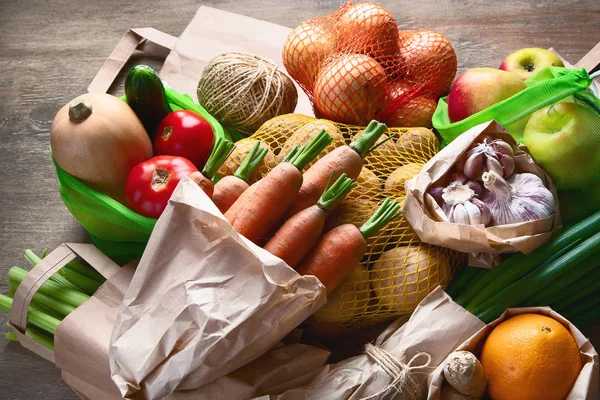
In many businesses, there is a common misconception that inspectors and the general public focus solely on the cleanliness of the kitchen. This is not the case. A 5-star rating indicates that:
- Hygiene is incorporated into every task a worker performs.
- Food safety training and accountability exist at every level of the hierarchy.
- Managers regularly review documents and take appropriate action.
- Comprehensive documentation and systems are in place to ensure ongoing compliance.
To obtain a 5-star rating, you do not need to be perfect. You simply need to demonstrate that food safety is an integral part of your business. For those looking to update their rating digitally, knowing how to get a 5 star food hygiene rating online ensures your score is accurately reflected on official platforms and accessible to customers.
Step 9: The Complete 5-Star Food Hygiene Checklist
Now that you understand how the Food Standards Agency (FSA) rating system works and what inspectors expect, it’s time to put everything into a clear, practical Food hygiene rating checklist you can actually use. This isn’t just about passing an inspection — it’s about building a reputation for safety, professionalism, and excellence that customers trust. Following this guide will help you understand How To Get a 5 Star Food Hygiene Rating.
Cleaning & Maintenance
☐ Deep clean all areas — kitchens, storage rooms, service counters, and bathrooms.
☐ Clean behind appliances, extractor fans, and under sinks regularly.
☐ Use food-safe sanitisers (BS EN 1276 / 13697) and follow contact-time instructions.
☐ Keep floors dry, walls intact, and lighting adequate.
☐ Empty bins daily and store waste away from food areas.
☐ Keep maintenance logs for repairs, pest control, and professional cleaning services.
Food Storage & Handling
☐ Label and date all food items clearly — use the FIFO (First In, First Out) method.
☐ Store raw meat, poultry, and fish separately from cooked or ready-to-eat foods.
☐ Cover and seal containers securely.
☐ Keep fridges at 5°C or below, freezers at −18°C or below, and hot-hold food at 63°C or above.
☐ Check and record fridge/freezer temperatures twice daily.
☐ Defrost food safely in the fridge — never on countertops.
Staff Hygiene & Training
☐ Ensure all staff have completed Level 2 Food Hygiene training (or higher for supervisors).
☐ Keep printed or digital copies of certificates.
☐ Reinforce hygiene habits: handwashing, clean uniforms, no jewellery or strong perfumes.
☐ Provide gloves, aprons, and hairnets.
☐ Record sickness absences and exclude unwell staff for 48 hours symptom-free.
☐ Train new starters before they begin food handling.
Documentation & Records
☐ Maintain a HACCP or Safer Food Better Business (SFBB) pack — completed, reviewed, and up to date.
☐ Keep cleaning schedules, temperature logs, and pest-control reports.
☐ File delivery notes and supplier details for full traceability.
☐ Log corrective actions when something goes wrong (e.g., fridge temperature breach).
☐ Review and sign off records weekly to show active management.
Confidence in Management
☐ Regularly audit your own hygiene practices using the FSA checklist.
☐ Conduct internal spot-checks — act before inspectors do.
☐ Keep your food hygiene rating certificate visible to staff and customers.
☐ Encourage a hygiene-first culture — everyone is responsible for safety.
Step 10: How To Prepare for a 5-Star Rating Online
Your hygiene reputation doesn’t just sit on your front door — it’s online as well. Google, TripAdvisor, and delivery platforms all automatically showcase your FSA rating. That’s right, your digital presence matters just as much as your physical presence. Following a Food hygiene rating checklist and taking proactive steps will help you understand How To Get a 5 Star Food Hygiene Rating both offline and online.
10.1 Check Your FSA Rating Website Listings
Head to ratings.food.gov.uk and search for your business. Make sure your business name, address, and rating are all correct. If you notice any errors, contact your local authority immediately.
10.2 Display Your Rating
It may not be a legal requirement in England, but displaying your 5-star rating is highly recommended:
- At the entrance to your business
- On your menus and delivery packaging
- On your website, social media, and Google Business profile
Even if not mandatory, transparency builds trust — and customers reward businesses that clearly demonstrate hygiene excellence.
10.3 Request Reviews
Encourage satisfied customers to leave reviews mentioning hygiene standards. Highlighting your commitment to a clean and safe environment reassures future customers and reinforces your 5-star reputation.
10.4 Recap
Once you’ve earned a five-star rating, the work isn’t done. Maintaining your rating requires vigilance. Use your Food hygiene rating checklist for internal audits and ensure your staff is trained to be inspection-ready every day — because every day is an “inspection day.”
To maintain long-term excellence:
- Conduct annual refresher training. Compliance requirements, best practices, and food safety standards evolve, so staying updated is essential.
- Revise your HACCP plan whenever menu items or processes change.
- Maintain high cleaning standards and address issues promptly to prevent escalation.
- Stay informed of recalls and food safety alerts from the FSA.
- Promote a positive hygiene culture by recognising and rewarding staff who identify and rectify hygiene issues proactively.
A strong hygiene culture, backed by consistent systems, ensures that if an inspector arrives unexpectedly, you can demonstrate compliance confidently.
Step 11: Maintain Your 5-Star Rating
Earning five stars is one thing — keeping it is another. Inspections can happen at any time, so staying inspection-ready is essential. Schedule monthly internal audits using your Food hygiene rating checklist and train staff to treat every day as “inspection day.”
Here’s how to maintain excellence long-term and demonstrate How To Get a 5 Star Food Hygiene Rating:

- Refresh training annually. Regulations and best practices change — stay current.
- Review your HACCP plan whenever menu items or processes change.
- Monitor cleaning standards and address issues before they escalate.
- Stay alert to recalls or food safety warnings from the FSA.
- Encourage accountability. Reward staff who spot and solve hygiene problems early.
A strong hygiene culture ensures that even if inspectors arrive unexpectedly, you’ll have nothing to worry about.
Food Hygiene Rating Frequently Asked Questions
🔹 What is the range of food hygiene ratings?
The ratings go from 0 to 5, with five being “very good” and 0 being “urgent improvement necessary.”
🔹 Is a food hygiene rating of 3 good?
Yes, it meets the minimum legal standards. However, higher ratings, 4 or 5, are achievable. Successful UK businesses strive for these ratings to improve customer trust, online reputation, and demonstrate adherence to hygiene best practices.
🔹 How difficult is it to obtain a 5-star food hygiene rating?
If a business follows hygiene routines, maintains proper documentation, and ensures staff training, achieving a 5-star rating is entirely attainable. You don’t need to be perfect, just consistently compliant and proactive. Using a Food hygiene rating checklist can help you systematically prepare.
🔹 What happens if a company has a low food hygiene rating?
Poor ratings, generally three or below, can reduce consumer trust. You will receive a detailed report highlighting areas that need improvement. Once the issues are addressed, you can request a re-inspection to achieve a higher score.
🔹 How can you get a 5-star food hygiene rating?
A food hygiene rating is only given after an inspection — you cannot simply apply for it. However, you can prepare by following a structured approach. Use resources from the FSA website, download the Safer Food Better Business (SFBB) pack, and implement a Food hygiene rating checklist to ensure compliance. These steps form the foundation of How To Get a 5 Star Food Hygiene Rating.
Final thoughts on food hygiene
The applied hygiene routines should be fully integrated into a 5-star culture of food safety. Your customers will recognise your commitment to their safety when you achieve a 5-star rating. Having well-trained staff and reliable documentation makes a bold statement — showing that your business goes beyond the minimum legal requirements.
The green sticker on your window is not just proof of passing an inspection. It is a message to your customers:
"We do things right — every day, in every meal."
A 5-star food hygiene rating is more than just a score. It signals trust, loyalty, and a contribution to a safer and healthier food industry for all. Using a Food hygiene rating checklist and following structured guidance on How To Get a 5 Star Food Hygiene Rating will help ensure your business consistently maintains these high standards.