Level 3 Health and Safety Training
- Lifetime Access
- All Levels
- PDF Certificate
Learn with Confidence








Overview
Level 3 Health and Safety Training
Level 3 Health and Safety Training provides broad knowledge of workplace health, safety and risk-control principles across a range of working environments. Learners study health and safety management, engineering safety, fire and electrical safety, occupational health, personal protective equipment, workplace hazards and accident reporting. The course also covers working at height, work equipment, chemical and biological hazards, manual handling, occupational diseases, dangerous occurrences, RIDDOR and the UK legal framework for workplace first aid. Additional modules explore mental healthcare, public health, self-hygiene and HACCP food safety. It can support learners developing workplace safety knowledge and professional development relevant to health and safety responsibilities.
You will study:
-
Health and safety management, engineering safety, fire safety and electrical safety.
-
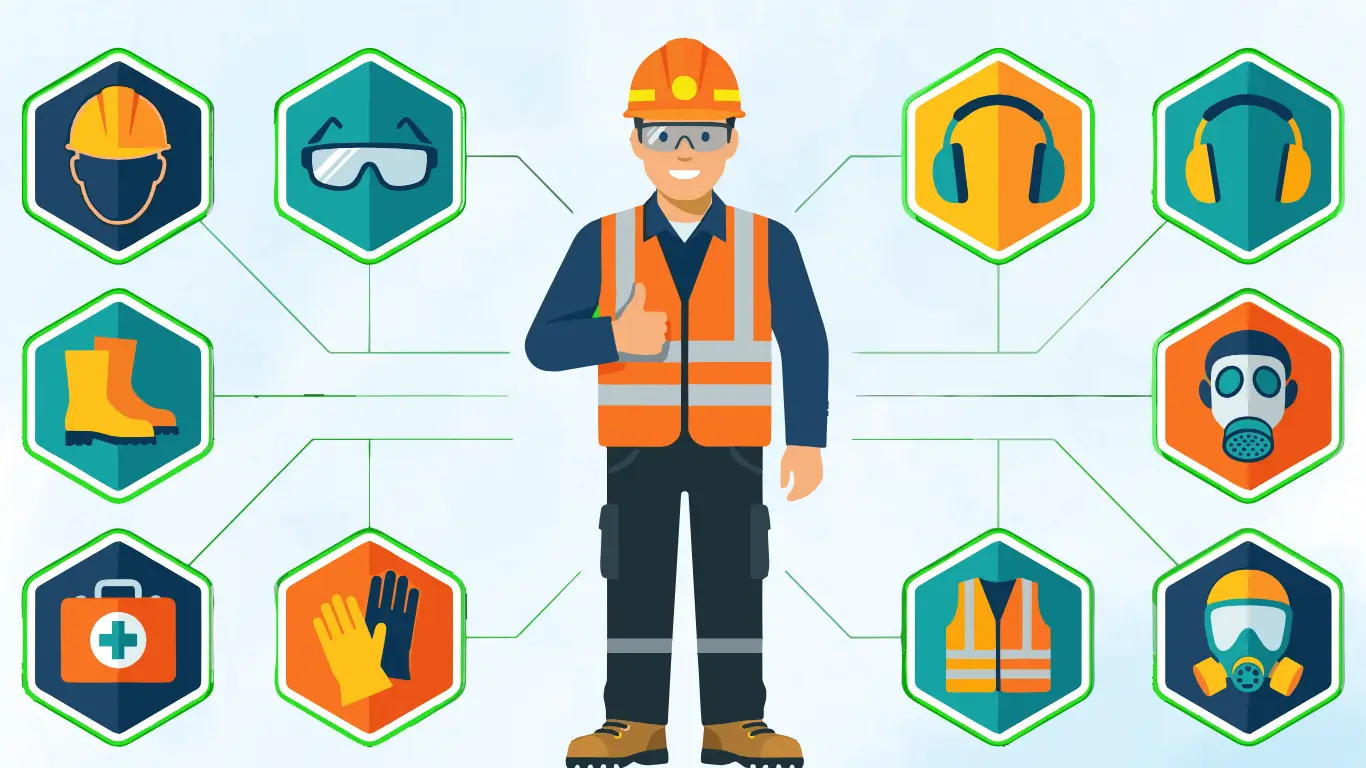
Occupational health, PPE, mental healthcare and public health.
-
Working at height, work equipment, electrical, chemical and biological hazards.
-
Accident reporting, dangerous occurrences, RIDDOR and UK workplace first aid law.
-
Manual handling, occupational diseases, hygiene, HACCP and equipment maintenance.
Course Overview
Level 3 Health and Safety Training is designed to provide a broad understanding of workplace health and safety across multiple areas of risk prevention, hazard control and responsible working practices. Rather than focusing on one industry, the curriculum covers subjects relevant to a range of workplace environments.
Learners progress from health and safety management and engineering safety into fire and electrical safety, occupational health and PPE. The course then explores specific hazards including working at height, work equipment, electricity, chemicals, biological agents and carcinogens.
Further topics include accident and incident reporting, dangerous occurrences, RIDDOR, workplace first aid law, self-hygiene, HACCP food safety, manual handling, equipment maintenance and occupational diseases. This breadth can make the course useful for learners seeking health and safety CPD learning or developing foundational knowledge alongside existing workplace responsibilities.
Description
This health and safety training course covers essential workplace safety concepts alongside more specific areas of hazard identification, prevention and control. Learners explore how health and safety can be managed and examine risks associated with equipment, electrical systems, working at height, chemicals, biological agents and other workplace conditions.
The curriculum also addresses fire safety, personal protective equipment, manual handling, accident reporting, dangerous occurrences and RIDDOR. Additional modules introduce occupational diseases, public health, self-hygiene and HACCP food safety.
The course can be relevant to learners seeking Level 3 health and safety knowledge, professional development or health and safety CPD learning. It should be considered alongside any industry-specific training or legal requirements relevant to a particular job.
Course Curriculum
Module 1: Health and Safety Management
Introduces the principles of managing health and safety in the workplace and establishes the foundation for the course.
Main learning topics:
-
Health and safety management
-
Workplace safety responsibilities
-
Risk awareness
-
Safety management principles
-
Workplace health and safety
Module 2: Engineering Safety
Explores safety considerations relevant to engineering environments and activities.
Main learning topics:
-
Engineering safety
-
Workplace hazards
-
Risk awareness
-
Safe working practices
-
Engineering environments
Module 3: Fire and Electrical Safety
Covers important workplace considerations relating to fire and electrical safety.
Main learning topics:
-
Fire safety
-
Electrical safety
-
Workplace fire risks
-
Electrical hazards
-
Safety controls
Module 4: Occupational Health and Personal Protective Equipment
Examines occupational health and the role of personal protective equipment in workplace safety.
Main learning topics:
-
Occupational health
-
Personal protective equipment
-
Workplace exposure
-
Protective measures
-
Health and safety controls
Module 5: Mental Healthcare
Introduces mental healthcare as part of a broader understanding of health and wellbeing.
Main learning topics:
-
Mental healthcare
-
Workplace wellbeing
-
Health considerations
-
Supporting awareness
-
Occupational wellbeing
Module 6: Public Health
Explores public health within the wider context of health, safety and wellbeing.
Main learning topics:
-
Public health
-
Health protection
-
Workplace health
-
Prevention
-
Health awareness
Module 7: Working at Height – Hazards and Control
Examines hazards associated with working at height and approaches to controlling related risks.
Main learning topics:
-
Working at height
-
Height-related hazards
-
Risk control
-
Safe working practices
-
Workplace prevention
Module 8: Work Equipment Hazards and Control
Focuses on hazards associated with work equipment and the importance of appropriate controls.
Main learning topics:
-
Work equipment
-
Equipment hazards
-
Risk control
-
Safe equipment use
-
Workplace safety
Module 9: Electrical Hazards and Control
Examines electrical hazards and methods of controlling risks associated with electrical work and equipment.
Main learning topics:
-
Electrical hazards
-
Electrical risk control
-
Workplace electricity risks
-
Preventive measures
-
Safe working practices
Module 10: Chemical and Biological Health Hazards and Control
Explores workplace health hazards arising from chemical and biological agents.
Main learning topics:
-
Chemical hazards
-
Biological hazards
-
Health risks
-
Hazard control
-
Workplace exposure
Module 11: Reporting Accidents and Incidents at Work
Covers the importance of reporting workplace accidents and incidents.
Main learning topics:
-
Accident reporting
-
Incident reporting
-
Workplace records
-
Safety communication
-
Incident management
Module 12: Legal Framework (UK) for Workplace First Aid
Introduces the UK legal framework relating to workplace first aid.
Main learning topics:
-
Workplace first aid
-
UK legal framework
-
First aid responsibilities
-
Workplace safety
-
Legal considerations
Module 13: Practice of Self-Hygiene
Explores self-hygiene practices and their importance to health and safety.
Main learning topics:
-
Personal hygiene
-
Self-hygiene practices
-
Health protection
-
Workplace hygiene
-
Prevention
Module 14: HACCP Food Safety
Introduces HACCP food safety principles within the wider health and safety curriculum.
Main learning topics:
-
HACCP
-
Food safety
-
Food-related hazards
-
Safety controls
-
Preventive approaches
Module 15: A Guide to Safe Manual Handling
Examines safe manual handling and the risks associated with moving or handling items at work.
Main learning topics:
-
Manual handling
-
Handling risks
-
Safe working practices
-
Injury prevention
-
Workplace controls
Module 16: Work Equipment Maintenance
Explores the importance of maintaining work equipment as part of workplace safety.
Main learning topics:
-
Equipment maintenance
-
Workplace equipment
-
Safety checks
-
Equipment condition
-
Preventive maintenance
Module 17: Occupational Diseases
Introduces occupational diseases and their relationship to workplace health.
Main learning topics:
-
Occupational diseases
-
Workplace health
-
Occupational exposure
-
Health risks
-
Prevention
Module 18: Exposure to Mutagens, Biological Agents and Carcinogens
Examines workplace exposure to mutagens, biological agents and carcinogens.
Main learning topics:
-
Mutagens
-
Biological agents
-
Carcinogens
-
Workplace exposure
-
Hazard control
Module 19: Dangerous Occurrences
Explores dangerous occurrences and their significance within workplace health and safety management.
Main learning topics:
-
Dangerous occurrences
-
Workplace incidents
-
Risk awareness
-
Safety reporting
-
Incident prevention
Module 20: RIDDOR Report
Introduces RIDDOR reporting within the context of workplace accidents, incidents and dangerous occurrences.
Main learning topics:
-
RIDDOR
-
Workplace reporting
-
Reportable incidents
-
Dangerous occurrences
-
Accident reporting
Module 21: Assignment
The course concludes with a final assignment designed to consolidate learning across the programme.
Main learning topics:
-
Course knowledge review
-
Application of health and safety concepts
-
Consolidation of learning
-
Workplace safety topics
-
Final assignment
Who Is This Course For?
This course may be suitable for:
-
Learners who want to develop broad workplace health and safety knowledge.
-
Employees who have health and safety responsibilities within their workplace.
-
Supervisors and team leaders seeking additional safety knowledge.
-
Individuals interested in health and safety as a career area.
-
Learners looking for health and safety CPD learning.
-
Professionals wanting to refresh or broaden their understanding of workplace hazards.
-
People working in environments where equipment, electrical, chemical or biological hazards may be relevant.
-
Learners interested in occupational health and workplace wellbeing.
-
Individuals working around food who want to understand HACCP within a wider safety context.
-
Learners considering further health and safety training or professional qualifications.
The course covers a broad range of topics, so its relevance will vary according to a learner’s existing role, industry and responsibilities.
Requirements
No specific academic or professional prerequisites have been supplied for this course.
Learners should ideally have:
-
An interest in workplace health and safety.
-
A willingness to study workplace hazards and control measures.
-
Basic ability to understand written learning materials.
-
Access to a suitable device and internet connection for online study.
-
An interest in applying health and safety knowledge responsibly in relevant workplace settings.
Certain health and safety roles may require additional qualifications, practical experience, professional membership or industry-specific training. This course should not be represented as automatically replacing legally required training or regulated professional qualifications.
Skills You Can Develop
The curriculum can help learners develop knowledge and understanding in areas including:
-
Health and safety management
-
Workplace hazard awareness
-
Engineering safety
-
Fire safety
-
Electrical safety
-
Occupational health
-
Personal protective equipment
-
Working at height
-
Work equipment safety
-
Chemical hazard awareness
-
Biological hazard awareness
-
Accident and incident reporting
-
Workplace first aid legal framework
-
Self-hygiene
-
HACCP food safety
-
Manual handling
-
Equipment maintenance
-
Occupational diseases
-
Mutagens and carcinogens
-
Dangerous occurrences
-
RIDDOR reporting
-
Workplace health and wellbeing
-
Risk-control principles
Learning Outcomes
By the end of the course, learners should be able to:
-
Explain fundamental principles of workplace health and safety management.
-
Identify key health and safety considerations within engineering environments.
-
Recognise important fire and electrical safety issues in the workplace.
-
Explain the role of occupational health and personal protective equipment.
-
Identify hazards associated with working at height and work equipment.
-
Describe key chemical, biological and electrical workplace hazards and their controls.
-
Explain the importance of reporting accidents, incidents and dangerous occurrences.
-
Understand the UK legal framework covered in the course for workplace first aid and RIDDOR reporting.
-
Explain the relevance of manual handling, equipment maintenance, hygiene and HACCP food safety.
-
Recognise workplace health risks associated with occupational diseases, mutagens, biological agents and carcinogens.
Career Paths & Requirements
Health and safety knowledge can be relevant across construction, engineering, manufacturing, healthcare, hospitality, food-related workplaces, public services and many other sectors. However, this course alone should not be presented as guaranteeing entry into a specific profession.
Some roles may require additional qualifications, professional training, industry experience or other entry requirements.
Health and Safety Adviser
Typical UK salary: £26,000 starter to £48,000 experienced.
How this course may be relevant: The National Careers Service states that health and safety advisers develop policies designed to reduce workplace accidents, injuries and health issues. This course’s coverage of safety management, hazard control, workplace incidents, equipment, fire, electrical risks and occupational health provides relevant foundational knowledge. Progression into professional health and safety roles may require further study, training and experience.
Environmental Health Practitioner
Typical UK salary: £27,000 starter to £50,000 experienced.
How this course may be relevant: Environmental health practitioners work across areas including food safety and public health. The course includes public health, self-hygiene and HACCP food safety, providing useful complementary knowledge for learners interested in this broader field. The National Careers Service indicates that entry can involve an approved degree or accredited postgraduate route, so this course should not be presented as a substitute for those requirements.
Health Promotion Specialist
Typical UK salary: £25,000 to £35,000.
How this course may be relevant: The course includes public health, mental healthcare, occupational health and self-hygiene, which can provide supporting knowledge for learners interested in health education and workplace wellbeing. Additional role-specific training and experience may be required.
Workplace Safety / HSE Support Roles
Typical UK salary: Salary varies according to the specific job, industry, experience and employer.
How this course may be relevant: The curriculum covers a wide range of workplace safety subjects, including hazard control, PPE, equipment, accident reporting, RIDDOR, fire safety, electrical safety and manual handling. These areas can be useful background knowledge for employees supporting workplace safety activities.
Salary note: The salary figures above are indicative UK figures and can vary according to experience, location, employer, sector and responsibilities. They are not salary promises or guaranteed outcomes from completing this course. The National Careers Service currently lists £26,000–£48,000 for health and safety advisers and £27,000–£50,000 for environmental health practitioners.
FAQs
1. What is Level 3 Health and Safety Training?
Level 3 Health and Safety Training provides broad knowledge of workplace health and safety, including hazard control, occupational health, fire and electrical safety, accident reporting and RIDDOR.
2. What will I learn on this health and safety course?
You will study health and safety management, working at height, work equipment, PPE, chemical and biological hazards, manual handling, HACCP food safety, occupational diseases and workplace reporting.
3. Does the course cover RIDDOR and workplace accident reporting?
Yes. The course includes dedicated modules covering accident and incident reporting, dangerous occurrences and RIDDOR reporting.
4. Is this course suitable for health and safety CPD?
The course can support learners seeking health and safety CPD learning and professional development. Any external CPD accreditation or certification should be confirmed separately with the course provider.
5. Can this course help me develop a career in health and safety?
The course can help develop foundational workplace health and safety knowledge relevant to various roles. Some professional health and safety positions may require additional qualifications, experience or industry-specific training.
Course Content
Module 01 Health and Safety Management
-
Health and Safety Management
00:00
Module 02 Engineering Safety
Module 03 Fire and Electrical Safety
Module 04 Occupational Health and Personal Protective Equipment
Module 05 Mental Healthcare
Module 06 Public Health
Module 07 Working at Height – Hazards and Control
Module 08 Work Equipment Hazards and Control
Module 09 Electrical Hazards and Control
Module 10 Chemical and Biological Health Hazards and Control
Module 11 Reporting Accidents and Incidents at Work
Module 12 Legal Framework (UK) for Workplace First Aid
Module 13 Practice of self-hygiene
Module 14 HACCP Food Safety
Module 15 A Guide to Safe Manual Handling
Module 16 Work Equipment Maintenance
Module 17 Occupational Diseases
Module 18 Exposure to Mutagens Biological Agents and Carcinogens
Module 19 Dangerous Occurrences
Module 20 RIDDOR Report
Assignment

Hear from Our Successful Learners


The experience has been excellent from the start to the present. The support team is proactive and always helpful with any queries or requests.

I've taken several courses through Reed and have been completely satisfied with each one. The pricing is outstanding.

I've completed numerous courses through Reed and have been fully satisfied with each one. The courses are excellent.

I'm truly impressed by One Education's remarkable ability to understand its learners and go the extra mile for them.

I had been searching for a Level 3 course for a while—it felt like mission impossible. Discovering that Reed offers a wide range of career-focused providers was a pleasant surprise.

The course was incredibly insightful and easy to navigate. I truly enjoyed it—thank you so much.


Booking was simple and the course content was clear and well structured from day one.

Great value for money and the certificate arrived quickly after I finished my assessment.

Customer support answered my questions the same day. Would definitely recommend to a friend.

Flexible learning that fit around my job. The video lessons were easy to follow.

Second course I've taken with them now. Consistent quality every time.

Clear instructions, fair pricing, and the exam prep really helped me pass first time.
Frequently Asked Questions
Get Your Certificate Today
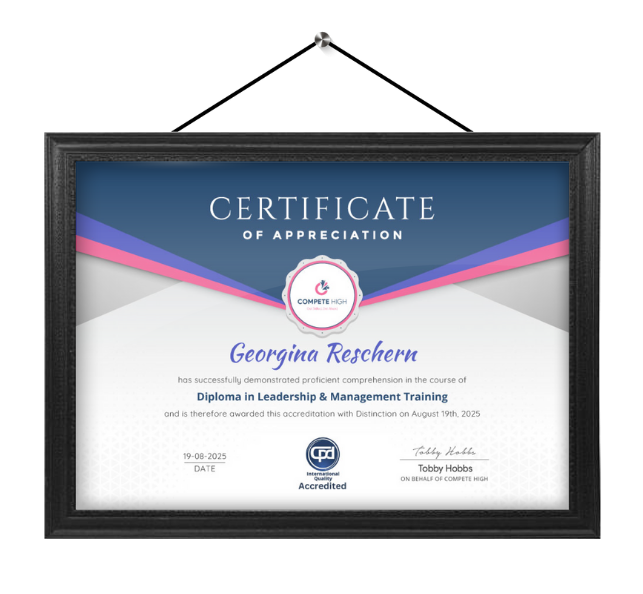
Celebrate your achievement with a CPD-IQ accredited certificate from Compete High! Perfect for showcasing your skills, boosting your career, and enhancing your professional profile. Choose the format that works best for you: PDF Certificate (£9.99) – Download instantly to add to your portfolio, résumé, LinkedIn, or share on social media. Printed Hard Copy (£29.99) – A beautifully designed certificate delivered to your door, ready to proudly display in your office or home. Both PDF & Printed Hard Copy (£31.99) – Get the best of both worlds!
Order Now