
Dark Matter and Dark Energy – Mysteries of the Universe
SPRING SUPER SALE! 1500+ COURSES AT ONLY £99 FOR LIFE. FIND OUT MORE
Dark Matter and Dark Energy – Mysteries of the Universe
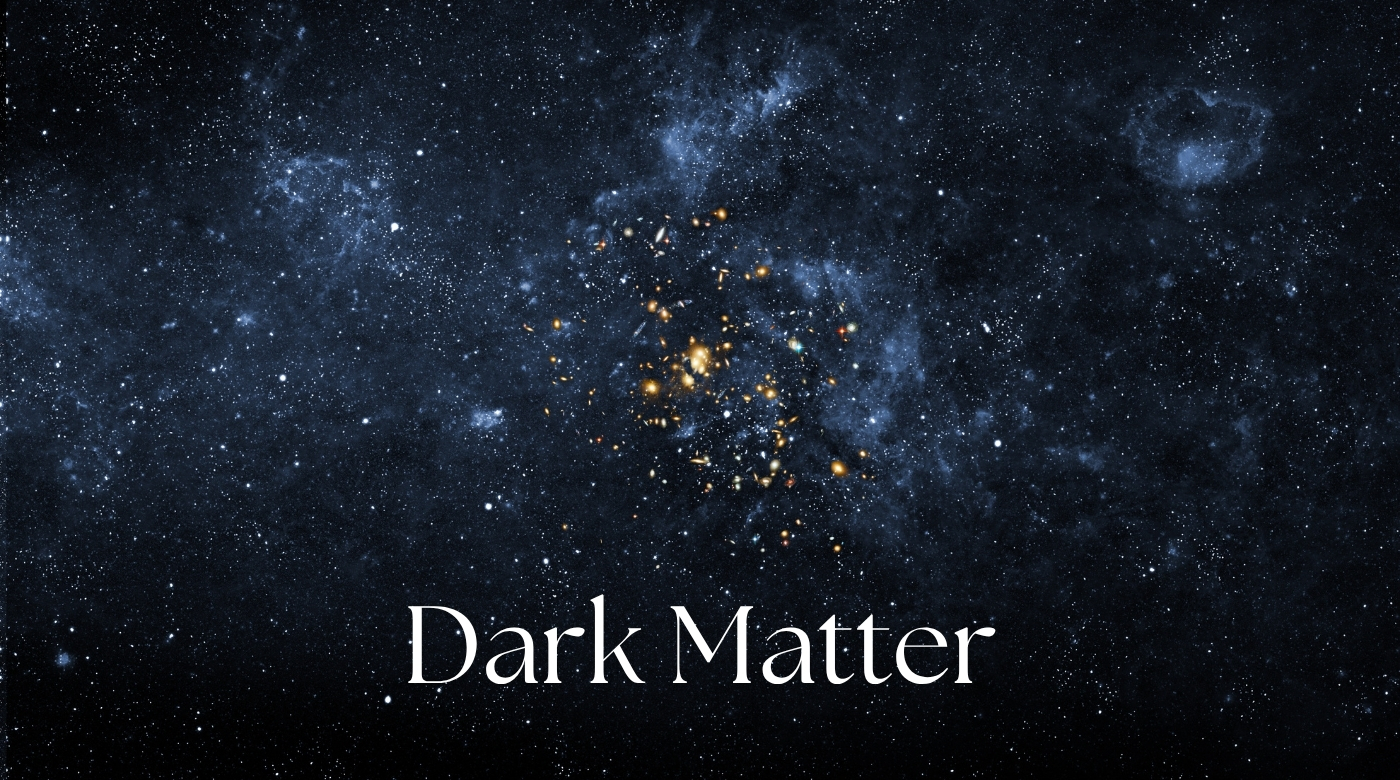
Unlock the secrets of the cosmos with our comprehensive course, “Dark Matter and Dark Energy – Mysteries of the Universe”. This unique course invites you on a journey to explore the most profound and enigmatic components of the universe: dark matter and dark energy. For decades, scientists have observed that the visible universe—the stars, planets, and galaxies—accounts for only a fraction of what exists. The vast majority remains hidden, elusive, and mysterious, forming the dark fabric of the cosmos.
Through this course, you will delve into the revolutionary discoveries that have reshaped our understanding of the universe. From the evidence supporting the existence of dark matter to the mysterious accelerated expansion of the universe driven by dark energy, this course offers a deep dive into cutting-edge astrophysics and cosmology. Guided by expert instructors, you will gain a holistic understanding of observational techniques, theoretical models, and the future of cosmological research.
Whether you are a student of physics, a science enthusiast, or a professional seeking to expand your knowledge in cosmology, “Dark Matter and Dark Energy – Mysteries of the Universe” equips you with the insights and analytical tools to comprehend one of the most exciting frontiers in modern science.
Description
The universe is far stranger than meets the eye. While galaxies, stars, and planets form the observable cosmos, the majority of the universe is composed of unseen entities: dark matter and dark energy. The course “Dark Matter and Dark Energy – Mysteries of the Universe” provides a structured, in-depth exploration of these cosmic enigmas, combining theory, evidence, and practical observational techniques.
What You Will Learn
Over ten detailed modules, you will journey from foundational cosmology to the latest frontiers of research:
-
Module 1: Introduction to Cosmology and the Universe
Begin with the fundamentals of cosmology. Understand the structure, evolution, and scale of the universe, setting the stage for a detailed exploration of dark matter and dark energy. -
Module 2: The Evidence for Dark Matter
Explore the compelling observations that led scientists to postulate the existence of dark matter. Learn how galaxy rotation curves, gravitational lensing, and cosmic microwave background measurements hint at the invisible mass shaping our universe. -
Module 3: The Nature and Candidates of Dark Matter
Examine the potential constituents of dark matter. From weakly interacting massive particles (WIMPs) to axions, sterile neutrinos, and MACHOs (Massive Compact Halo Objects), discover the ongoing debate over what makes up the hidden mass of the cosmos. -
Module 4: Detecting Dark Matter
Investigate the innovative techniques scientists use to detect dark matter directly and indirectly. Understand the instruments, detectors, and experimental strategies that aim to capture these elusive particles. -
Module 5: The Discovery and Evidence for Dark Energy
Dive into the revolutionary discovery that the universe’s expansion is accelerating. Explore the supernova observations, cosmic microwave background studies, and large-scale structure surveys that provided the first evidence of dark energy. -
Module 6: Theories and Models of Dark Energy
Learn about the competing theoretical models that attempt to explain dark energy, from the cosmological constant (Λ) to dynamic scalar fields and modified gravity theories. Understand how these models shape our understanding of the universe’s fate. -
Module 7: The Interplay Between Dark Matter and Dark Energy
Investigate how dark matter and dark energy interact to influence the evolution and structure of the universe. Understand the delicate balance that determines galaxy formation, cosmic expansion, and the universe’s ultimate destiny. -
Module 8: Tools and Techniques in Observational Cosmology
Gain practical insights into the instruments and observational methods used in modern cosmology. From telescopes and satellite missions to data analysis and simulation techniques, learn how scientists study the invisible universe. -
Module 9: Current Debates and Unsolved Problems
Engage with the unanswered questions and ongoing debates in cosmology. From the nature of dark energy to the distribution of dark matter in galaxies, explore the frontier challenges that keep astrophysicists and cosmologists engaged worldwide. -
Module 10: The Future of Cosmology and UK Research Contributions
Explore the cutting-edge research projects in the UK and globally that aim to unravel the mysteries of dark matter and dark energy. Learn about the upcoming missions, experiments, and collaborations pushing the boundaries of human knowledge.
This structured curriculum ensures a thorough understanding of both theoretical and observational aspects of dark matter and dark energy. Each module combines scientific rigor with accessible explanations, making the course suitable for learners at various levels of expertise.
Why This Course Stands Out
Unlike other introductory astrophysics courses, “Dark Matter and Dark Energy – Mysteries of the Universe” is specifically tailored to explore the hidden majority of the cosmos. It emphasises:
-
High relevance: Stay updated with the latest research and discoveries in cosmology.
-
Practical insights: Learn how scientists detect and study the invisible universe.
-
Expert guidance: Receive instruction from leading educators and researchers in cosmology.
-
Holistic approach: Combine theoretical foundations, observational methods, and future research perspectives.
By the end of the course, you will not only understand the evidence and models behind dark matter and dark energy but also appreciate the profound implications these cosmic phenomena have for our understanding of reality.
Who Is This Course For
“Dark Matter and Dark Energy – Mysteries of the Universe” is designed for a wide range of learners:
-
Undergraduate and postgraduate students in physics, astronomy, or cosmology who want to deepen their understanding of cutting-edge topics in modern astrophysics.
-
Science enthusiasts passionate about the mysteries of the universe and seeking structured guidance on the latest research.
-
Educators and lecturers aiming to enhance their teaching materials with the latest findings in dark matter and dark energy.
-
Professionals in STEM fields who wish to expand their knowledge of cosmology for research, innovation, or personal interest.
-
Aspiring researchers exploring careers in astrophysics, observational cosmology, or space science.
No prior in-depth knowledge of cosmology is required, but a basic understanding of physics and mathematics will help you engage fully with the material. The course is structured to build knowledge progressively, from foundational concepts to advanced research topics, making it accessible for motivated learners at all levels.
Key Benefits of Enrolling
By joining “Dark Matter and Dark Energy – Mysteries of the Universe”, you will:
-
Develop a deep understanding of dark matter and dark energy and their role in cosmic evolution.
-
Gain insights into observational cosmology tools and techniques used by leading researchers.
-
Explore the ongoing debates and unsolved problems in astrophysics, preparing you for academic or professional research.
-
Access a structured curriculum that balances theory, observation, and practical research insights.
-
Enhance your career prospects in science communication, research, and higher education with a strong foundation in cutting-edge cosmology.
-
Connect with a community of like-minded learners and experts passionate about unlocking the universe’s secrets.
Course Curriculum
Module 1: Introduction to Cosmology and the Universe
-
Overview of the universe: scale, structure, and history.
-
Fundamental concepts in cosmology.
-
Observational foundations for studying the universe.
Module 2: The Evidence for Dark Matter
-
Galaxy rotation curves and missing mass problem.
-
Gravitational lensing as a tool for detecting invisible mass.
-
Cosmic Microwave Background (CMB) and structure formation evidence.
Module 3: The Nature and Candidates of Dark Matter
-
Weakly Interacting Massive Particles (WIMPs).
-
Axions, sterile neutrinos, and MACHOs.
-
Pros and cons of different dark matter candidates.
Module 4: Detecting Dark Matter
-
Direct detection experiments: underground labs and particle detectors.
-
Indirect detection: gamma rays, cosmic rays, and neutrinos.
-
Collider experiments and their role in dark matter research.
Module 5: The Discovery and Evidence for Dark Energy
-
Type Ia supernovae and cosmic acceleration.
-
Large-scale structure surveys and observational signatures.
-
Role of CMB in supporting dark energy models.
Module 6: Theories and Models of Dark Energy
-
Cosmological constant (Λ) and vacuum energy.
-
Dynamic scalar fields and quintessence.
-
Modified gravity theories and alternative models.
Module 7: The Interplay Between Dark Matter and Dark Energy
-
How dark matter shapes cosmic structure.
-
Dark energy’s role in the expansion and evolution of the universe.
-
Potential interactions and their implications for future research.
Module 8: Tools and Techniques in Observational Cosmology
-
Space-based and ground-based telescopes.
-
Satellite missions and survey projects.
-
Data analysis, simulations, and computational cosmology techniques.
Module 9: Current Debates and Unsolved Problems
-
The Hubble tension and cosmic expansion rate discrepancies.
-
Nature of dark energy and dark matter interactions.
-
Challenges in mapping dark matter distribution.
Module 10: The Future of Cosmology and UK Research Contributions
-
Upcoming missions, experiments, and observatories.
-
UK’s role in leading cosmology research.
-
Future directions and unanswered questions in astrophysics.
FAQ
Q1: Do I need prior knowledge in physics or astronomy?
A1: Basic understanding of physics and mathematics will be helpful, but the course is designed to guide learners from foundational concepts to advanced topics.
Q2: How is the course delivered?
A2: The course combines video lectures, interactive sessions, and practical exercises, providing a blended learning experience suitable for online learners worldwide.
Q3: Will I receive a certificate upon completion?
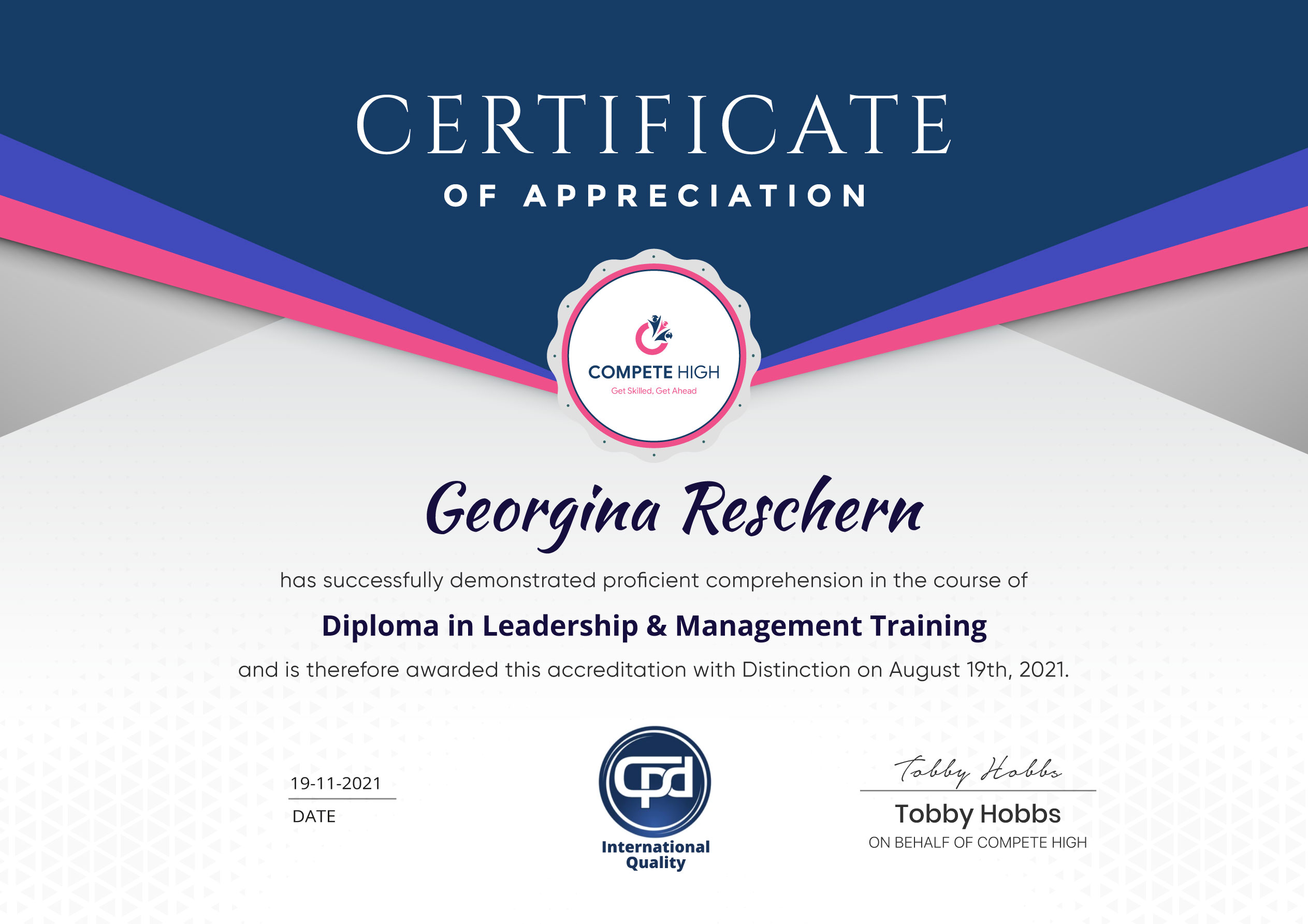
A3: Yes. All learners completing the course will receive a CPD-accredited certificate, recognising your achievement and enhancing your professional profile.
Q4: Is this course suitable for professional development?
A4: Absolutely. The course content is designed to benefit students, educators, researchers, and professionals in STEM fields seeking to deepen their understanding of cosmology.
Q5: How long will I have access to the course materials?
A5: Learners enjoy lifetime access, allowing you to study at your own pace and revisit modules whenever needed.
Q6: Are there any interactive components?
A6: Yes. The course includes Q&A sessions, discussion forums, and practical exercises to help learners engage actively with the material.
Q7: How does this course differ from other astrophysics courses?
A7: Unlike general astronomy courses, “Dark Matter and Dark Energy – Mysteries of the Universe” focuses specifically on the invisible majority of the universe. It combines theoretical understanding, observational techniques, and current research insights, making it uniquely comprehensive.
Conclusion
The universe is full of mysteries waiting to be unraveled, and the enigmatic forces of dark matter and dark energy stand at the forefront of modern cosmology. “Dark Matter and Dark Energy – Mysteries of the Universe” offers a once-in-a-lifetime opportunity to explore these cosmic phenomena in depth.
From foundational concepts to cutting-edge research, from detection techniques to future explorations, this course equips learners with the knowledge, tools, and confidence to understand one of science’s most profound mysteries. Whether you are pursuing a career in astrophysics, seeking professional development, or simply have a passion for exploring the universe, this course is your gateway to the unseen cosmos.
Step into the world of the invisible, explore the unknown, and unravel the greatest mysteries of our universe with “Dark Matter and Dark Energy – Mysteries of the Universe”. The universe is waiting—are you ready to uncover its secrets?
Extra Included :
Accredited Certificate Available
Unlimited Access and Retakes
Free Enrollment Letter Included
CPD International Quality Accredited
Meets UK & EU legal requirements
Instant e-certificate and eligibility of ordering hardcopy
Developed by Industry Experts
Learn anytime from anywhere
Use any internet-connected device
24/7 Live Support
Discounts on bulk purchases
Certification
Perfect for showcasing your skills, boosting your career, and enhancing your professional profile.
Choose the format that works best for you:
-
PDF Certificate (£9.99) – Download instantly to add to your portfolio, résumé, LinkedIn, or share on social media.
-
Printed Hard Copy (£29.99) – A beautifully designed certificate delivered to your door, ready to proudly display in your office or home.
-
Both PDF & Printed Hard Copy (£31.99) – Get the best of both worlds!
Course Contents
Course Content
Dark Matter and Dark Energy – Mysteries of the Universe
-
Module 1 Introduction to Cosmology and the Universe
00:00 -
Module 2 The Evidence for Dark Matter
00:00 -
Module 3 The Nature and Candidates of Dark Matter
00:00 -
Module 4 Detecting Dark Matter
00:00 -
Module 5 The Discovery and Evidence for Dark Energy
00:00 -
Module 6 Theories and Models of Dark Energy
00:00 -
Module 7 The Interplay Between Dark Matter and Dark Energy
00:00 -
Module 8 Tools and Techniques in Observational Cosmology
00:00 -
Module 9 Current Debates and Unsolved Problems
00:00 -
Module 10 The Future of Cosmology and UK Research Contributions
00:00
Student Ratings & Reviews




Excellent
4.78 Average 173 Reviews
The courses are informative, easy to follow, and offer a wide range of topics to choose from.
The staff are incredibly friendly and responsive. I'm looking forward to returning for another course!
Thank you! I truly enjoyed my learning experience and found it to be both enriching and rewarding.
An incredibly straightforward course to follow, offering great insight into the subject. Many thanks.
All the courses are easily accessible, straightforward to understand, and highly informative.